VITAEVIDENCE GUIDES
Evidence-based guides for everyday health decisions.
Practical reading on supplements, vitamins, nutrition, sleep, and exercise—built around what the evidence can and cannot tell you.
Use the topics below to find a focused guide. Each article identifies its sources, explains important limits, and includes practical questions to consider before making a health decision.
All guides
-
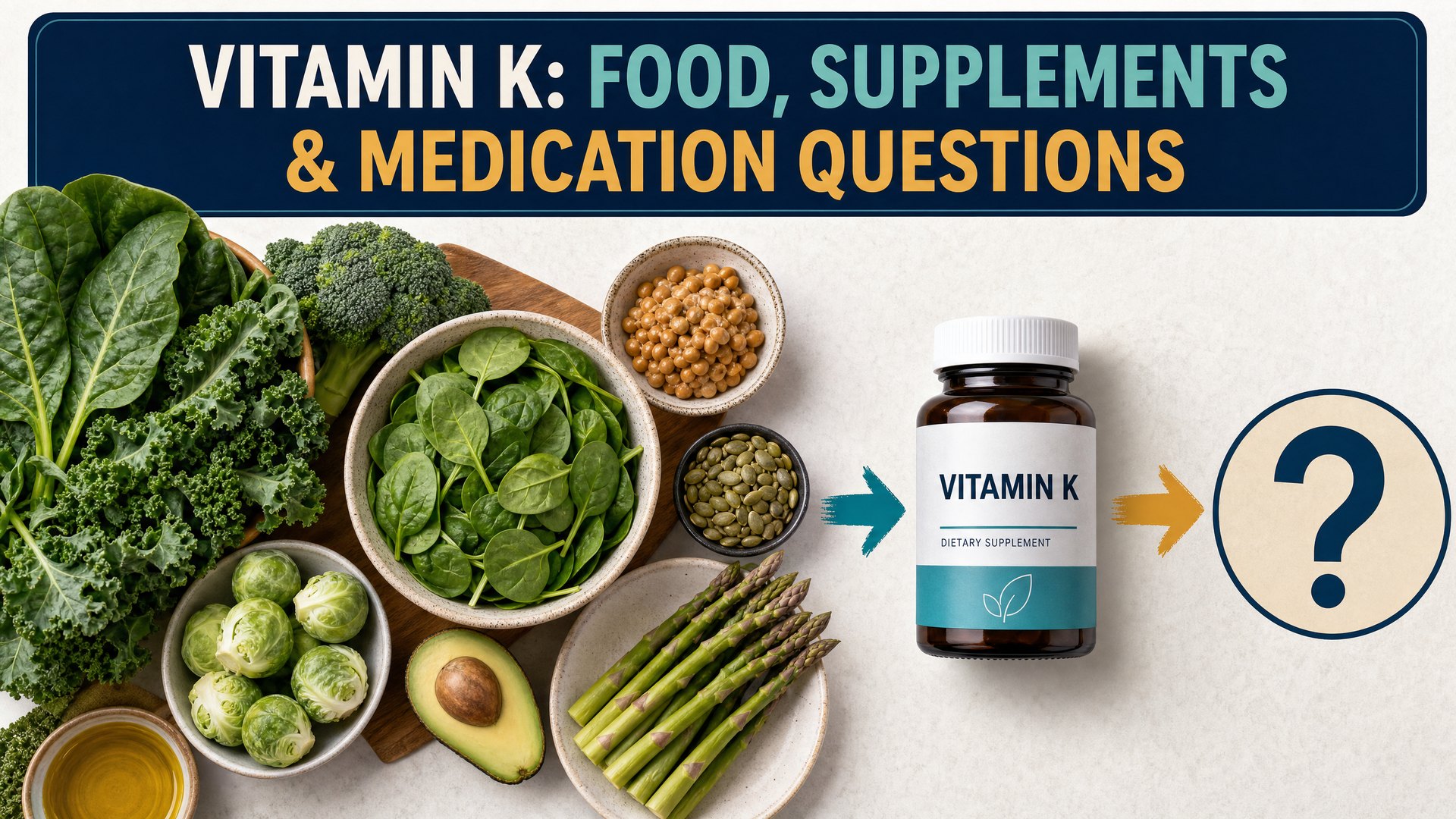
Vitamin K: Food Sources, Supplements, and Why Medication Questions Matter
Vitamin K helps blood clot and supports bone health. It’s in leafy greens and some fermented foods. If you take blood thinners or other medicines,… Read guide →
-
Ashwagandha Supplements: Uses, Evidence Limits, Interactions, and Safety Questions
Ashwagandha is a popular herbal supplement often marketed for stress, sleep, and energy. This article summarizes what official U.S. health agencies say about evidence, regulation,… Read guide →
-
Ferritin vs. Hemoglobin: What These Iron Blood Tests Can and Cannot Show
Ferritin and hemoglobin are common blood tests related to iron. This article explains what each test shows, their limits, common causes of abnormal results, and… Read guide →
-
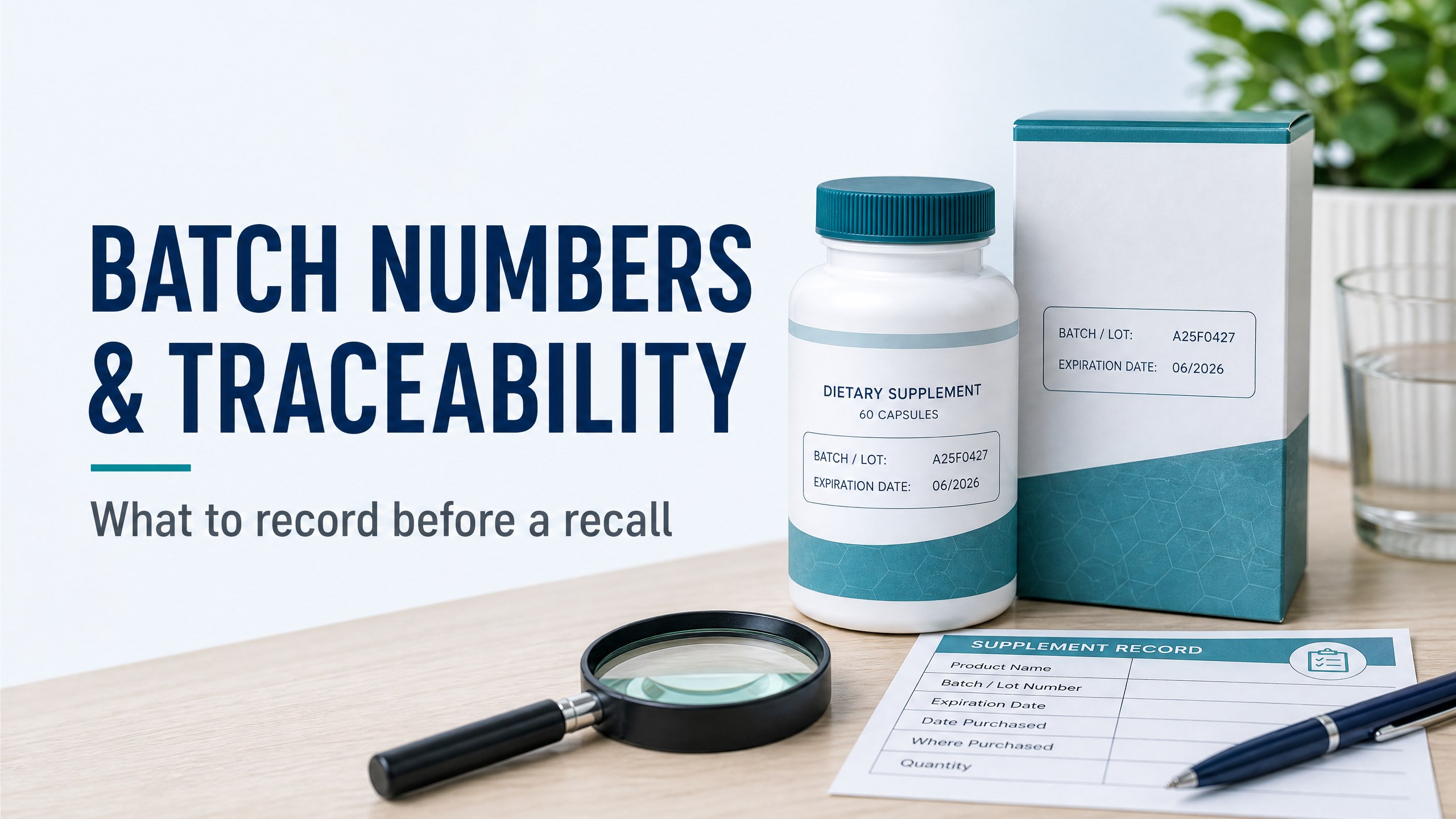
Batch Numbers, Expiration Dates, and Product Traceability
Category: Consumer Protection and Product Verification Evidence snapshot — reviewed August 2026 Lot numbers and expiration dates are useful for identifying a product and a… Read guide →
-
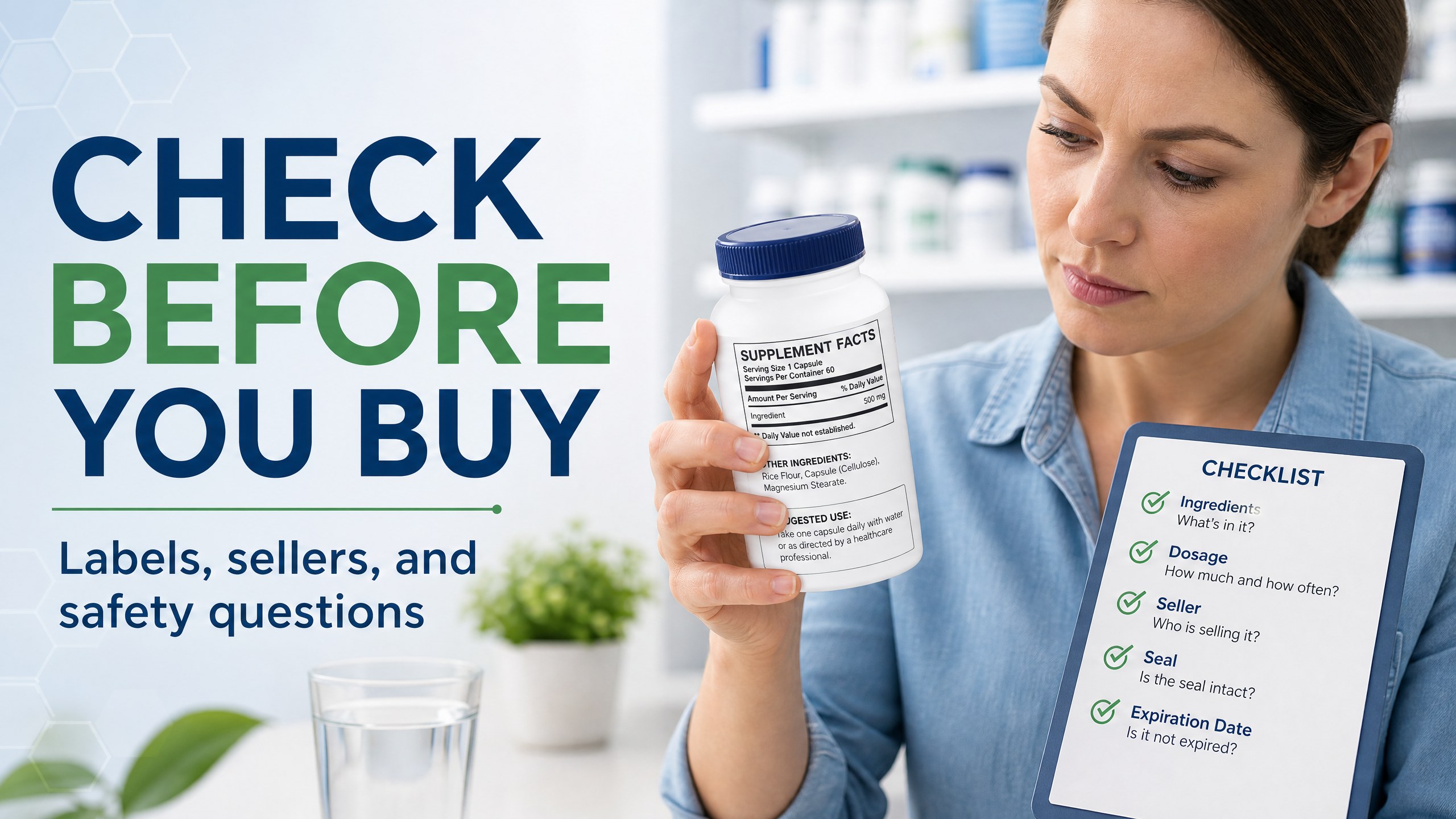
How to Check a Supplement Before You Buy It
Category: Supplement Safety Basics Evidence snapshot — reviewed August 2026 Checking a supplement can reduce avoidable uncertainty, but no label, review, seal, or database search… Read guide →
-
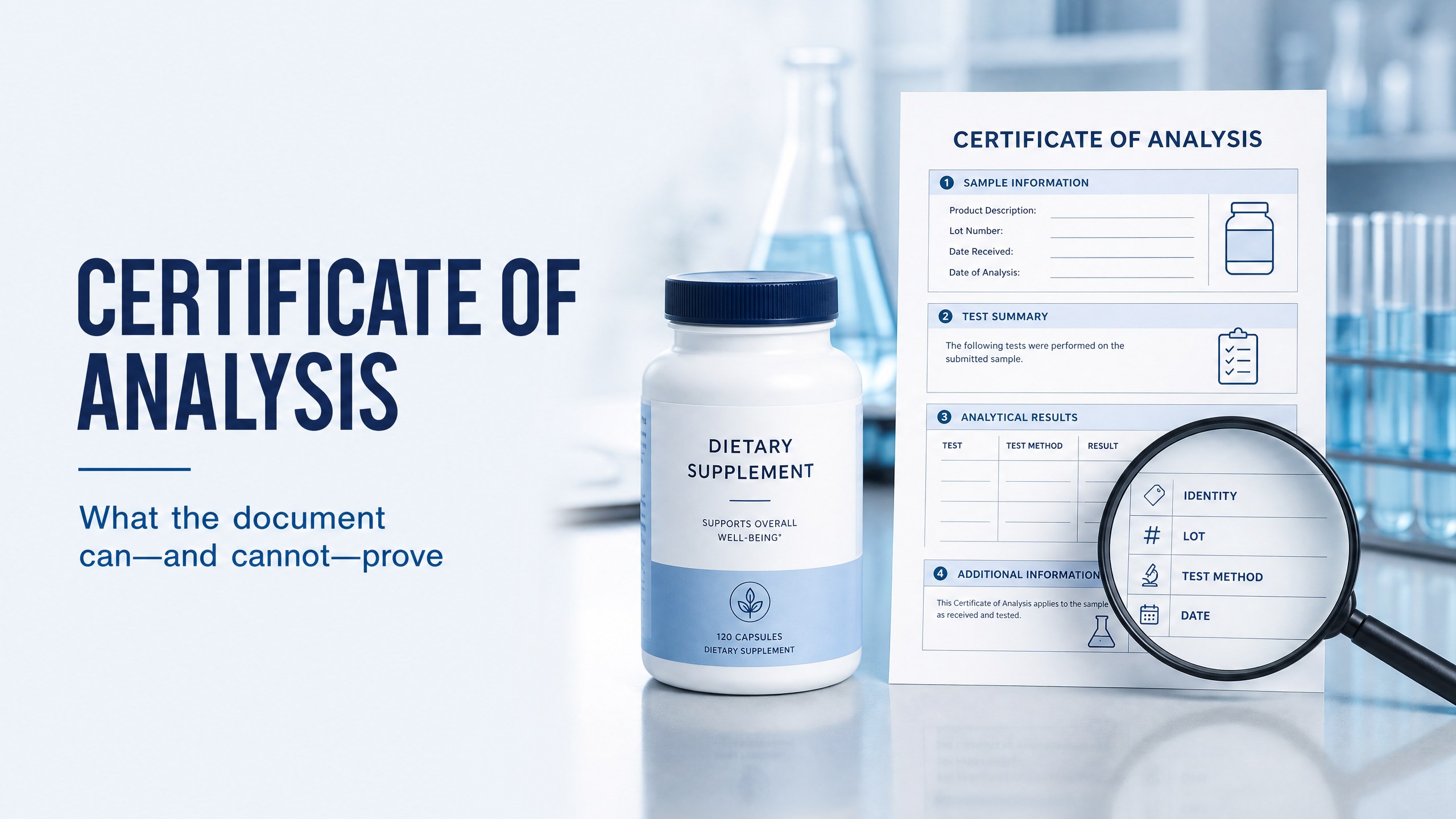
Certificate of Analysis for Supplements: How to Read One Carefully
Category: Consumer Protection and Product Verification Evidence snapshot — reviewed August 2026 A Certificate of Analysis can document testing performed on a particular sample or… Read guide →
-
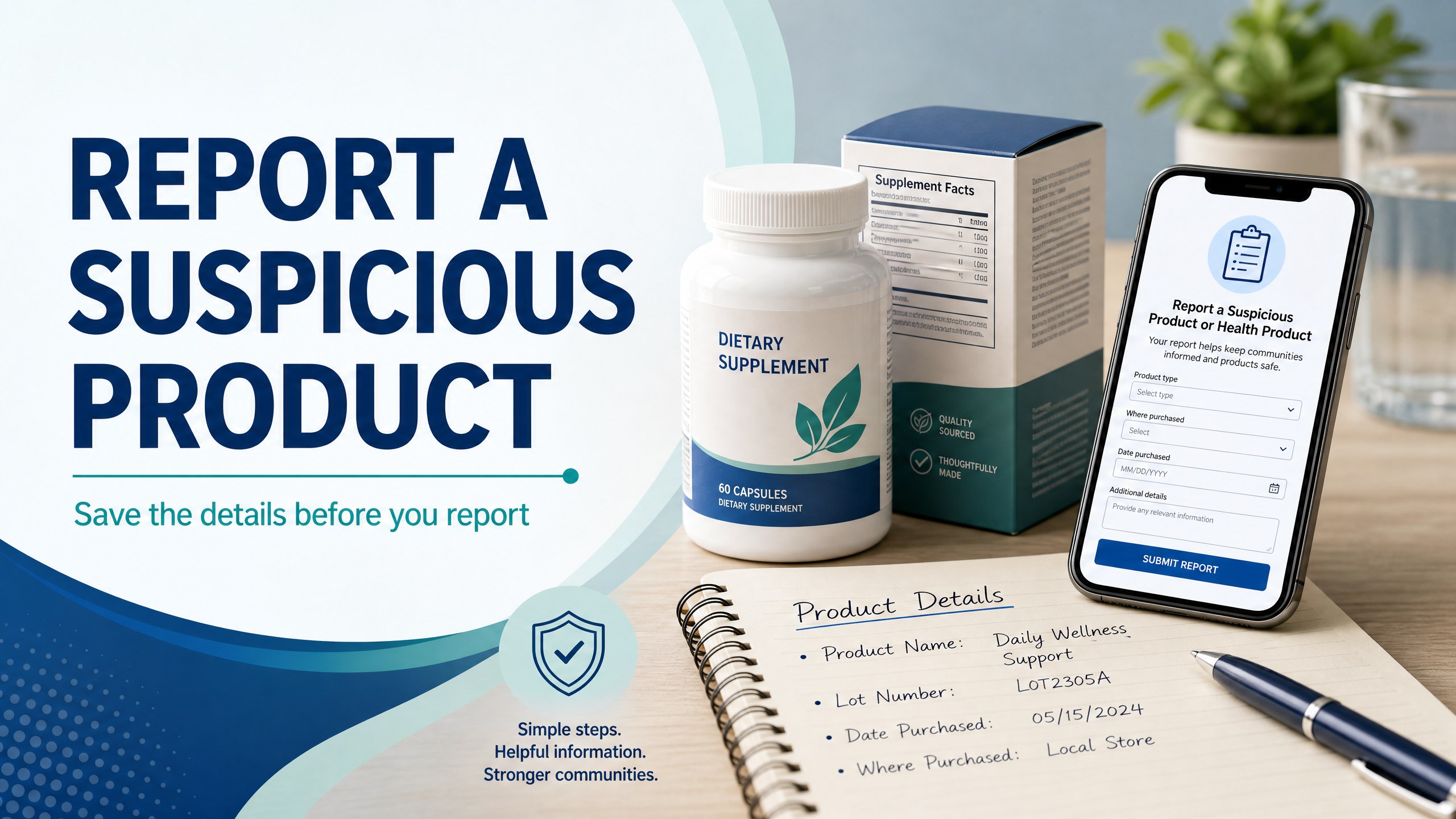
How to Report a Suspicious Supplement or Health Product
Category: Supplement Safety Basics Key takeaways If a dietary supplement or health product seems unsafe, adulterated (contains hidden drug ingredients), mislabeled, or makes questionable health… Read guide →
-
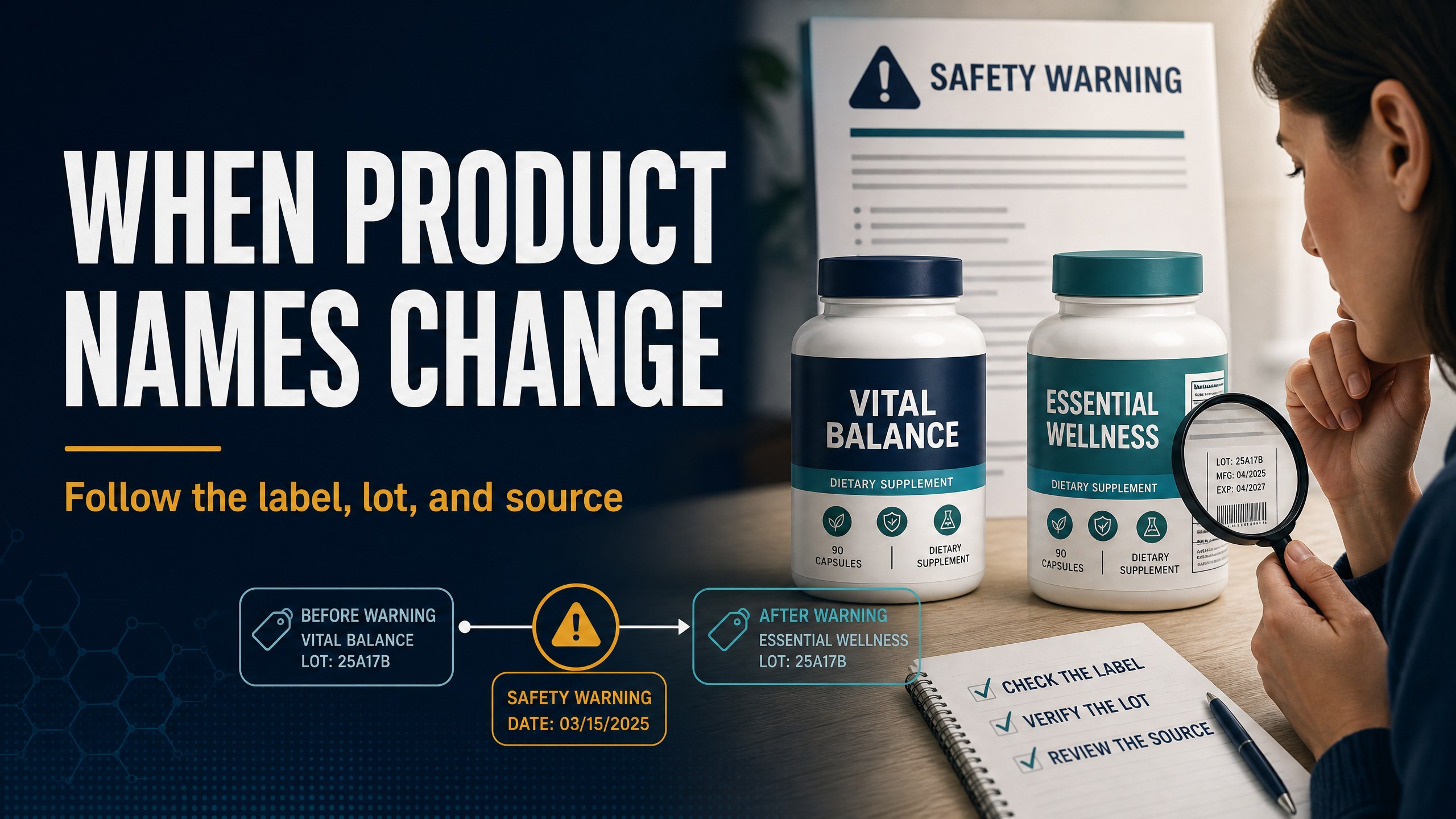
How Product Names Change After a Safety Warning
Category: FDA Warnings and Safety Updates When the U.S. Food and Drug Administration (FDA) or other authorities identify a safety problem with a marketed product,… Read guide →
-
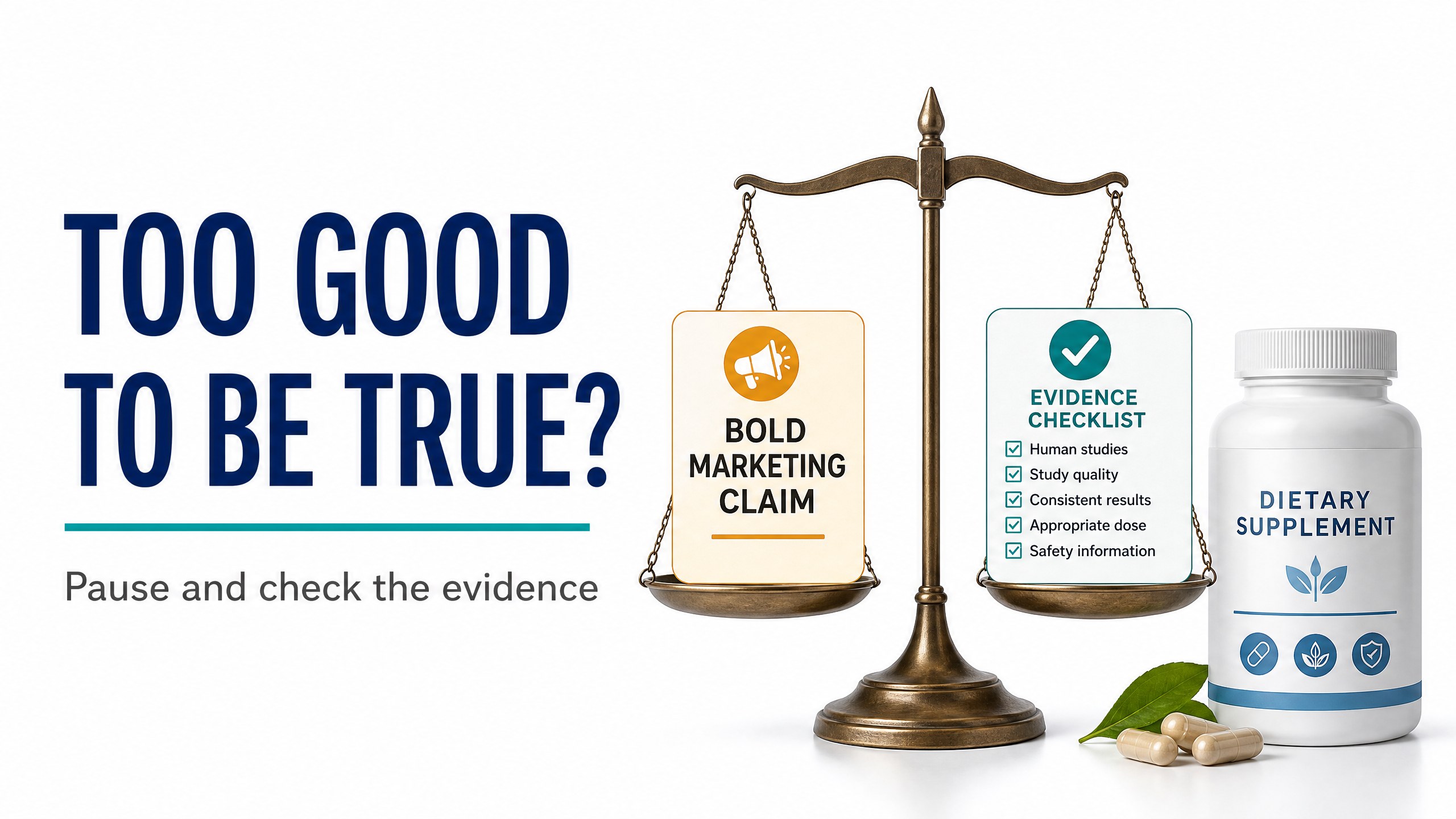
Health Supplements With “Too Good to Be True” Claims
Category: Consumer Protection and Product Verification Evidence snapshot — reviewed August 2026 A dramatic promise is a reason to pause and verify—not proof that a… Read guide →
-
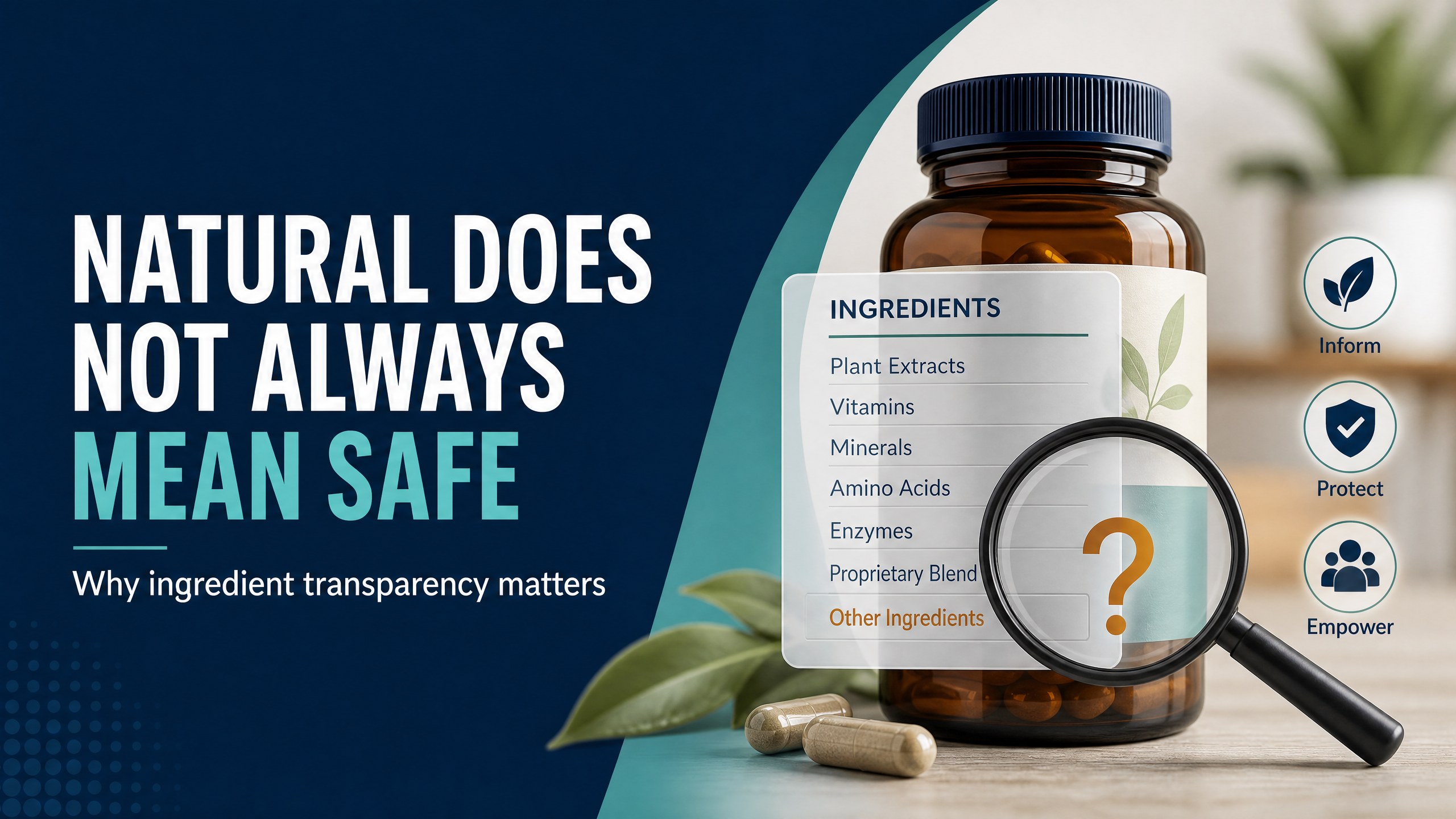
Hidden Ingredients in Dietary Supplements: Why “Natural” Does Not Always Mean Safe
Category: Consumer Protection and Product Verification Evidence snapshot — reviewed August 2026 “Natural” or “herbal” is a marketing or ingredient description, not proof that a… Read guide →
-
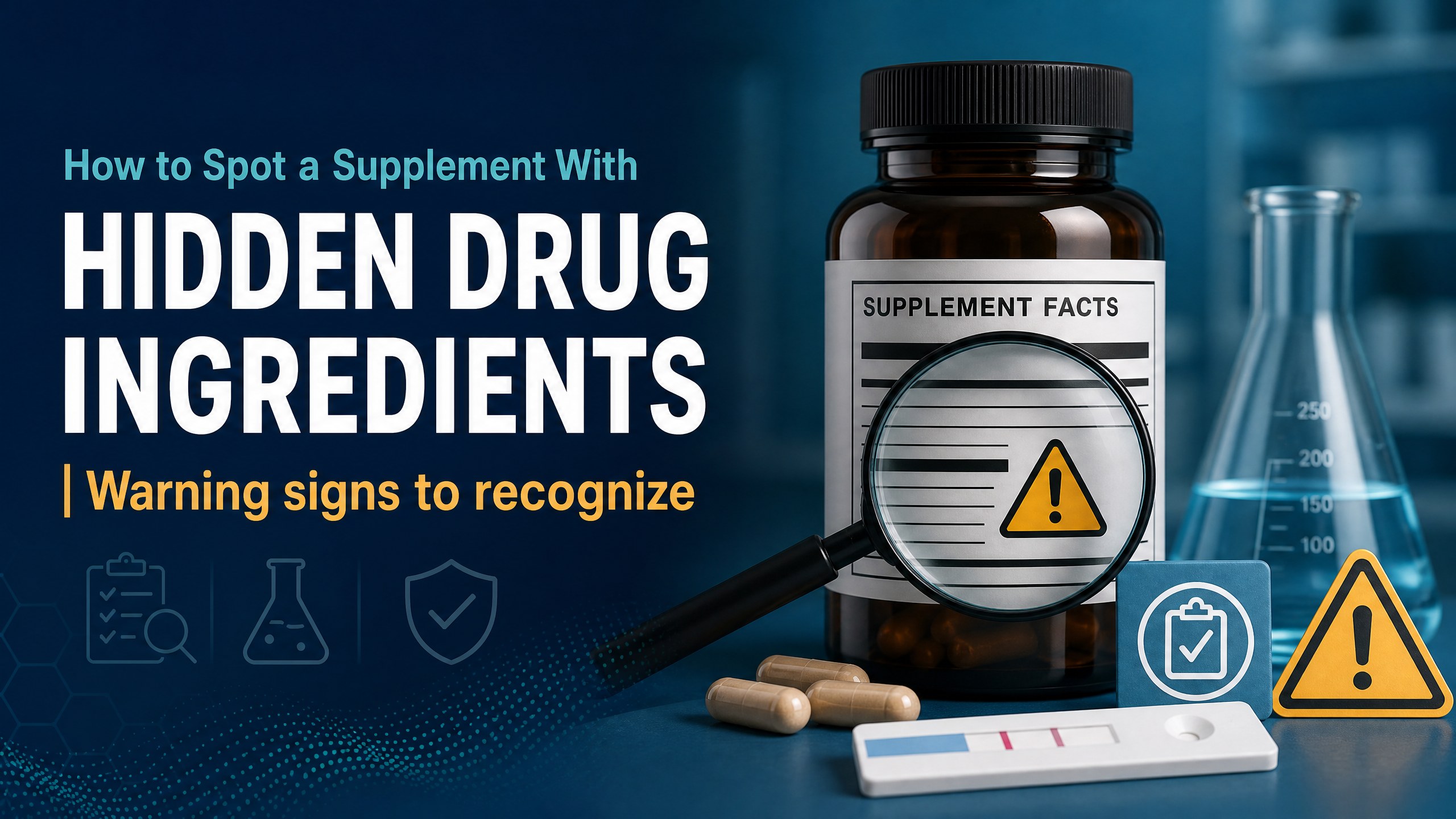
How to Spot a Supplement With Hidden Drug Ingredients
Category: Supplement Safety Basics Key takeaways “Hidden drug ingredients” are undeclared pharmaceutical compounds found in some products labeled as dietary supplements or natural remedies. They… Read guide →
-
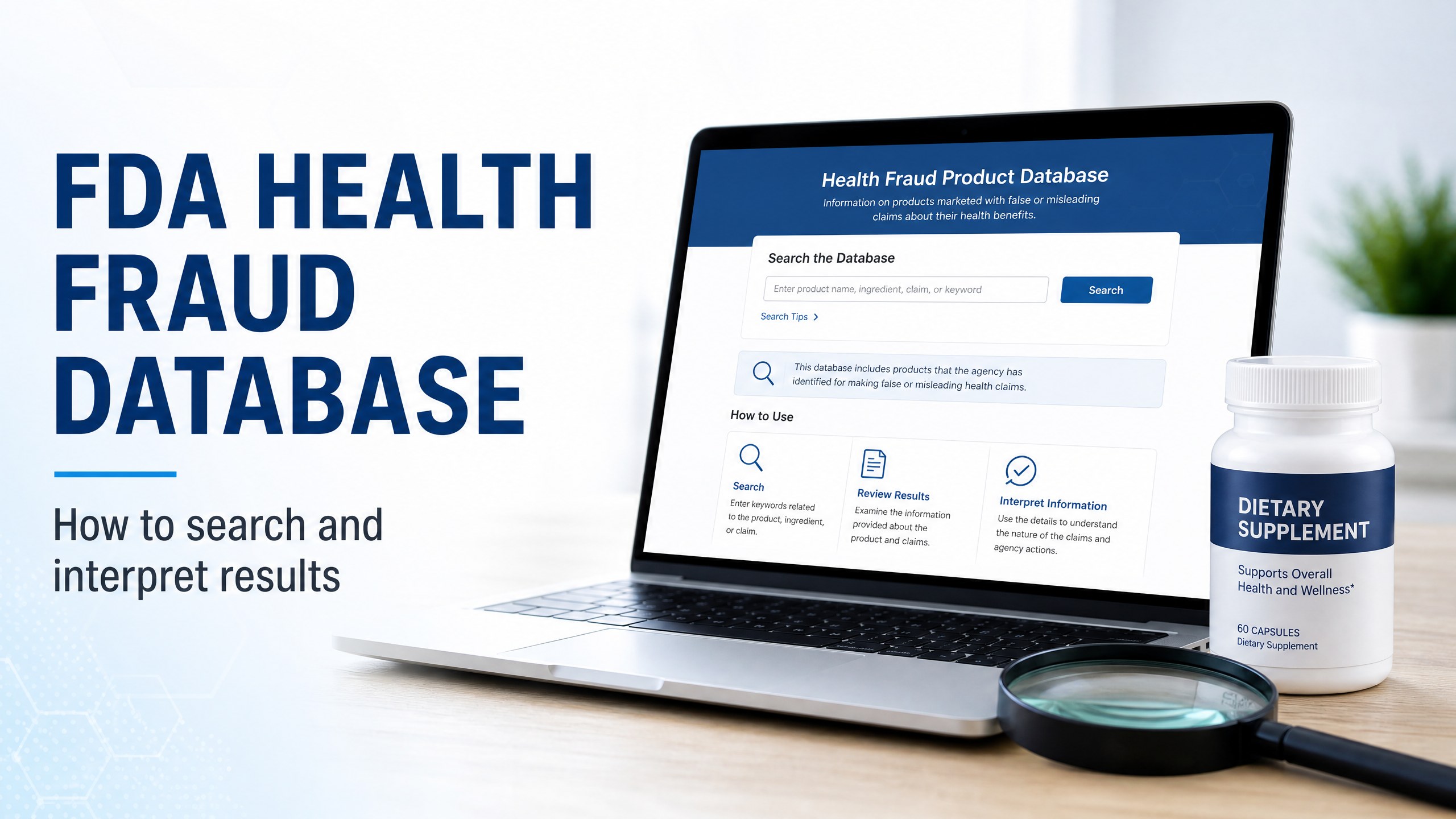
FDA Health Fraud Product Database: How to Use It
Category: FDA Warnings and Safety Updates Consumers finding dietary supplements, “natural” remedies, weight‑loss aids, sexual‑enhancement or energy products online may encounter claims that sound too… Read guide →