In this guide
- Key takeaways
- Why checking matters
- What to check before you buy
- 1. Read the product label
- 2. Verify the product and company
- 3. Check FDA and FTC resources
- 4. Research ingredients and interactions
- 5. Consider your risk factors
- 6. Compare price vs. evidence
- 7. Keep records and check the product after purchase
- Quick checklist table
- How to check for hidden or tainted ingredients
- What to do if a supplement causes harm or seems suspicious
- Limitations and realistic expectations
- When to talk with a clinician
- Short safety disclaimer
- References
- Related VitaEvidence reading
Category: Supplement Safety Basics
Key takeaways
- The FDA does not preapprove dietary supplements for safety or effectiveness; responsibility for safety starts with the manufacturer, and regulators act after problems are reported. (See the FDA dietary supplements overview.)
- Before buying, read the label carefully, verify the product and company, and search official FDA and FTC resources for warnings or enforcement actions.
- Look up ingredients that may interact with medications or medical conditions, and talk with a clinician when in doubt — especially if you are pregnant, breastfeeding, older, or taking prescription medicines.
- If you suspect a supplement is contaminated, contains hidden drugs, or causes harm, stop use and report it to the FDA. (See FDA reporting contact info and health fraud database.)
Why checking matters
Dietary supplements can contain vitamins, minerals, botanicals, amino acids, and other ingredients sold as capsules, powders, gummies, or liquids. Unlike prescription drugs, dietary supplements are not reviewed and approved by the FDA for safety and effectiveness before they are sold. The FDA provides guidance and enforces the law when products are unsafe, mislabeled, or contain hidden drugs, but many problems are discovered after products reach consumers. For consumer-facing explanations of how supplements are regulated, see the FDA dietary supplements overview and questions and answers pages.
What to check before you buy
Follow these practical steps to evaluate a supplement before purchase.
1. Read the product label
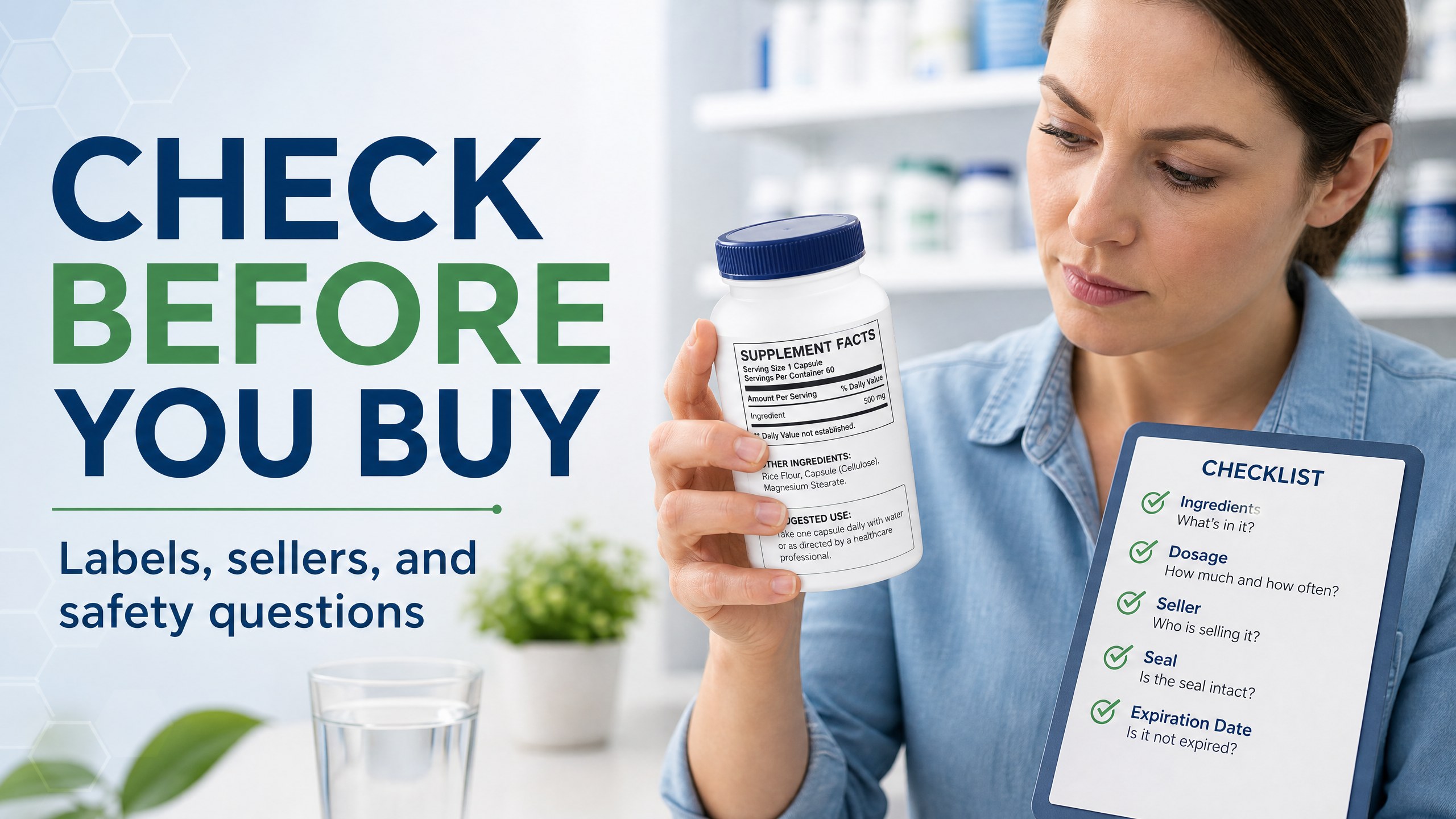
- Look at the Supplement Facts panel (serving size, ingredients, amount per serving, % Daily Value) and the full ingredient list for “other ingredients.” If you’re unsure how to read the label, see our guide: /how-to-read-supplement-facts-label/.
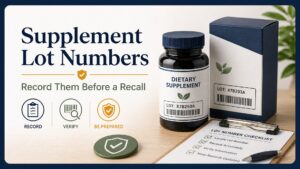
- Check for a manufacturer or distributor name and contact information and a lot/lot number or expiration date. Legitimate companies should provide a way to contact them.
- Note claims on the front of the package. Statements such as “treats,” “prevents,” or “cures” a disease suggest the product is being promoted as a drug — and that can be illegal for a supplement. For guidance on advertising and health claims, see the FTC health-products guidance.
2. Verify the product and company
- Search the product name and manufacturer online, then add terms like “FDA,” “tainted,” or “warning” to find official notices quickly.
- Look for an official company website and clear contact details. Be cautious if the label only gives a PO box or a third-party seller’s information.
- Remember: third-party testing seals (e.g., USP, NSF) indicate testing by an independent lab but are not FDA approval. Check with the certifying organization about what the seal covers.
3. Check FDA and FTC resources
- Use the FDA health fraud product database and the FDA medication health fraud notifications pages to search for the product or similar products. The FDA has issued notices about supplements that were found to contain hidden active drug ingredients; some honey-based products and other supplements have been identified in these actions. See FDA information on hidden ingredients and the tainted honey-based products page for examples.
- Review the FDA’s sexual enhancement and energy product notifications if the product is marketed for those uses; these categories are frequently associated with hidden drug ingredients.
- The FTC provides resources on truthful advertising and what to expect from health-product claims.
4. Research ingredients and interactions
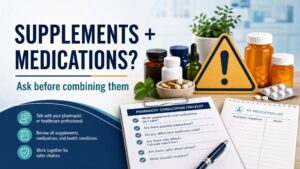
- Look up each active ingredient, including botanical names, to check for safety issues, typical dosing, and potential interactions with medicines or medical conditions. If you are taking prescription drugs, consult your clinician or pharmacist for interactions; see our supplements and medication interactions resource: /supplements-medication-interactions-questions/.
- Be especially cautious with products that contain multiple herbal ingredients, stimulants, or high-dose vitamins/minerals.
5. Consider your risk factors
- Talk to a clinician before trying supplements if you are pregnant, breastfeeding, trying to conceive, have a chronic medical condition, are older, or are scheduled for surgery. If you are on blood thinners, blood pressure medicines, or other chronic therapies, many supplements can interact.
- For certain nutrients (for example, vitamin D or magnesium), some people may benefit from supplements — but need individualized advice on dose and form. See our related pages on magnesium forms and vitamin D for context: /magnesium-supplements-forms-uses-safety/ and /vitamin-d-supplements-who-may-need-them/.
6. Compare price vs. evidence
- High price does not guarantee safety or effectiveness. Evaluate the ingredient list and the evidence supporting the ingredient for the claimed use. The FTC and FDA both warn against products making implausible disease-related claims.
7. Keep records and check the product after purchase
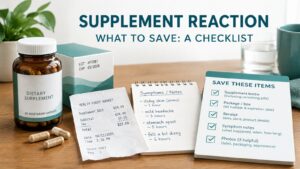
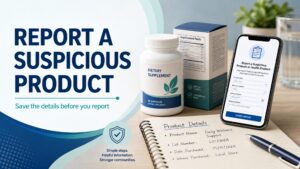
- Save the label or take a photo of the Supplement Facts panel, lot number, and expiration date. If you experience an adverse reaction, that information will be helpful when reporting the product or seeking care.
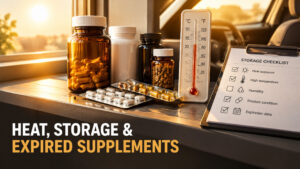
- Inspect for unusual appearance, smell, or taste before use; if anything seems off, do not take it.
Quick checklist table
| What to check | Why it matters | What to do if missing or concerning |
|---|---|---|
| Supplement Facts panel | Shows active ingredients and amounts | Avoid or consult clinician if unclear |
| Manufacturer contact & lot/expiry | Needed for recalls or reports | Search FDA database; consider not using |
| Claims such as “treats/cures” disease | May be an illegal drug claim | Check FTC/FDA notices; be skeptical |
| Third-party testing seal | May indicate independent testing | Verify what the seal covers with certifier |
| Ingredients that interact with meds | Risk of adverse interactions | Talk to clinician or pharmacist |
| Any FDA warnings for the product | Could indicate contamination/hidden drugs | Stop use; follow FDA instructions |
How to check for hidden or tainted ingredients
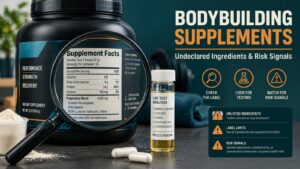
The FDA has found that some dietary supplements (including honey-based products and others) were adulterated with hidden active drug ingredients that can be harmful. The FDA’s “avoiding products contaminated with hidden ingredients” guidance explains how manufacturers sometimes add unlisted drugs to make a product appear effective, and it lists ways the FDA notifies the public. Use the FDA health fraud product database and medication health fraud notifications pages to search specific product names or ingredients. Do not assume that because one brand was flagged every similar product is unsafe; check each product, lot, and brand individually.
What to do if a supplement causes harm or seems suspicious
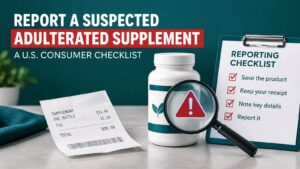
- Stop taking the product immediately.
- Seek medical attention if you have severe symptoms (difficulty breathing, chest pain, fainting, severe allergic reaction, sudden worsening of chronic conditions).
- Report the product and your reaction to the FDA; the FDA provides ways for consumers to contact the agency about human drugs and suspicious products. Reporting helps the FDA identify problems and take action.
- If the product was purchased from an online marketplace, save order records and any product packaging.
Limitations and realistic expectations
- The FDA’s regulatory model for supplements differs from drugs: manufacturers are primarily responsible for product safety before marketing, and the FDA takes action after problems are identified. That means the absence of an FDA warning does not guarantee a product is safe.
- Third-party testing seals vary in what they cover (potency, contaminants, identity). A seal is informative but not an absolute guarantee.
- Online reviews and anecdotal testimonials are not reliable evidence of safety or effectiveness.
When to talk with a clinician
Contact your clinician or a pharmacist before starting a supplement if you:
– Are pregnant, breastfeeding, trying to conceive, or planning to become pregnant.
– Are under 18 or over 65.
– Have chronic health conditions (heart disease, diabetes, liver or kidney disease).
– Are taking prescription medications, especially blood thinners, antiplatelet drugs, blood pressure, diabetes, or psychiatric medications.
– Are scheduled for surgery (some supplements affect bleeding or anesthesia).
If you have an adverse reaction, seek immediate medical attention.
Short safety disclaimer
This article is educational and not medical advice. It does not diagnose conditions or recommend treatment. Discuss supplement use with a qualified health professional who knows your medical history and current medications.
References
- https://www.fda.gov/drugs/medication-health-fraud/avoiding-products-contaminated-hidden-ingredients
- https://www.fda.gov/consumers/health-fraud-scams/tainted-honey-based-products-hidden-active-drug-ingredients
- https://www.fda.gov/consumers/health-fraud-scams/health-fraud-product-database
- https://www.fda.gov/food/dietary-supplements
- https://www.fda.gov/food/information-consumers-using-dietary-supplements/questions-and-answers-dietary-supplements
- https://www.fda.gov/food/dietary-supplements-guidance-documents-regulatory-information/dietary-supplement-labeling-guide
- https://www.fda.gov/drugs/medication-health-fraud-notifications/sexual-enhancement-and-energy-product-notifications
- https://www.fda.gov/drugs/medication-health-fraud/medication-health-fraud-notifications
- https://www.ftc.gov/news-events/topics/truth-advertising/health-claims
- https://www.ftc.gov/business-guidance/resources/health-products-compliance-guidance
- https://www.fda.gov/about-fda/cder-contact-information/ways-consumers-contact-fda-about-human-drugs
Last reviewed: August 2026
VitaEvidence Editorial Team