In this guide
- Key takeaways
- Introduction
- What a Certificate of Analysis (COA) typically includes
- How to read a COA — step-by-step checklist
- Red flags and common limitations
- How to verify a COA’s authenticity
- Practical consumer tips
- When to contact a clinician
- Reporting suspicious or harmful products
- Safety disclaimer
- Safety disclaimer
- References
- Related VitaEvidence reading
Category: Consumer Protection and Product Verification
Key takeaways
- A Certificate of Analysis (COA) is a lab report that documents testing of a specific batch or sample of a supplement. It can help confirm identity, potency, and contaminants, but it is not a guarantee of safety or effectiveness.
- Look for a clear match between the COA and the product’s lot/batch number, testing methods, numeric results with units, and contact information for the issuing laboratory.
- COAs can be forged or incomplete. If something looks off, verify the lab independently, check FDA resources for known tainted products, and report suspicious products to the FDA.
Introduction
Manufacturers, retailers, and some third-party testers publish Certificates of Analysis (COAs) for dietary supplements to show what laboratory testing was done on a sample. A COA can be a useful piece of evidence when you’re trying to decide whether a product has been tested for identity, potency, and contaminants. But COAs vary widely in clarity and quality, and they do not replace regulatory oversight or clinical advice.
In the U.S., dietary supplements are regulated as foods, not drugs. The Food and Drug Administration (FDA) does not approve supplements before they go to market, and consumers should be cautious about claims that sound therapeutic or miraculous. The FDA provides guidance on dietary supplements and on avoiding products contaminated with hidden ingredients; it also maintains lists and notifications about tainted products (see References).
What a Certificate of Analysis (COA) typically includes
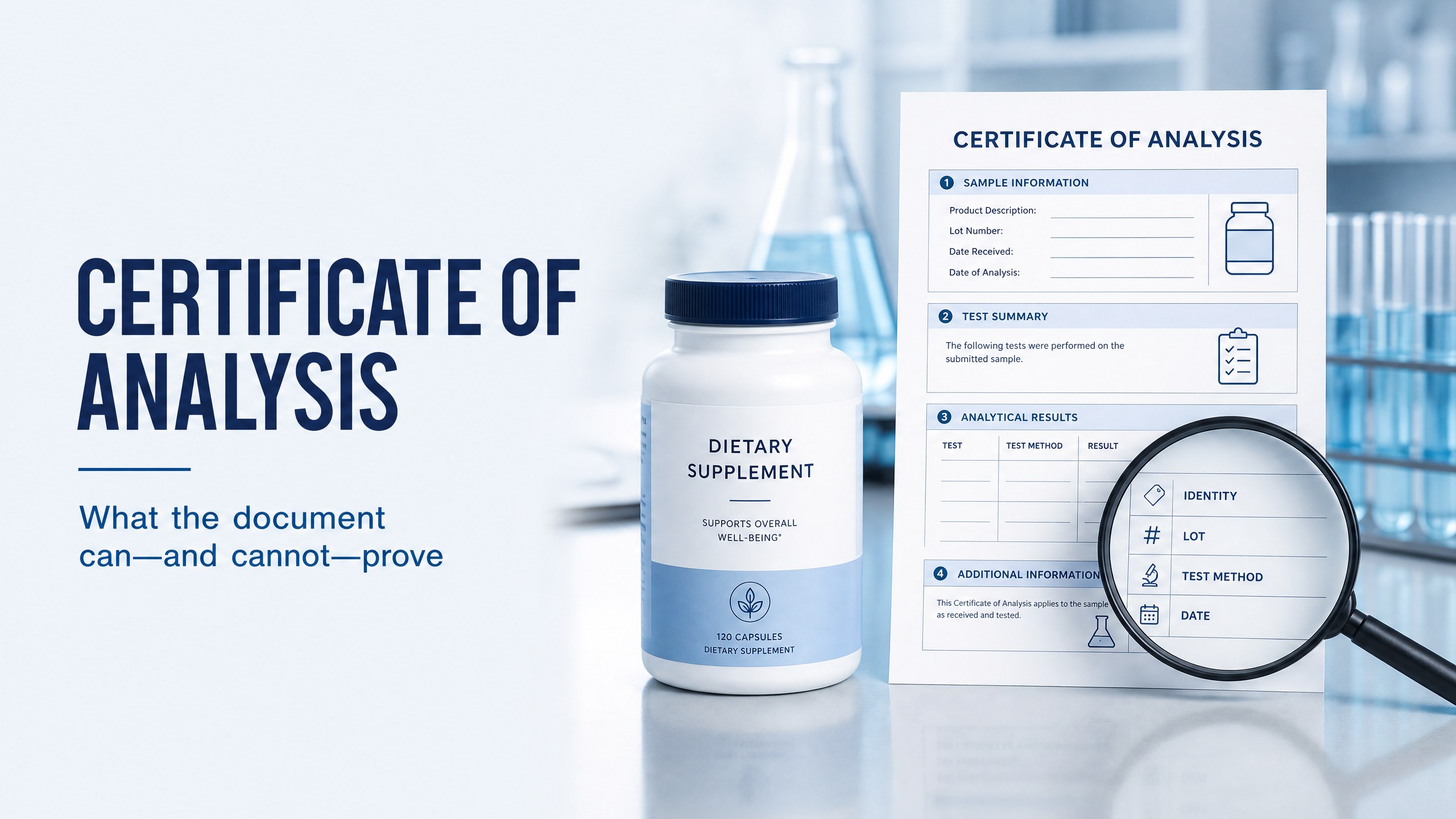
COAs vary, but the most useful ones usually include specific, verifiable elements. The table below shows common COA sections and what to look for.
| COA section | What it usually means | What to check for |
|---|---|---|
| Product identity/sample description | Describes the product tested (name, form: capsule/powder/liquid) | Does the description match the product you bought? |
| Lot/batch number and manufacturing or testing date | Connects the COA to a specific production run | Is the lot/batch number the same as on your product? Is the testing date recent? |
| Tests performed | Lists analytes or contaminants tested (e.g., active ingredient assay, heavy metals, microbes, pesticides) | Are the most relevant tests present for the product type? |
| Methods and units | Analytical methods (e.g., HPLC, GC) and units of measurement (mg, µg, CFU) | Are methods named and results reported with units? Vague wording is a red flag. |
| Results and acceptance criteria/specification | Numeric results and the laboratory’s pass/fail criteria | Are the results compared against specifications? Are units and decimal places clear? |
| Certificate issuer and laboratory contact | Laboratory name, address, phone, and sometimes accreditation or license | Is there a way to contact the lab to verify the report? |
| Sample chain of custody and signature | Documentation of who provided the sample and an authorized signature | Is there an official signature or digital verification and a sample source? |
| Date of report and expiry/stability | When the test was completed and sometimes shelf-life data | Is the COA recent and applicable to your product’s shelf life? |
How to read a COA — step-by-step checklist
-
Match product and lot number. A COA is only meaningful if it applies to the exact product and lot you have. Confirm the product name, form, and the lot or batch number match the label on your product.
-
Confirm the lab identity and contact info. The COA should list the laboratory that performed the testing and provide contact details. If no lab is listed or contact information is missing, treat the COA with caution.
-
Check what was tested. For many supplements, important tests include:
– Identity of the declared ingredient(s)
– Potency (assay of active ingredients)
– Contaminants (heavy metals, microbial limits, pesticides, residual solvents)
– For probiotics, viability (CFU) at a stated date
If key tests are missing for the product type, that’s a limitation. -
Review methods and units. A credible COA names the analytical methods used and reports numbers with clear units. Vague statements (“meets specification”) without numbers provide limited information.
-
Compare results to specifications. A helpful COA shows numeric results and the laboratory’s acceptance criteria. Look for clear pass/fail statements and margin-of-error details if provided.
-
Note dates and sample handling. The COA should show the test date and, ideally, sample collection or chain-of-custody information that links the tested sample to the manufacturer’s lot.
-
Look for signatures or verification. Authorized signatory names, a laboratory stamp, or a QR/digital verification link increase credibility—but these can still be forged, so verification is prudent.
Red flags and common limitations
- The COA is not specific to your lot: it lists a product name but no batch or lot number.
- No lab contact information or an unverifiable lab name.
- Tests are missing for likely contaminants (for example, heavy metals or microbes for plant-based powders).
- Results are reported only qualitatively (e.g., “acceptable”) with no numeric data or units.
- The COA claims to come from a “third party” but the lab is owned or controlled by the manufacturer without disclosure.
- The COA uses very small sample sizes or doesn’t state how the sample was obtained.
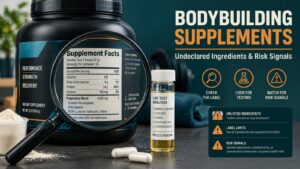
- A product category has known issues with hidden or adulterated ingredients (for example, the FDA has repeatedly found hidden drug ingredients in some sexual enhancement, weight‑loss, and energy products); a COA that omits testing for such adulterants should raise concern. However, avoid generalizing a warning about one product or batch to every product with a similar name—follow what the COA actually covers.
How to verify a COA’s authenticity
- Contact the laboratory directly using independent contact information (not just a phone number printed on the COA). Ask whether they issued the COA and whether it applies to the lot/batch in question.
- Check FDA resources. The FDA’s health fraud product database and medication-health-fraud notifications list products found to contain hidden drug ingredients; these resources can help you identify known problematic products or manufacturers (see References).
- Review labeling and claims. The FDA’s dietary supplement and labeling guidance explains what manufacturers must disclose; be skeptical of claims that sound like treatments or cures, and consult the Federal Trade Commission’s guidance on health claims for advertising standards (References).
- If the COA includes a QR code or web verification link, use it—but still corroborate by contacting the lab or manufacturer when possible. Digital verification systems can be helpful but are not foolproof.
Practical consumer tips
- Ask for a batch-specific COA before you buy, especially for higher-risk categories (e.g., products making strong performance or weight-loss promises).
- Compare the COA to the Supplement Facts label and ingredient list. If COA results don’t match the label, ask the seller or manufacturer for clarification.
- Prefer COAs that report numeric assays and contaminant levels rather than only pass/fail language.
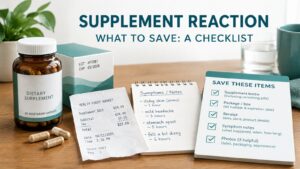
- Keep records (screenshots, PDFs) of the COA and the product label in case you need to report concerns.
- If you take prescription medicines or have health conditions, discuss new supplements with your clinician first. For questions about potential supplement–medication interactions, see our related guidance (/supplements-medication-interactions-questions/).
When to contact a clinician
Contact a clinician promptly if you experience unexpected symptoms after taking a supplement—especially signs of allergic reaction, severe gastrointestinal distress, cardiac symptoms (palpitations, chest pain), neurological symptoms, or anything that feels severe or rapidly worsening. If you are on prescription medications, consult your clinician before starting a new supplement to assess for possible interactions.
Reporting suspicious or harmful products
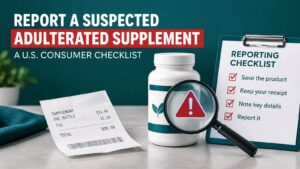
If you suspect a supplement contains hidden active drugs, is contaminated, mislabeled, or caused harm, report the product to the FDA. The FDA provides ways for consumers to contact its Center for Drug Evaluation and Research and maintains a health fraud database and product notifications (see References). Reporting helps regulators identify patterns of tainted or fraudulent products.
Safety disclaimer
This article is for educational purposes and does not constitute medical advice. A COA is one piece of information about a supplement and does not guarantee safety or effectiveness. For personalized medical advice, diagnosis, or treatment, consult a licensed healthcare professional.
Safety disclaimer
This article provides general information and is not medical advice. It is not a substitute for professional medical evaluation. If you have health concerns, consult a licensed clinician.
References
- https://www.fda.gov/drugs/medication-health-fraud/avoiding-products-contaminated-hidden-ingredients
- https://www.fda.gov/consumers/health-fraud-scams/tainted-honey-based-products-hidden-active-drug-ingredients
- https://www.fda.gov/consumers/health-fraud-scams/health-fraud-product-database
- https://www.fda.gov/food/dietary-supplements
- https://www.fda.gov/food/information-consumers-using-dietary-supplements/questions-and-answers-dietary-supplements
- https://www.fda.gov/food/dietary-supplements-guidance-documents-regulatory-information/dietary-supplement-labeling-guide
- https://www.fda.gov/drugs/medication-health-fraud-notifications/sexual-enhancement-and-energy-product-notifications
- https://www.fda.gov/drugs/medication-health-fraud/medication-health-fraud-notifications
- https://www.ftc.gov/news-events/topics/truth-advertising/health-claims
- https://www.ftc.gov/business-guidance/resources/health-products-compliance-guidance
- https://www.fda.gov/about-fda/cder-contact-information/ways-consumers-contact-fda-about-human-drugs
Last reviewed: August 2026
VitaEvidence Editorial Team