In this guide
- Key takeaways
- What the database is
- 2. Search by product name or keyword
- 3. Search by suspected ingredient
- 4. Use filters or sort options (when available)
- 5. Open individual entries for details
- 6. Follow links to supporting FDA notices
- Interpreting database entries
- Limitations — what the database does and does not do
- Other FDA resources that help interpret listings
- Practical steps after you find a product in the database
- When to contact a clinician
- How to report suspicious products or adverse events
- Safety and regulatory context
- Short safety disclaimer
- Final practical checklist
- Safety disclaimer
- References
- Related VitaEvidence reading
Category: FDA Warnings and Safety Updates
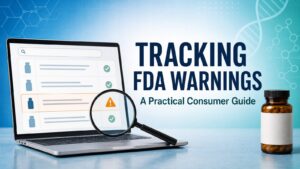
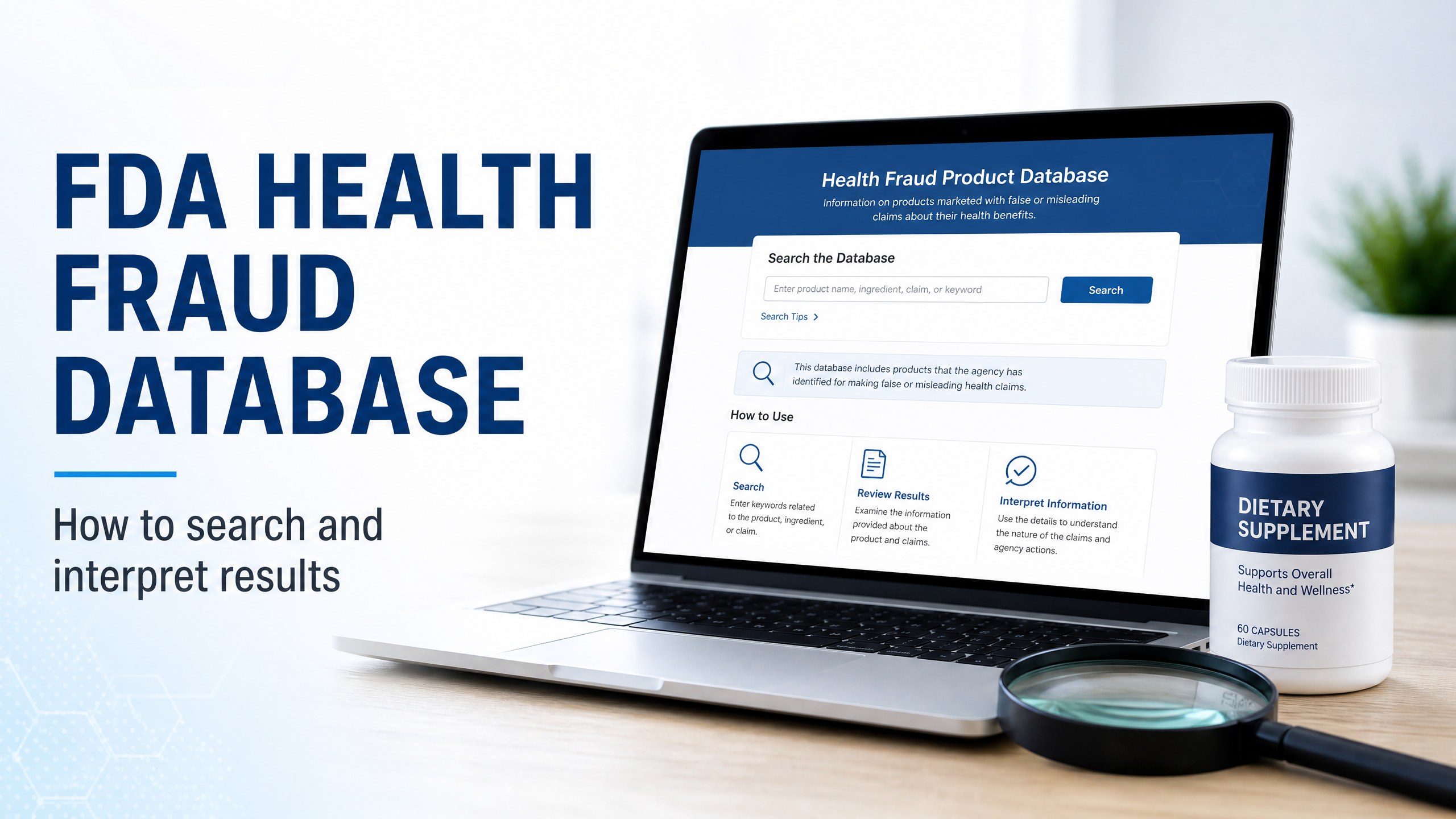
Consumers finding dietary supplements, “natural” remedies, weight‑loss aids, sexual‑enhancement or energy products online may encounter claims that sound too good to be true. The U.S. Food and Drug Administration (FDA) maintains a Health Fraud Product Database to help people check whether the agency has identified specific products as illegally marketed, tainted with hidden drug ingredients, or otherwise associated with health risks. This article explains what the database is, how to search it, how to interpret entries, its limitations, and what to do if you suspect a product is unsafe.
Key takeaways
- The FDA Health Fraud Product Database lists products the agency has identified as illegally marketed or containing hidden ingredients.
- You can search the database by product name, ingredient, or manufacturer and follow links in each entry for more detail.
- The database is a useful investigative tool but not exhaustive; absence from the database does not guarantee a product is safe.
- If you have symptoms after using a product or see a product making medical claims, report it to the FDA and contact a clinician if you are ill or unsure.
What the database is
- Purpose: The FDA Health Fraud Product Database compiles products that the agency has concluded are illegally marketed or pose public‑health concerns (for example, products with hidden active drug ingredients or unapproved claims). It is intended to inform the public and health professionals about specific products the FDA is addressing.
- Types of listings: Entries often include products sold as dietary supplements, sexual‑enhancement or energy products, topical or ingestible items marketed for medical conditions, and other consumer health products the FDA has reviewed for fraud or safety concerns.
How to use the database: step‑by‑step
1. Open the FDA Health Fraud Product Database page
– Start at the FDA’s Health Fraud Product Database page. The page provides the searchable list and links to notices and related FDA resources.
2. Search by product name or keyword
- Enter the exact product name if you have it. If the name is generic or you’re unsure of spelling, try broader keywords (for example, “slimming,” “honey,” “sexual enhancement,” or an ingredient name).
- Searching for the manufacturer or the online seller can also be helpful.
3. Search by suspected ingredient
- If you suspect a hidden drug ingredient (for example, a prescription erectile‑dysfunction drug, unapproved steroid, or stimulant), enter the ingredient name. The FDA often identifies specific hidden active ingredients in its notifications.
4. Use filters or sort options (when available)
- The database interface typically allows filtering or sorting to narrow results by product category or type of FDA action. Use those features to focus on the most relevant entries.
5. Open individual entries for details
- Click an entry to read the FDA’s explanation: why the product is listed, what the agency found (for example, presence of a hidden ingredient), and links to any related enforcement actions, warning letters, or consumer updates.
6. Follow links to supporting FDA notices
- Many database entries link to more detailed FDA notifications, press releases, or laboratory test results. Read those documents for the full context.
Interpreting database entries
- What you will typically see
- Product name and any brand variations the FDA examined
- The reason for the listing (e.g., contains hidden drug ingredients, illegally marketed with disease treatment claims)
- The specific hidden ingredient(s) identified, when applicable
- Links to supporting FDA notices or test reports
-
Any recommended actions for consumers (for example, stop use) or regulatory steps the agency is taking
-
How to read the findings
- FDA findings about a product are specific to the product tested or marketed under the names listed. An FDA notice about a particular brand or batch does not necessarily apply to all products with similar names or to different manufacturers.
- If an entry lists a hidden active drug ingredient, that indicates the FDA found a substance not declared on the product label. Such ingredients can interact with medicines and cause harm.
Useful at‑a‑glance table: typical fields you’ll find in a database entry
| Field shown in an FDA entry | What it means |
|---|---|
| Product name / brand variants | The names the FDA reviewed; other similarly named products may not be included |
| Reason for listing | Short description (e.g., “hidden active ingredients,” “illegal claims”) |
| Identified ingredient(s) | Any undeclared drug substances the FDA detected |
| Links to notices | Detailed FDA pages, lab reports, or warning letters |
| Consumer guidance | Steps consumers should take when exposed to the product |
Limitations — what the database does and does not do
- Not comprehensive: The database documents products the FDA has reviewed and chosen to publicize. It does not include every unsafe or fraudulent product on the market.
- Not a guarantee of safety: If a product is not in the database, that does not confirm it is safe or legal. Conversely, an FDA listing applies to the specific product names and formulations identified.
- Timing and updates: FDA testing and investigations take time. New findings may appear after a product has already been widely sold; likewise, older listings may remain while the agency continues its work.
Other FDA resources that help interpret listings
- Hidden ingredients guidance: The FDA has consumer guidance explaining the risks when products contain hidden active drug ingredients and how to avoid them.
- Dietary supplement information: The FDA’s pages on dietary supplements explain regulatory limits, labeling requirements, and what the FDA does and does not review before products reach market. For help reading labels, see our guide: /how-to-read-supplement-facts-label/.
- Product‑category notices: The FDA maintains separate communications for high‑risk product categories, such as sexual‑enhancement and energy products, and has issued targeted notifications in those categories.
Practical steps after you find a product in the database
- Stop using the product if the FDA recommends discontinuing its use.
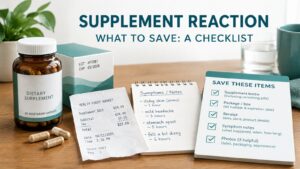
- Keep the product container, label, and any receipts or online order records—these details can help regulators or clinicians.
- If you have symptoms you think are related to the product (for example, chest pain, allergic reaction, or signs of liver injury), get medical care promptly and tell the clinician what you took.
- Report the product and any adverse effects to the FDA using the contact methods on the FDA site for reporting suspicious human drugs or adverse events.
When to contact a clinician
- Seek urgent medical care if you have severe symptoms (shortness of breath, fainting, chest pain, severe bleeding, signs of stroke, seizures).
- Contact your primary care clinician if you have new or unexplained symptoms after using a product in the database, or before starting any product that claims to treat a disease or replace prescribed medication.
- If you are taking prescription medicines, check for possible interactions; ask your clinician or pharmacist before using supplements. See our page on supplements and medication interactions: /supplements-medication-interactions-questions/.
How to report suspicious products or adverse events
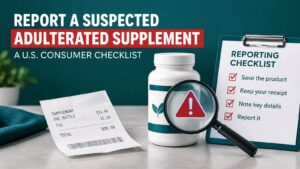
- Report product safety concerns, reports of hidden ingredients, or adverse events to the FDA. The agency provides contact options for consumers to report suspicious human drugs and related issues.
- For products marketed with questionable health claims, you may also consult Federal Trade Commission (FTC) guidance on truthful advertising and report deceptive advertising practices to the FTC.
Safety and regulatory context
- The FDA does not pre‑approve most dietary supplements before they are sold. Manufacturers are responsible for ensuring product safety and labeling accuracy, and the FDA acts when concerns arise.
- The FDA’s database and notifications are part of the agency’s effort to remove or warn about products that pose a risk, but consumers should remain cautious with products that make medical claims or promise quick fixes.
Short safety disclaimer
This article is educational and not a substitute for professional medical advice. If you have health concerns related to a product listed in the FDA Health Fraud Product Database, contact a clinician promptly.
Final practical checklist
- Search the FDA Health Fraud Product Database for the exact product name and ingredient terms.
- Read the FDA entry and linked notices carefully.
- Stop using products the FDA recommends avoiding, and save product packaging.
- Report adverse events or suspicious products to the FDA.
- Contact a clinician for medical symptoms or before starting products that claim to treat disease.
Safety disclaimer
This article provides general information and is not medical advice. It is not a substitute for professional medical evaluation. If you have health concerns, consult a licensed clinician.
References
- https://www.fda.gov/consumers/health-fraud-scams/health-fraud-product-database
- https://www.fda.gov/drugs/medication-health-fraud/avoiding-products-contaminated-hidden-ingredients
- https://www.fda.gov/consumers/health-fraud-scams/tainted-honey-based-products-hidden-active-drug-ingredients
- https://www.fda.gov/food/dietary-supplements
- https://www.fda.gov/food/information-consumers-using-dietary-supplements/questions-and-answers-dietary-supplements
- https://www.fda.gov/food/dietary-supplements-guidance-documents-regulatory-information/dietary-supplement-labeling-guide
- https://www.fda.gov/drugs/medication-health-fraud-notifications/sexual-enhancement-and-energy-product-notifications
- https://www.fda.gov/drugs/medication-health-fraud/medication-health-fraud-notifications
- https://www.ftc.gov/news-events/topics/truth-advertising/health-claims
- https://www.ftc.gov/business-guidance/resources/health-products-compliance-guidance
- https://www.fda.gov/about-fda/cder-contact-information/ways-consumers-contact-fda-about-human-drugs
Last reviewed: August 2026
VitaEvidence Editorial Team