In this guide
- Key takeaways
- Why tracking FDA warnings matters
- Where the FDA posts warnings and notifications
- Useful FDA resources (what they cover and how to use them)
- (See References for direct links to each FDA page.)
- How to track new FDA warnings — practical steps
- 2. Search the FDA Health Fraud Product Database
- 3. Watch category‑specific notifications
- 4. Read “Avoiding products contaminated with hidden ingredients”
- 5. Know how to report problems
- 6. Use site search and the Health Fraud Product Database instead of only product websites
- 7. Consider monitoring related federal guidance on advertising
- Understanding what FDA warnings mean (and what they don’t)
- What to do if you think a supplement harmed you or contains hidden drugs
- Limitations and realistic expectations
- When to contact your clinician
- Safety disclaimer
- Quick checklist for consumers
- Safety disclaimer
- References
- Related VitaEvidence reading
Category: FDA Warnings and Safety Updates
Key takeaways
- The FDA posts warnings and notifications about specific dietary supplements and other consumer products when it finds safety risks, hidden drug ingredients, or labeling violations. Check the FDA pages listed below regularly for the latest notices.
- Important FDA resources to watch: the Dietary Supplements pages, the Health Fraud Product Database, Medication Health Fraud Notifications, and product-specific notifications (for example, sexual enhancement/energy products and tainted honey-based products).
- If you suspect a supplement has harmed you or contains hidden drug ingredients, stop using it, seek medical care as needed, and report the product to the FDA (see “How to report” below).
- FDA monitoring has limits: manufacturers are primarily responsible for supplement safety and the FDA often acts only after problems are reported or detected.
Why tracking FDA warnings matters
Dietary supplements are widely used in the U.S., but they are regulated differently than prescription and over‑the‑counter drugs. The FDA does not generally review or approve dietary supplements for safety or effectiveness before they reach the market. Instead, manufacturers are responsible for ensuring product safety and accurate labeling. The FDA can take action after it receives reports or finds evidence of safety concerns, contamination, undisclosed (hidden) drug ingredients, or fraudulent health claims.
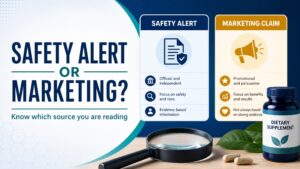
Monitoring FDA updates helps you learn about specific products, lots, or companies the agency has flagged so you can avoid potentially unsafe items and report problems you encounter. It also helps you separate official agency findings from marketing claims.
Where the FDA posts warnings and notifications
The FDA uses several public resources to share information about problematic products. Below are the most relevant pages and what they offer.
Useful FDA resources (what they cover and how to use them)
| FDA resource | What it covers | How to use it |
|---|---|---|
| Dietary Supplements (FDA) | General FDA information about how supplements are regulated and what consumers should know. | Read to understand the agency’s role and limitations for supplements. |
| Health Fraud Product Database | Searchable listings of products the FDA has found to be adulterated, mislabeled, or containing hidden ingredients. | Search by product name, ingredient, or company to find specific enforcement actions and notices. |
| Medication Health Fraud Notifications | Notices about products with hidden or unauthorized drug ingredients and other medication-related fraud. | Check for updates about adulterated products marketed for medical or health purposes. |
| Sexual Enhancement and Energy Product Notifications | Alerts about sexual enhancement or energy products that contain hidden drugs or other problems. | Useful if you use or are offered products in these categories. |
| Avoiding Products Contaminated with Hidden Ingredients | Guidance for consumers about products that may contain undisclosed active drugs and how to spot risks. | Read for practical signs of suspect products and safety steps. |
| Ways to contact FDA about human drugs (including reporting) | Information on how to report adverse events, product problems, and complaints to the FDA. | Use to learn how to submit reports (e.g., MedWatch) and whom to contact. |
(See References for direct links to each FDA page.)
How to track new FDA warnings — practical steps
- Bookmark and check key FDA pages regularly
– Make the FDA pages listed above (Dietary Supplements, Health Fraud Product Database, Medication Health Fraud Notifications, and category‑specific notifications) part of your routine checks. The Health Fraud Product Database is especially useful for searching specific product names or ingredients.
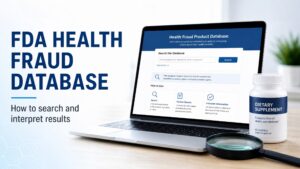
2. Search the FDA Health Fraud Product Database
- Use the database to look up particular product names, brand names, or active ingredients. When the FDA finds hidden drug ingredients or serious label problems, it often posts details here.
3. Watch category‑specific notifications
- The FDA publishes targeted notifications for some product categories (for example, sexual enhancement/energy products and certain tainted products). If you use products in those categories, review those pages frequently.
4. Read “Avoiding products contaminated with hidden ingredients”
- This guidance explains common signs that a product may contain undisclosed active drugs and offers steps to protect yourself.
5. Know how to report problems
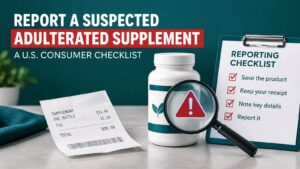
- If you suspect a supplement is unsafe or contains undisclosed ingredients, report it to the FDA. The FDA’s consumer contact/reporting pages explain how to submit adverse event reports and complaints.
6. Use site search and the Health Fraud Product Database instead of only product websites
- Don’t rely only on manufacturer websites or retailers for safety news. Manufacturer pages can be slow to update or may not reflect official recalls or FDA findings.
7. Consider monitoring related federal guidance on advertising
- The Federal Trade Commission (FTC) enforces advertising law and can act on fraudulent or deceptive health claims. Monitoring FTC resources can help you spot suspect marketing.
Understanding what FDA warnings mean (and what they don’t)
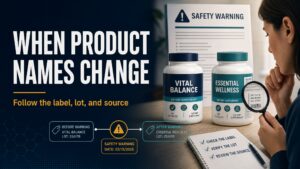
- Warnings and notifications generally apply to specific products, lots, or companies. Do not assume a warning about one product automatically applies to all products with a similar name or to an entire category.
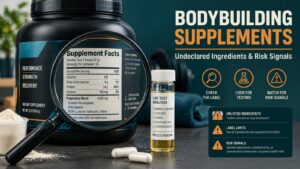
- The FDA may identify hidden drug ingredients (for example, an undeclared prescription drug in a “natural” supplement). The agency’s notices will specify the product and the ingredient(s) found.
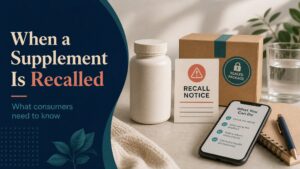
- FDA action does not always mean a formal recall; sometimes the agency issues warnings, seizure actions, or other enforcement measures. Read the specific notice for the agency’s finding and recommended consumer steps.
What to do if you think a supplement harmed you or contains hidden drugs
- Stop taking the product immediately.
- Seek medical care if you have concerning symptoms or an emergency (call 911 for life‑threatening conditions).
- Tell your clinician about all supplements and medications you use; this helps them evaluate possible interactions or hidden ingredients.
- Report the problem to the FDA (see “Ways to contact FDA” in References). Reporting helps the FDA detect patterns and flag other dangerous products.
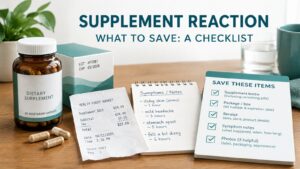
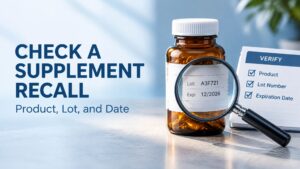
- Save the product label, container, lot number, purchase receipt, and any remaining product; these details help investigators and clinicians.
Limitations and realistic expectations
- The FDA does not test every supplement on the market. Many actions follow consumer reports, adverse event data, or targeted surveillance.
- Because enforcement focuses on specific products or lots, absence of an FDA warning does not guarantee a supplement is safe or fully labeled.
- If you need individualized medical advice about supplement safety or interactions with prescription drugs, consult your clinician or pharmacist. (For information on reading labels or interactions, see VitaEvidence guidance such as how to read supplement facts and supplements‑medication interactions pages.)
When to contact your clinician
- Contact your clinician if you develop new or worsening symptoms after taking a supplement, especially if symptoms are severe (e.g., chest pain, difficulty breathing, fainting, severe allergic reactions).
- Contact your clinician before starting supplements if you are pregnant, breastfeeding, have chronic medical conditions, or take prescription medications. A clinician can help assess risks and possible interactions.
Safety disclaimer
This article is educational and not a substitute for medical advice. It does not diagnose, treat, or prescribe for any condition. If you have a medical emergency, seek immediate care.
Quick checklist for consumers
- Bookmark the FDA pages listed above and check them periodically.
- Search the Health Fraud Product Database for specific products before using them.
- Look for signs of hidden ingredients per FDA guidance and read product labels carefully.
- Save packaging and lot numbers; report adverse events or suspicious products to the FDA.
- Consult a clinician about supplement safety if you have health conditions or take medications.
Safety disclaimer
This article provides general information and is not medical advice. It is not a substitute for professional medical evaluation. If you have health concerns, consult a licensed clinician.
References
- https://www.fda.gov/drugs/medication-health-fraud/avoiding-products-contaminated-hidden-ingredients
- https://www.fda.gov/consumers/health-fraud-scams/tainted-honey-based-products-hidden-active-drug-ingredients
- https://www.fda.gov/consumers/health-fraud-scams/health-fraud-product-database
- https://www.fda.gov/food/dietary-supplements
- https://www.fda.gov/food/information-consumers-using-dietary-supplements/questions-and-answers-dietary-supplements
- https://www.fda.gov/food/dietary-supplements-guidance-documents-regulatory-information/dietary-supplement-labeling-guide
- https://www.fda.gov/drugs/medication-health-fraud-notifications/sexual-enhancement-and-energy-product-notifications
- https://www.fda.gov/drugs/medication-health-fraud/medication-health-fraud-notifications
- https://www.ftc.gov/news-events/topics/truth-advertising/health-claims
- https://www.ftc.gov/business-guidance/resources/health-products-compliance-guidance
- https://www.fda.gov/about-fda/cder-contact-information/ways-consumers-contact-fda-about-human-drugs
Last reviewed: August 2026
VitaEvidence Editorial Team