In this guide
Vitamin K is a group of related compounds that the body needs mainly for normal blood clotting and for proteins involved in bone metabolism. You get vitamin K from several foods and from bacteria in the gut, and some people also take tablets or mixed multivitamins that contain it. Supplements are regulated differently from prescription medicines, and certain medications — most importantly some blood thinners — can interact with vitamin K. This article explains food sources, what supplements contain, label‑reading tips, and when to talk with your clinician.
What is vitamin K?
Vitamin K refers to several chemically related forms. Phylloquinone (sometimes called vitamin K1) is the main form in green leafy vegetables. Menaquinones (often called K2) are a group of related compounds found in certain animal and fermented foods and produced by gut bacteria. All have a role in activating proteins that help blood clot and that affect bone and vascular tissues. For official intake recommendations and daily values, see the NIH Office of Dietary Supplements (ODS) resources on nutrient recommendations and daily values.
Food sources
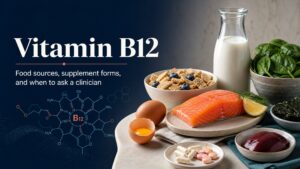
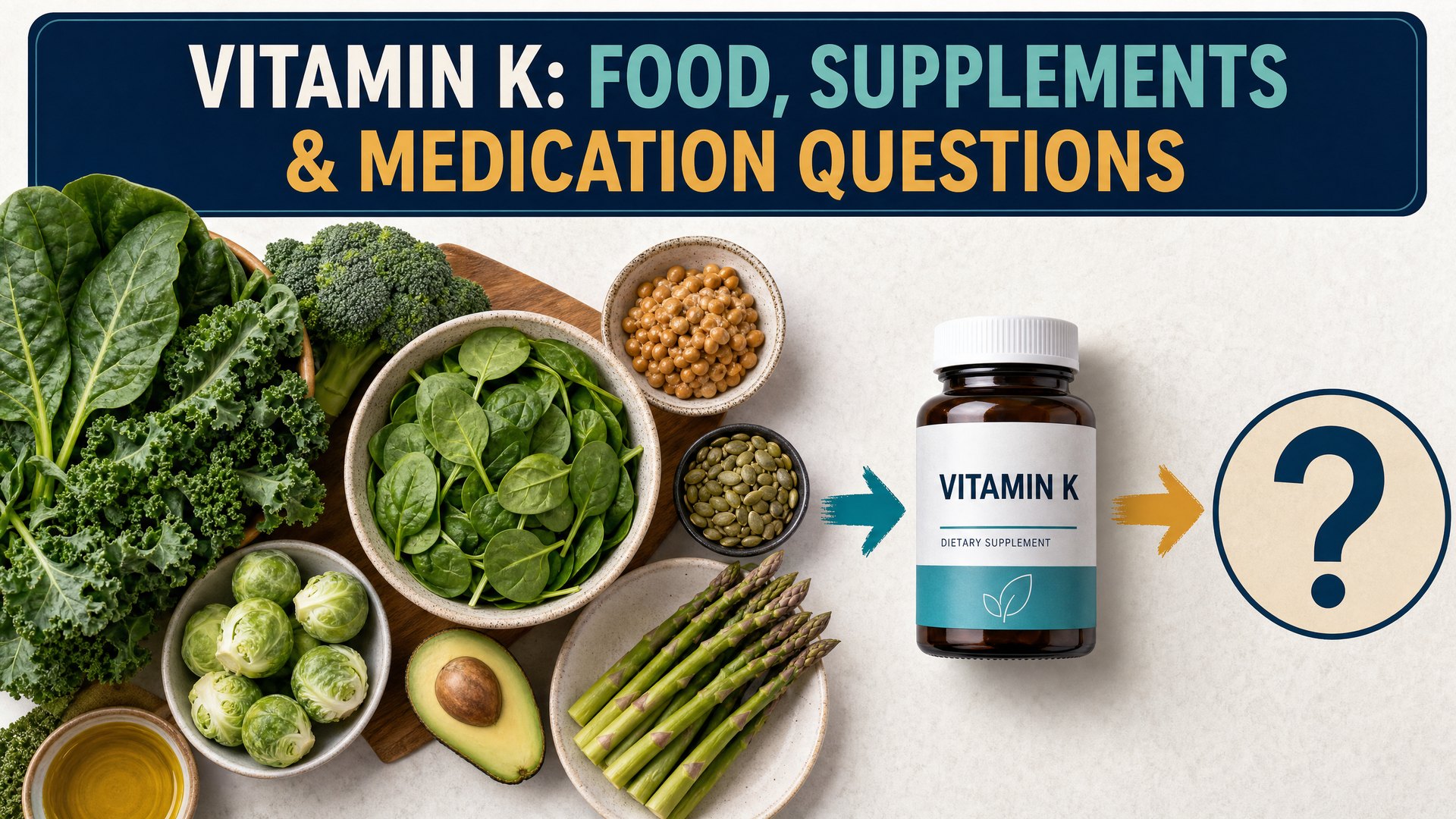
- Leafy green vegetables (for example, kale, spinach, and broccoli) are common sources of phylloquinone (K1).
- Certain fermented foods and some animal products contain menaquinones (K2), which include several subtypes.
- Because vitamin K is fat‑soluble, dietary fat in a meal helps with absorption of vitamin K from foods.
Supplements and regulation
Vitamin K supplements are sold as single‑ingredient products or as part of multivitamins. The U.S. Food and Drug Administration (FDA) treats dietary supplements as a category of food, not as drugs — manufacturers do not need FDA approval before marketing supplements. The FDA does, however, act against unsafe products or false claims after products reach the market. For more about how supplements are regulated and what FDA oversight means for consumers, see the FDA pages on dietary supplements and on how FDA approvals work.
Common supplement forms
- Labels usually list phylloquinone (vitamin K1) or menaquinone (vitamin K2) and sometimes the specific subtype (e.g., MK‑4 or MK‑7) when K2 is present.
- Some older or synthetic forms (for example, menadione, sometimes called vitamin K3) have been associated with adverse effects and are not used in standard dietary supplements for adults; the ODS fact sheet discusses forms and safety.
Why medication questions matter
The most important interaction to know about is with anticoagulant medications that work by interfering with vitamin K–dependent clotting factors (for example, warfarin). Changes in vitamin K intake from foods or supplements can affect how these medicines work. If you take an anticoagulant, do not start, stop, or change a vitamin K supplement — or dramatically change your intake of vitamin K–rich foods — without first talking to the clinician who manages your anticoagulation.
Other scenarios where clinicians commonly ask about vitamin K include newborn care (health authorities commonly use a vitamin K injection at birth to prevent early bleeding) and conditions that impair fat absorption or liver function, which can affect vitamin K status. The ODS vitamin K fact sheet and consumer materials outline these clinical connections.
How to read labels and check quality
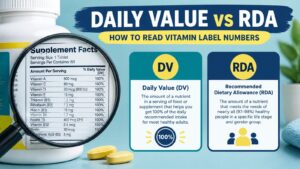
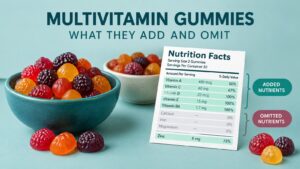
- Look for the “Supplement Facts” panel to see the form of vitamin K listed (phylloquinone or a menaquinone subtype) and the amount per serving.
- Check the ingredient list for added nutrients or oils (fat can help absorption) and for possible allergens.
- Remember that supplement manufacturers do not need FDA approval before marketing. Independent third‑party testing seals (for example, from USP or NSF) indicate that the product has been tested for certain quality markers, but a seal does not mean a supplement is effective for any health condition.
- If a product claims to treat, cure, or prevent disease, that is a red flag — these are drug claims and are not appropriate for dietary supplements under FDA rules.
Interactions, precautions, and who should be cautious
- If you take prescription anticoagulants (blood thinners), your clinician needs to know about consistent vitamin K intake from diet or supplements so dosing and monitoring can be adjusted safely.
- People with liver disease or conditions that reduce fat absorption may have altered vitamin K status; discuss testing or supplementation with a clinician.
- Antibiotics that affect gut bacteria can sometimes lower vitamin K produced by intestinal microbes; if you take long courses of antibiotics, mention this to your clinician.
- Pregnant or breastfeeding people and parents of newborns should discuss vitamin K with their obstetrician or pediatrician. Newborns routinely receive vitamin K to reduce the risk of bleeding disorders; speak to your baby’s clinician for details.
When to seek care
- Seek prompt medical attention for unexplained or excessive bleeding, large unexplained bruises, blood in urine or stool, or any sudden change in bleeding tendency.
- Contact the clinician who manages your anticoagulant therapy before making any changes to vitamin K intake from foods or supplements.
- If you’re considering a new supplement and are pregnant, breastfeeding, have liver disease, or take prescription medicines, consult your clinician beforehand.
Bottom line
Vitamin K is important for blood clotting and is commonly present in green vegetables and some fermented foods. Supplements are widely available but are regulated as foods, not as FDA‑approved drugs. If you take anticoagulant medications or have conditions that affect fat absorption or liver function, tell your clinician before changing your diet or starting a supplement. For official intake values, safety information, and consumer guidance, consult the NIH Office of Dietary Supplements and FDA resources linked below.