In this guide
Why balance matters — and why perfection doesn’t
When school starts, busy families often feel pressure to assemble the “perfect” lunch every day. Public health guidance emphasizes a practical approach: aim for foods from the main food groups over time and focus on variety, not perfection. The USDA MyPlate and the Dietary Guidelines encourage meals that include vegetables, fruits, grains (preferably whole), protein foods, and a small amount of dairy or fortified alternatives across the day.
Simple building-block approach
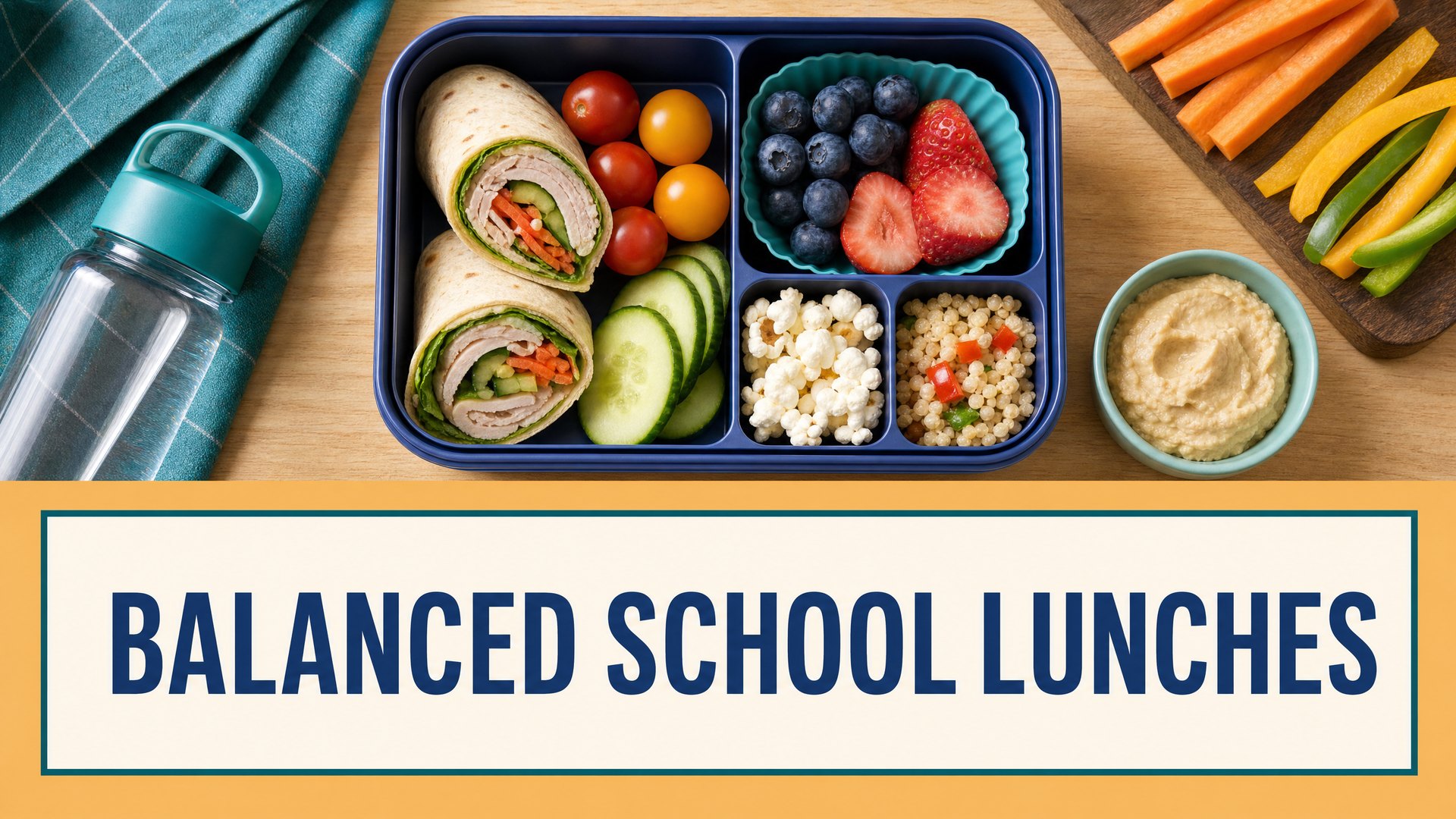
Use a flexible template rather than a strict recipe. A balanced lunch can usually include:
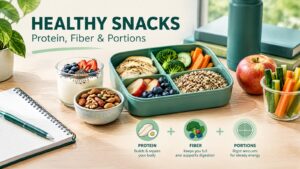
- A protein source (e.g., lean deli meat, canned tuna, beans, hummus, yogurt)
- A whole-grain or grain option (e.g., whole-grain bread, wraps, brown rice, whole-grain crackers)
- A vegetable and/or a fruit (fresh, canned in juice, or frozen)
- A small dairy or fortified alternative (milk, yogurt, or a fortified plant beverage) or an appropriate calcium-rich food
- Water to drink
Rotate choices across the week so kids eat a wider range of nutrients without needing every item to appear daily.
Practical lunch examples
- Elementary: Turkey and cheese on whole-grain bread, carrot sticks, apple slices, plain yogurt, water
- Middle school: Hummus, whole-grain pita, cucumber slices, orange wedge, a small tub of cottage cheese, water
- High school: Brown rice bowl with beans and roasted veggies, salsa, a banana, milk or fortified beverage, water
Swap items to match tastes and school policies. Leftovers from dinner are often the fastest, balanced option.
Label reading and choosing packaged foods
Use the Nutrition Facts label to compare products. Check the serving size first, then look for:
- Fiber and protein content — these help with fullness (see NIH Office of Dietary Supplements resources on fiber and protein)
- Added sugars — choose lower added-sugar options when possible
- Sodium — particularly for processed or ready-to-eat items
- Whole-grain ingredients — look for “whole” listed near the top of the ingredient list for grain products
For teens, be aware of caffeinated products (energy drinks, some sodas). The NIH Office of Dietary Supplements provides guidance on caffeine in foods and beverages.
Food safety and packing tips
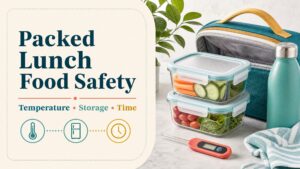
Perishable foods should be handled and stored safely when you prepare and transport lunches. Follow general safe-food-handling practices: wash hands and surfaces, keep raw foods separate from ready-to-eat items, and refrigerate perishable items until packing. For school lunches that will sit for several hours, use insulated lunch bags and frozen ice packs to help keep foods cool. Refer to USDA, FDA, and FSIS food-safety guidance for specific recommendations on handling, storing, and transporting food.
Allergy awareness and school policies
If your child or classmates have food allergies, follow school rules and FDA guidance for preventing allergic reactions. Avoid cross-contact (for example, using separate containers or utensils) and clearly label any foods or ingredient lists requested by the school.
Managing common digestive concerns
Some kids may experience gas or constipation when their fiber intake changes. Increase fiber-rich foods gradually and encourage regular fluid intake. For persistent digestive symptoms, consult your child’s pediatrician or a registered dietitian; NIH resources on digestive health and fiber can help explain how diet influences bowel habits.
Quick planning strategies
- Batch-cook staples (grains, roasted vegetables, proteins) to mix-and-match lunches through the week.
- Keep a small stock of ready-to-eat items (washed fruits, cut vegetables, single-serve yogurt) for busy mornings.
- Involve kids in choosing lunches to increase the chance they’ll eat them.
When to seek care
Contact your child’s healthcare provider or seek urgent care if your child has signs of a severe allergic reaction (trouble breathing, swelling of the face or throat, hives), persistent vomiting or diarrhea, signs of dehydration, or severe abdominal pain. For ongoing feeding, growth, or digestive concerns, ask the child’s pediatrician or a registered dietitian for personalized advice.
Bottom line
Back-to-school lunches don’t require perfection. Aim for variety across the main food groups over the week, use simple templates and batch cooking to save time, read labels to favor fiber and lower added sugar, follow food-safety guidance when packing and storing lunches, and follow school allergy policies. Small, consistent choices add up over time.
Draft for editorial review. This article is informational and not individualized medical or dietetic advice.