VITAEVIDENCE GUIDES
Evidence-based guides for everyday health decisions.
Practical reading on supplements, vitamins, nutrition, sleep, and exercise—built around what the evidence can and cannot tell you.
Use the topics below to find a focused guide. Each article identifies its sources, explains important limits, and includes practical questions to consider before making a health decision.
All guides
-

Stretching Before Exercise: Dynamic Warm-Ups, Static Stretching, and Timing
A practical evidence-based guide to stretching before exercise: dynamic warm-ups, static stretching, and timing, with realistic expectations and safety limits. Read guide →
-

Blue-Light Glasses and Sleep: What Evidence Can Actually Support
A practical evidence-based guide to blue-light glasses and sleep: what evidence can actually support, with realistic expectations and safety limits. Read guide →
-
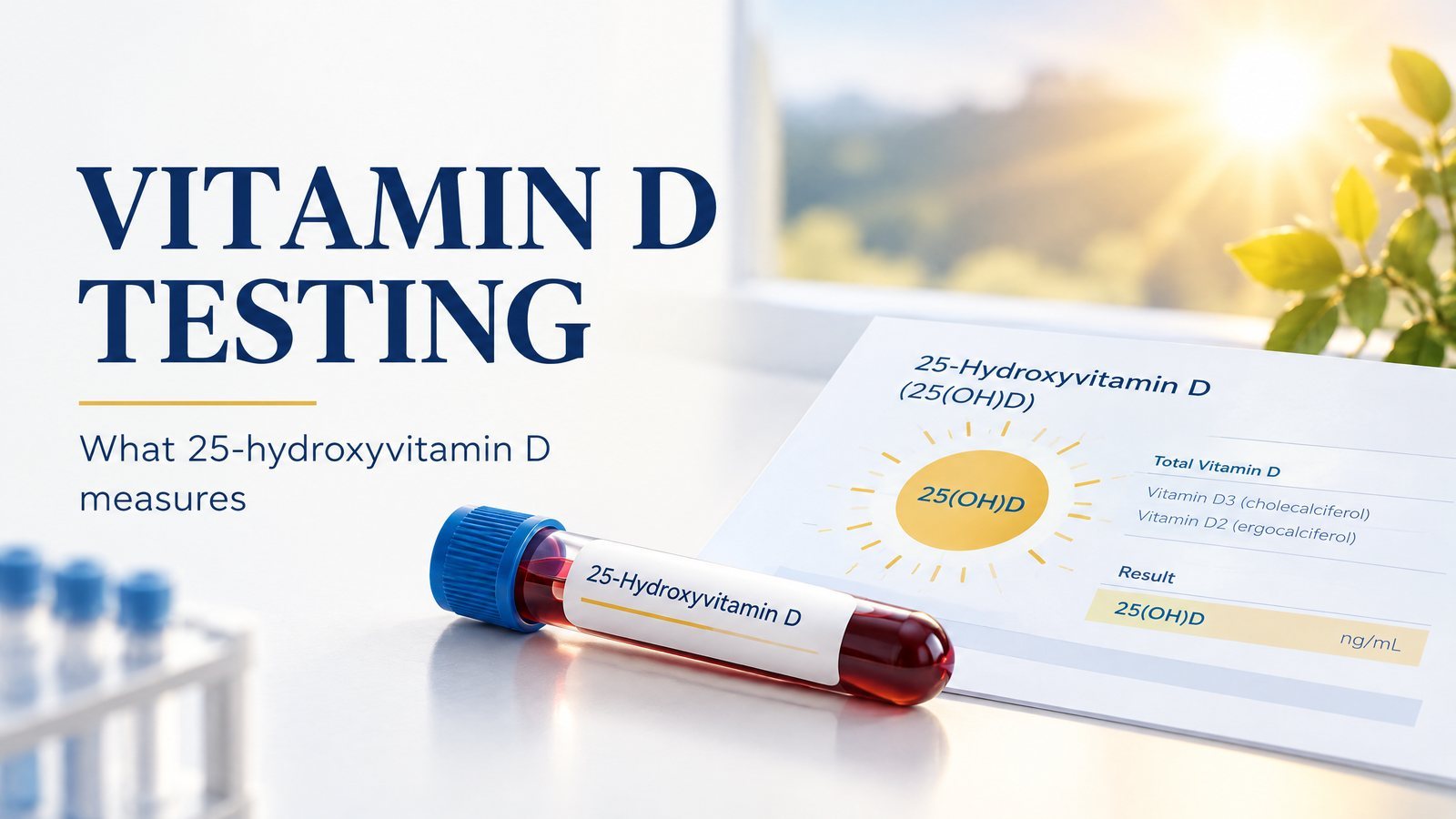
Vitamin D Testing: What 25-Hydroxyvitamin D Results Actually Measure
A 25-hydroxyvitamin D blood test is the standard laboratory measure of vitamin D status. This article explains what the number reflects, what it does not,… Read guide →
-
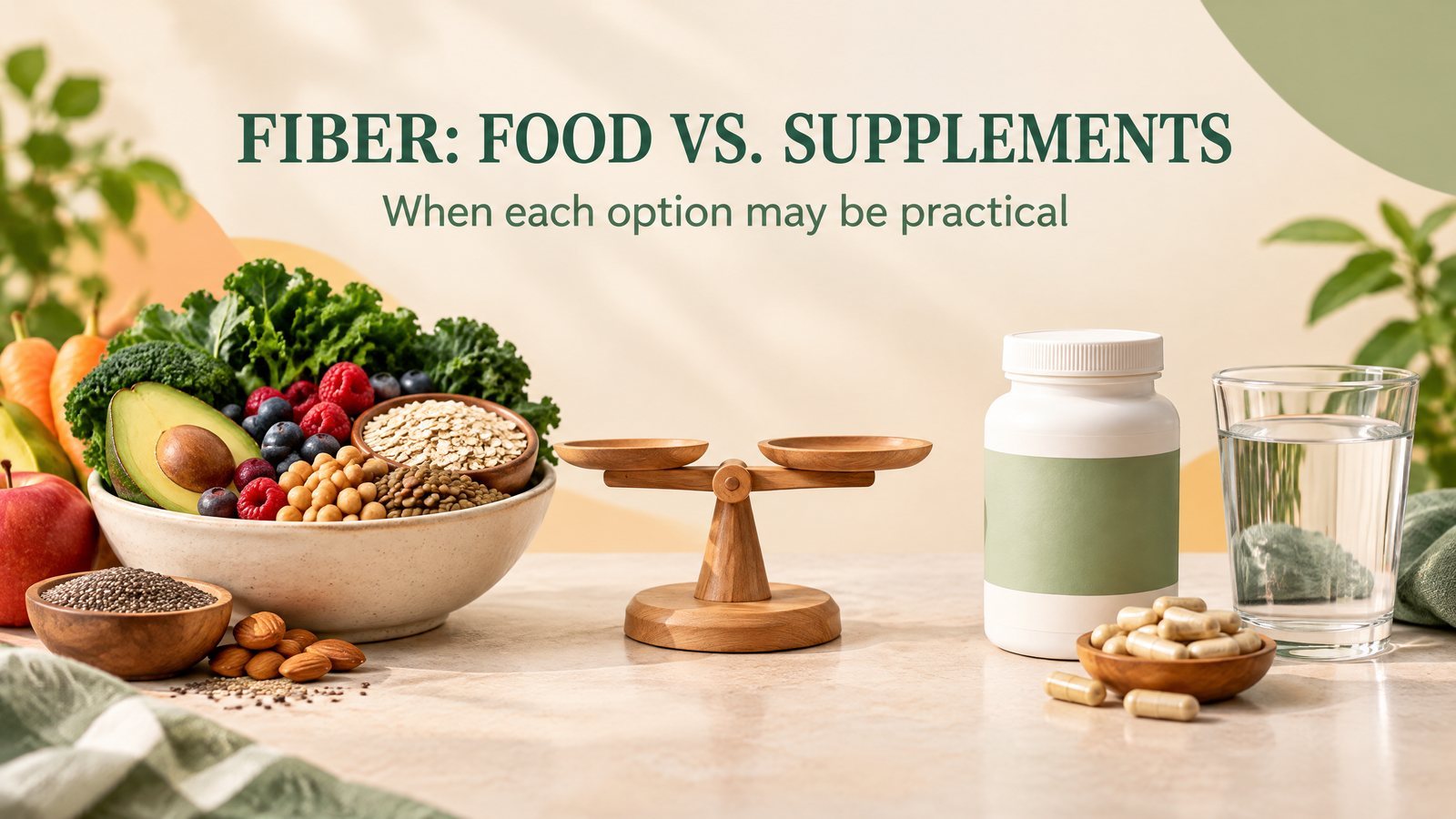
Fiber Supplements vs. Food: When Each Option May Be Practical
Compare getting fiber from whole foods versus supplements, learn when a supplement may be practical, how to read labels, safety concerns, and when to seek… Read guide →
-
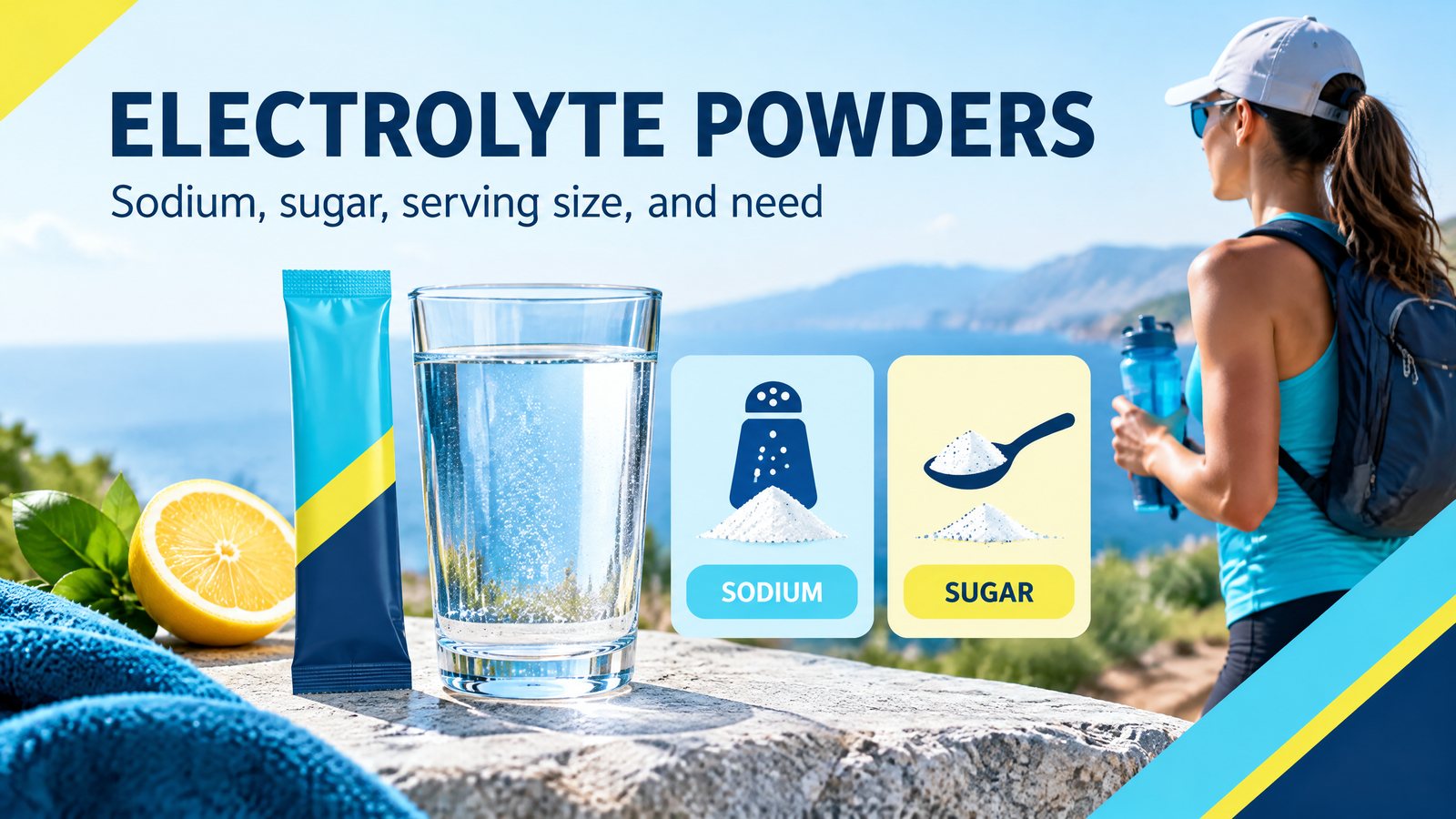
Electrolyte Powders: Sodium, Sugar, Serving Size, and Who May Need Them
Electrolyte powders can help replace minerals lost with heavy sweating or illness. This guide explains sodium and sugar content, serving-size pitfalls, who might need them,… Read guide →
-
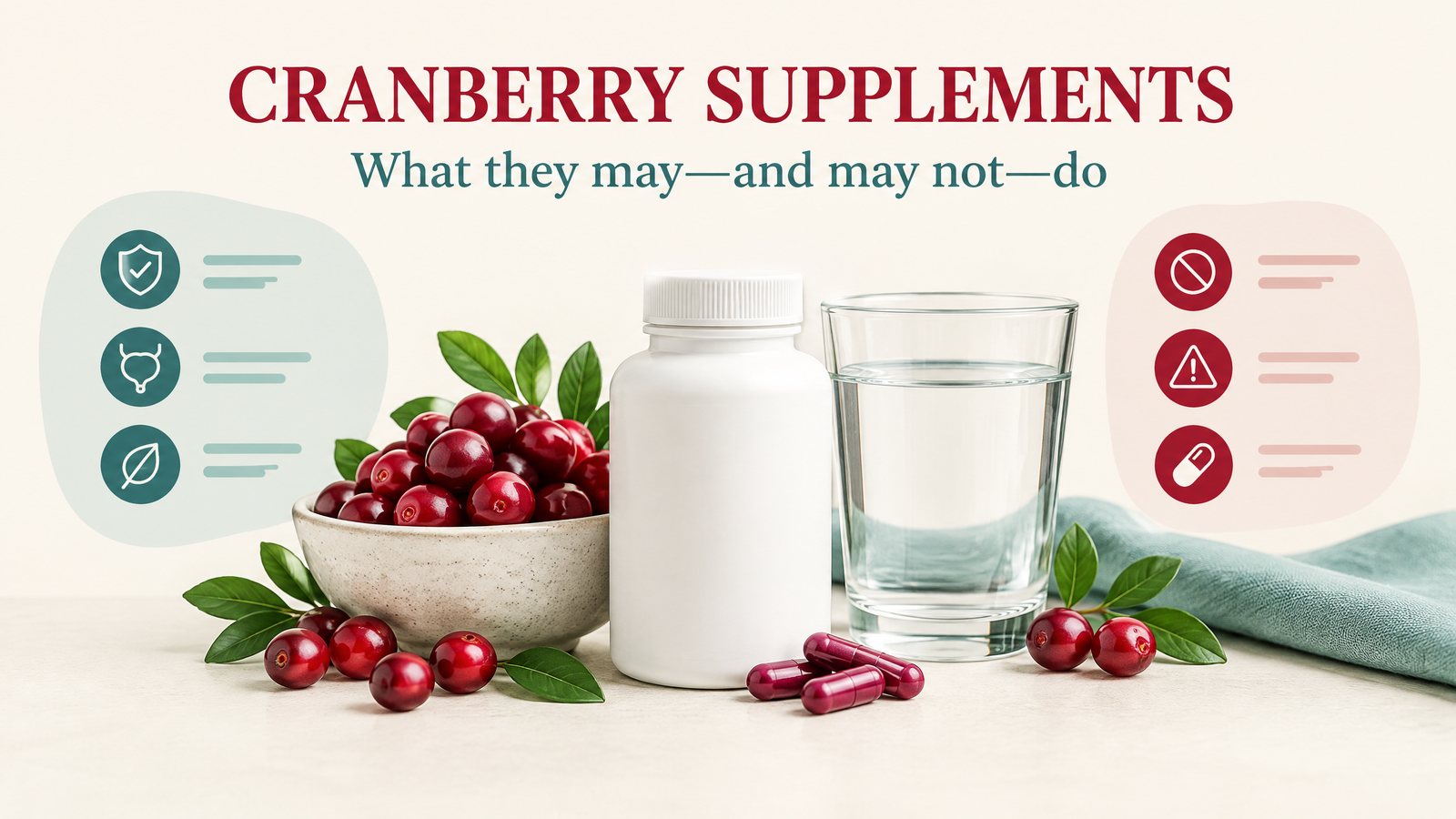
Cranberry Supplements for Urinary Tract Health: What They May and May Not Do
Cranberry supplements are marketed for urinary tract health, but evidence is mixed and products are regulated differently than medicines. This article explains possible benefits, limits,… Read guide →
-

DOMS Explained: Why Delayed Muscle Soreness Happens and What Helps
A practical evidence-based guide to doms explained: why delayed muscle soreness happens and what helps, with realistic expectations and safety limits. Read guide →
-
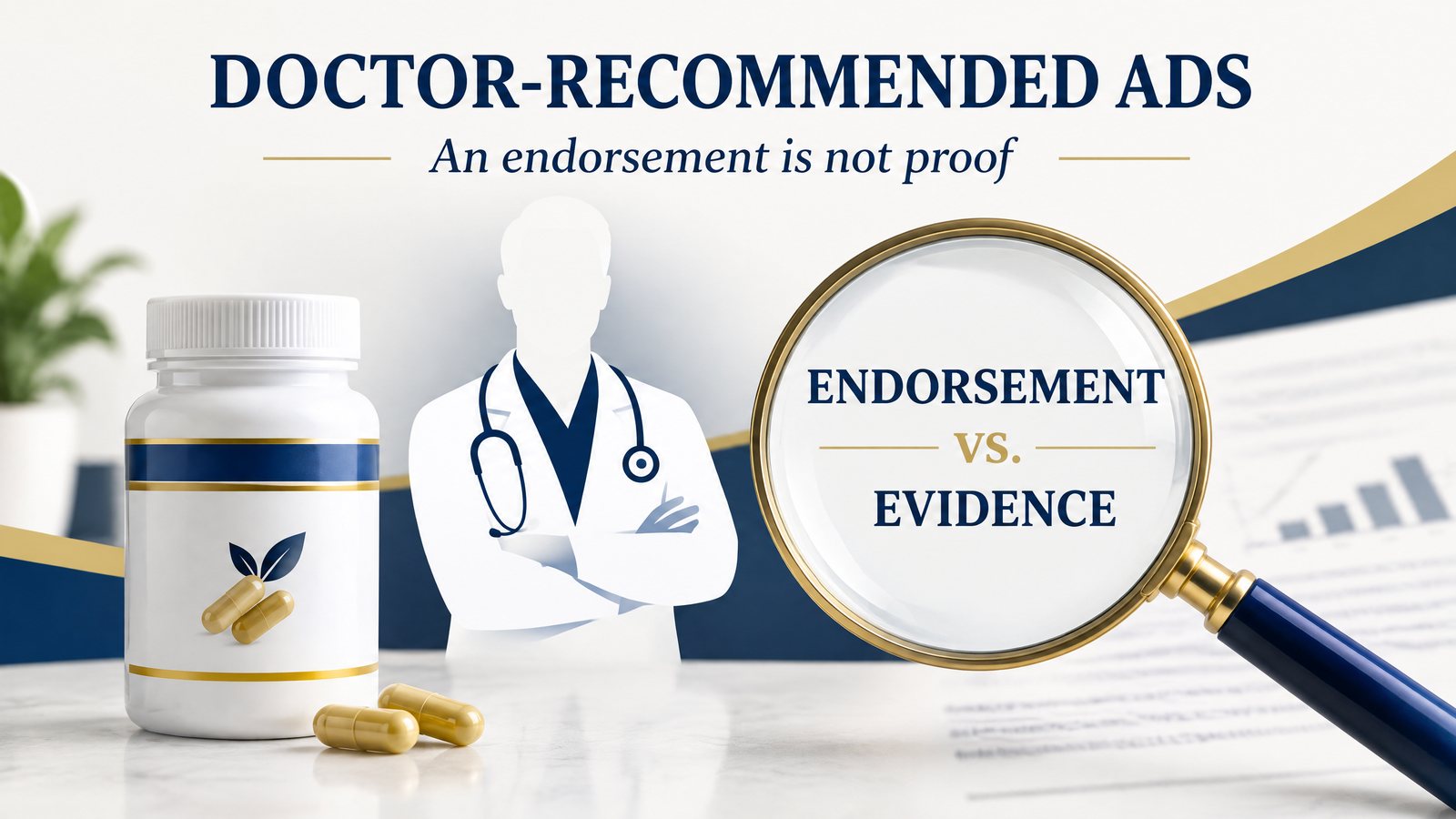
“Doctor Recommended” Supplement Ads: What the Endorsement Does Not Establish
A practical evidence-based guide to “doctor recommended” supplement ads: what the endorsement does not establish, with verification steps and safety limits. Read guide →
-
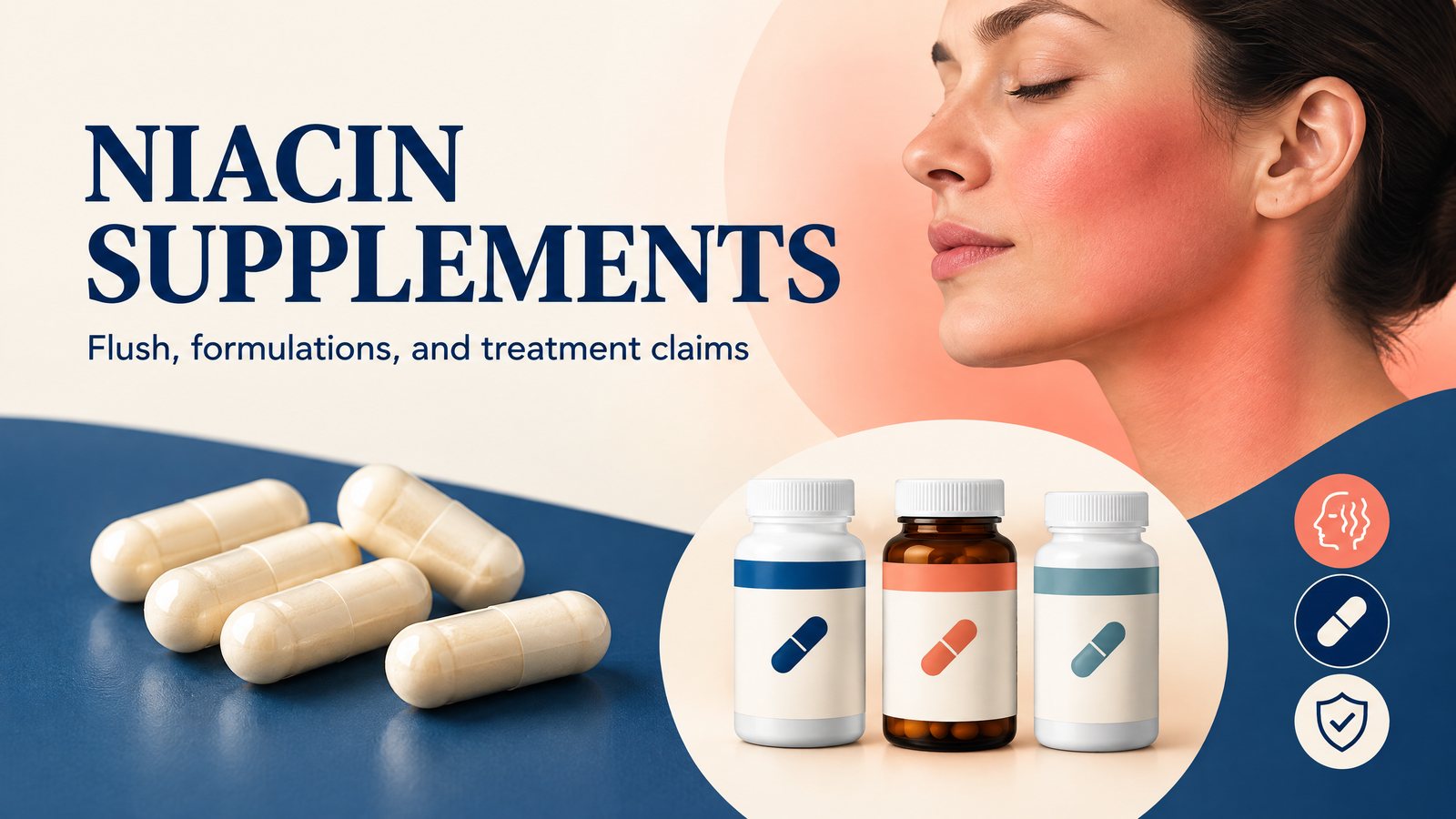
Niacin Supplements: Flush, Formulations, and Why Treatment Claims Need Care
Niacin (vitamin B3) has a long history in nutrition and medicine. Over-the-counter forms differ from prescription products, can cause flushing, and carry safety trade-offs. Learn… Read guide →
-
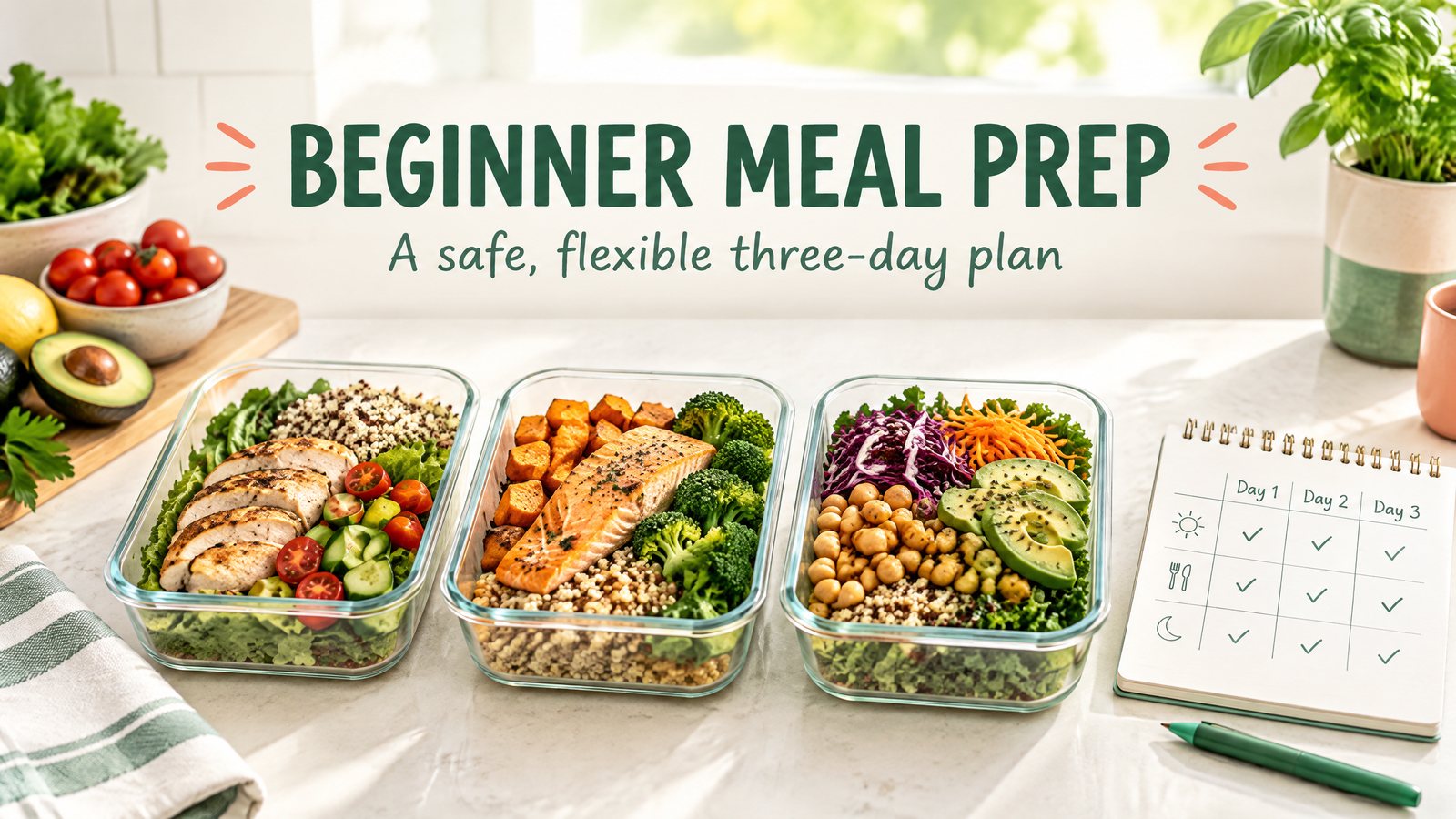
Meal Prep for Beginners: A Safe, Flexible Way to Plan Three Days of Meals
Learn how to plan and prep three days of balanced meals with easy swaps, label-reading tips, and official food-safety guidance from USDA and FDA. Read guide →
-
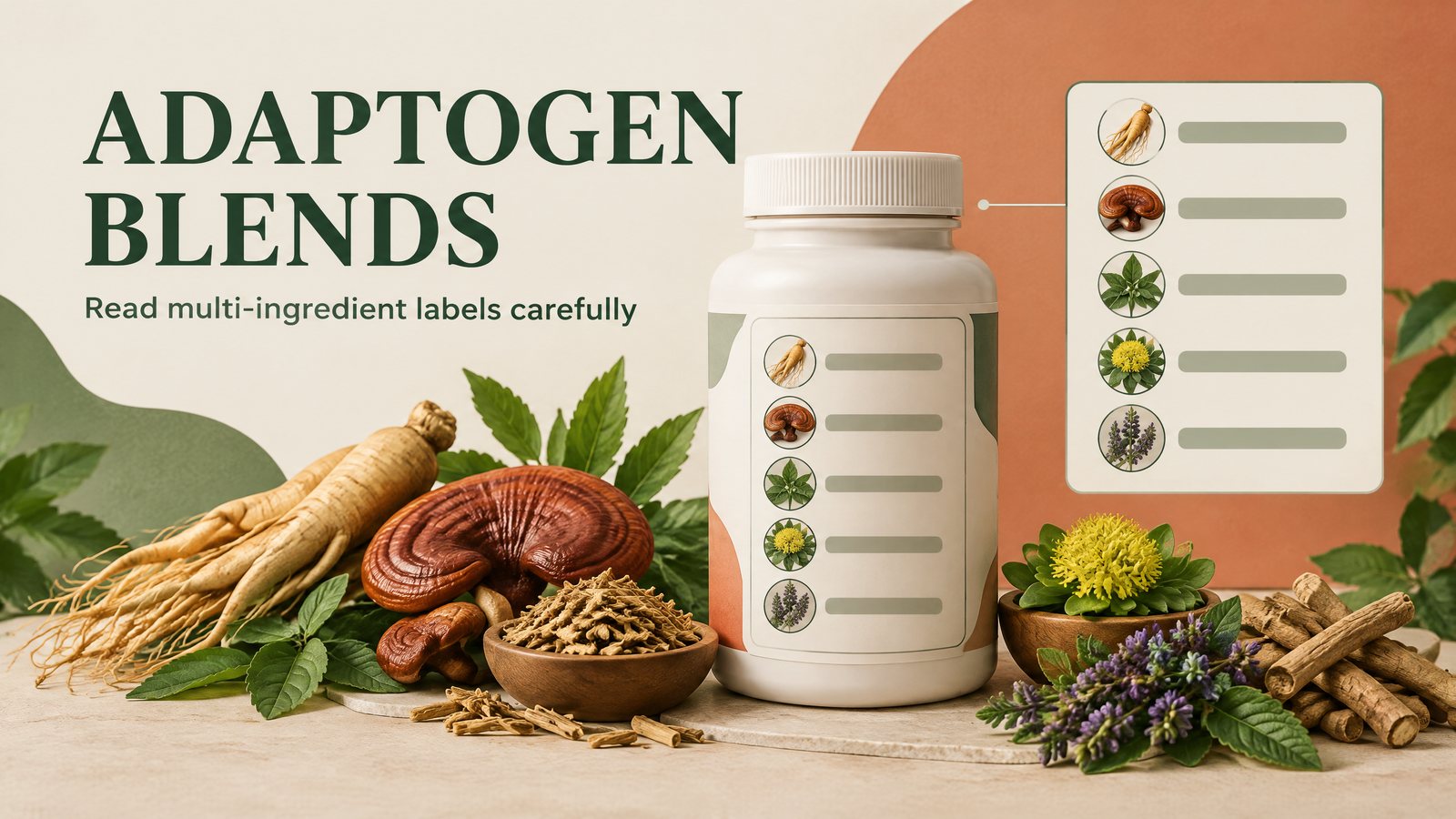
Adaptogen Blends: How to Read Multi-Ingredient Stress Supplements Carefully
Adaptogen blends often combine several herbs and nutrients with marketing claims about stress resilience. This guide explains what is known, what isn’t, how to read… Read guide →
-
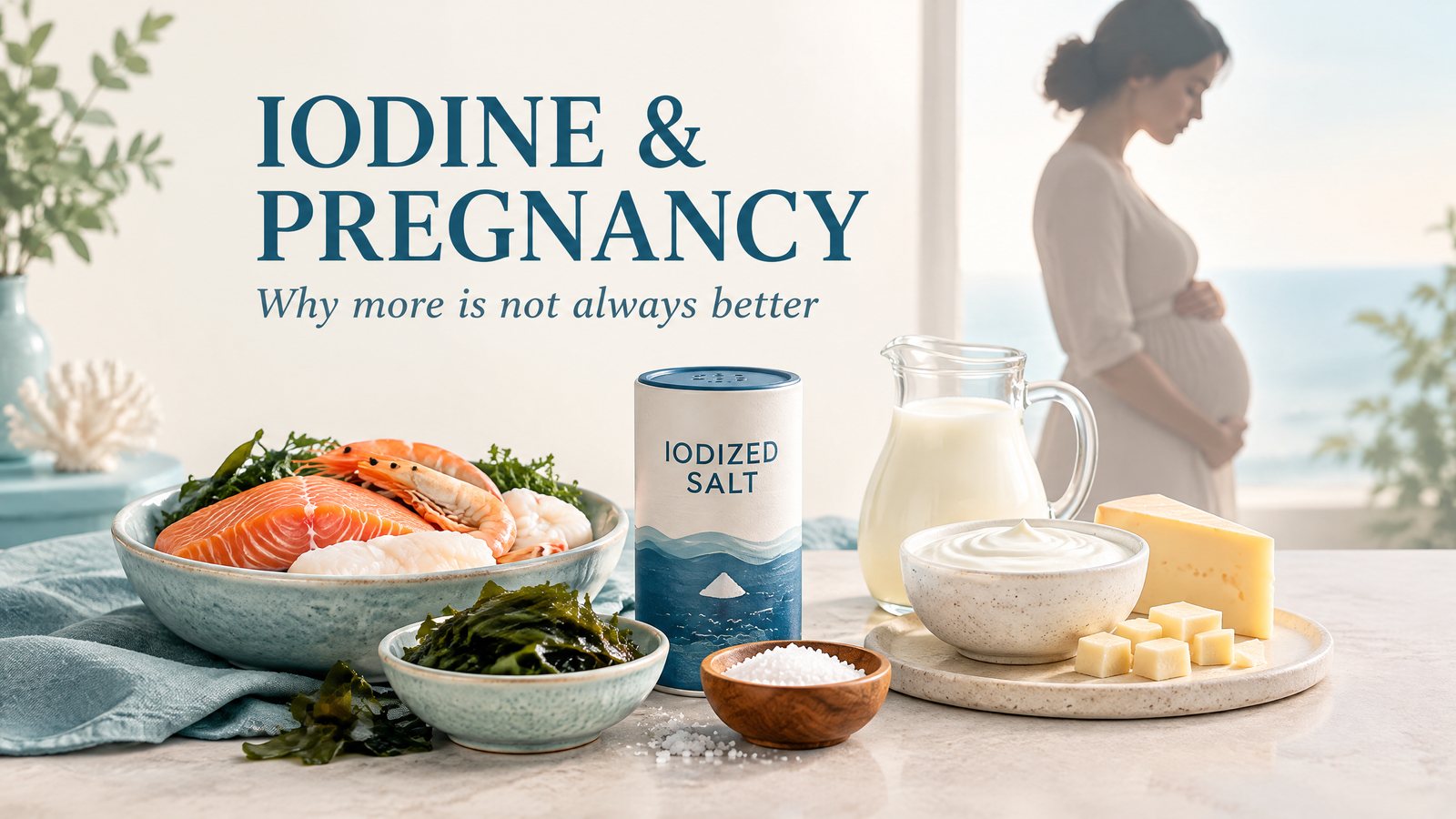
Iodine and Pregnancy: Why More Is Not Always Better
Iodine is essential for thyroid hormones and fetal brain development, but excess iodine — from supplements or some seaweed products — can cause thyroid problems.… Read guide →