In this guide
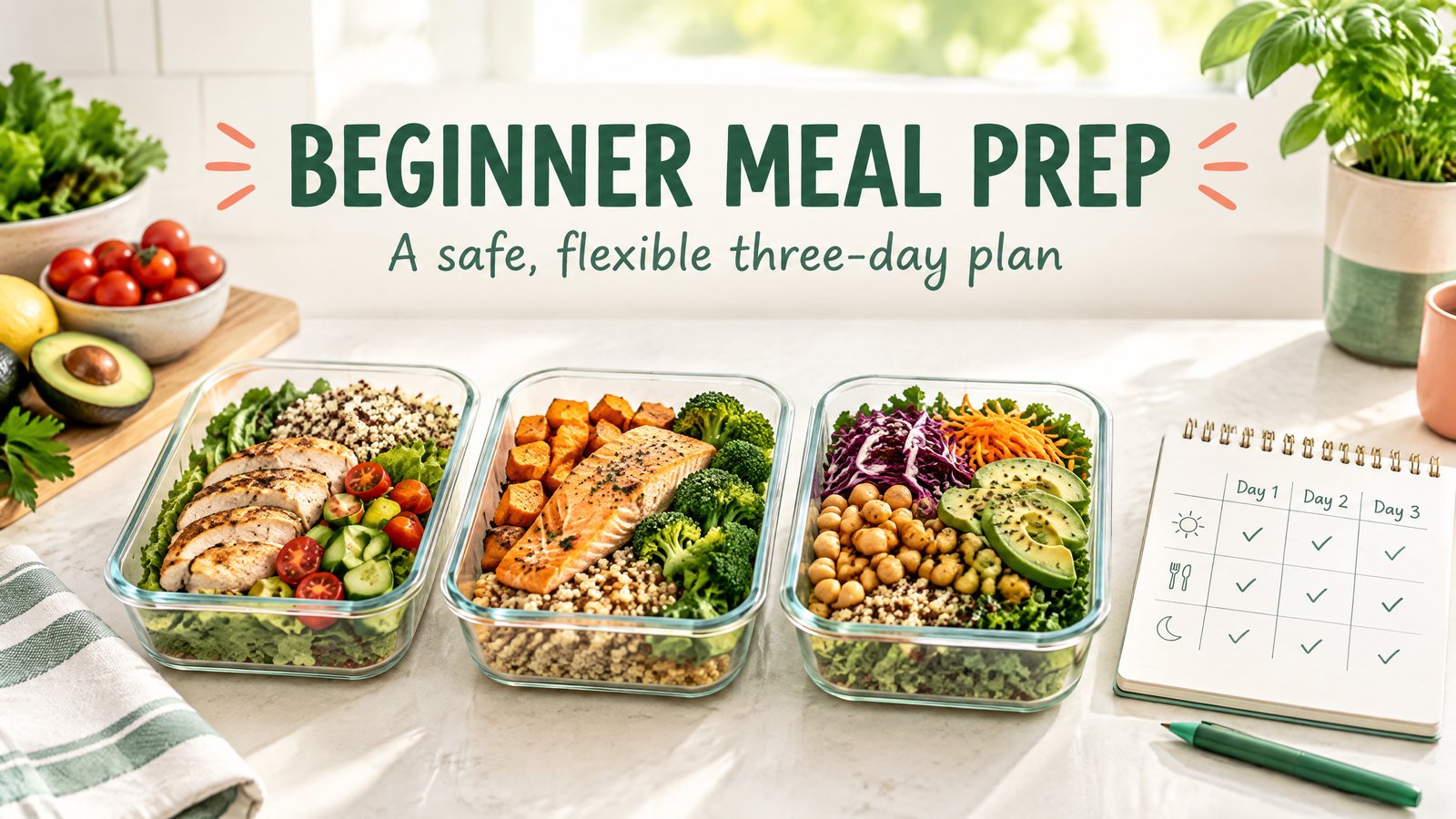
Meal prep can save time, reduce stress, and make it easier to eat balanced meals. This guide walks beginners through planning three days of flexible meals while emphasizing safety, simple swaps, and how to read labels. It’s a general how‑to, not individualized medical or diet advice.
Start with a simple plan
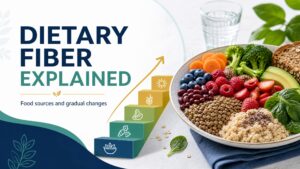
Use a template to keep planning quick. Aim to include a source of protein, a vegetable, a whole grain or starchy vegetable, and a fruit or dairy choice across each day—consistent with USDA MyPlate and the Dietary Guidelines. A small amount of healthy fat (olive oil, nuts, avocado) and fiber-rich choices (vegetables, beans, whole grains) help meals feel satisfying.
Flexible three-day menu (examples and swaps)
- Day 1 — Breakfast: yogurt with fruit and oats; Lunch: grain bowl (quinoa or brown rice) with black beans, roasted vegetables, and a simple dressing; Dinner: baked fish or tofu with steamed greens and potatoes. Snacks: fresh fruit, a small handful of nuts.
- Day 2 — Breakfast: egg muffins or scrambled eggs with whole-grain toast; Lunch: salad with mixed greens, chickpeas, chopped veggies, and a whole-grain roll; Dinner: vegetable and lentil chili or a bean stew. Snacks: raw vegetables and hummus, yogurt.
- Day 3 — Breakfast: overnight oats with fruit; Lunch: whole-grain wrap with lean protein (turkey, grilled chicken, or tempeh) and veggies; Dinner: stir-fry with mixed vegetables, a protein of choice, and brown rice. Snacks: fresh fruit, popcorn, or a piece of cheese.
Swap ingredients to match preferences, budget, or dietary needs. For older adults or people with specific medical concerns, use NIA guidance on choosing foods across the food groups and talk with a clinician or registered dietitian for tailored plans.
Shop smart and read labels
Before shopping, make a list organized by meal and by grocery section. When comparing packaged items, learn a few label basics from the FDA:
- Check the serving size at the top of the Nutrition Facts label so you compare like for like.
- Look at sodium and added sugars if you’re aiming to limit them; check fiber and protein if you want more filling foods.
- Scan ingredient lists for allergens or ingredients you prefer to avoid.
Choose minimally processed whole foods when possible—fresh or frozen vegetables, whole grains, beans, lean proteins, fruit, nuts, and dairy or fortified alternatives.
Batch prep and simple recipes
Batch-cook one or two components to mix and match across meals. Examples:
- Cook a pot of whole grains (rice, quinoa) for use in bowls and sides.
- Roast a sheet pan of mixed vegetables that can be reheated or used cold in salads.
- Prepare a protein source (baked fish, roasted chicken, tofu, lentils) to portion into meals.
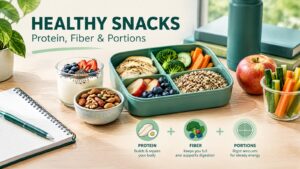
- Portion snacks (cut fruit, carrot sticks, small nut packs) so they are grab-and-go.
Food safety: handling, storage, and reheating
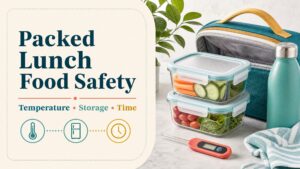
Follow official food-safety advice when preparing and storing meals. Key points from FDA, USDA/FSIS, and CDC guidance include:
- Wash hands and surfaces before handling food and after raw meat, poultry, seafood, or eggs.
- Keep raw proteins separate from ready-to-eat foods while shopping, prepping, and storing.
- Store perishable items in the refrigerator promptly and label containers with the date. Consult USDA or FDA resources for recommended storage times and reheating guidance.
- Reheat leftovers until very hot and steaming throughout. If using a microwave, cover food and stir when practical to eliminate cold spots.
If you use canned or packaged foods, check expiration dates and follow any on-package storage instructions.
Practical tips to keep it flexible
- Plan two to three protein or grain bases and rotate vegetables and sauces for variety.
- Prep ingredients rather than full plated meals if you want more day-of flexibility (e.g., chopped vegetables, cooked grains, portioned proteins).
- Freeze individual portions if you won’t use them within a few days—label with contents and date.
When to seek care
Seek medical care if you suspect serious foodborne illness (for example, severe dehydration, bloody diarrhea, very high fever, or prolonged vomiting). People who are pregnant, very young, older adults, or immunocompromised should use extra caution with high‑risk foods and consult their clinician about specific precautions.
Bottom line
Meal prep for three days can be simple, safe, and flexible. Start with a basic template that includes protein, vegetables, whole grains, and a fruit or dairy choice. Shop with a short list, batch-cook a few staples, and follow FDA and USDA food-safety resources for storage and reheating. Small, consistent steps make meal prep sustainable and reduce mealtime stress.