In this guide
- What are hot flashes?
- Lifestyle strategies that may help
- Identify and avoid personal triggers
- Cool the environment and your body
- Physical activity and weight management
- Smoking cessation and reduced alcohol intake
- Sleep and stress management
- What about diet, vitamins, and supplements?
- When lifestyle changes aren’t enough: medical options
- When to seek care
- Takeaway
- References
Hot flashes—sudden feelings of warmth, often with sweating and flushing—are one of the most common symptoms during the menopause transition. Many people look first to lifestyle changes to reduce their frequency or make them less disruptive. This article reviews practical measures that may help, explains what the evidence says (and where it is limited), and notes when to seek medical care.
What are hot flashes?
Hot flashes are brief episodes of heat and sweating that can occur during the menopause transition and after menopause. They can vary in intensity and frequency and may interfere with sleep, mood, work, or daily activities. For personal medical questions about menopause and treatment options, the American College of Obstetricians and Gynecologists (ACOG) provides detailed clinical information and guidance.
Lifestyle strategies that may help
Many people find a combination of small changes can reduce how often hot flashes occur or make episodes less bothersome. Evidence for some approaches is stronger than for others; ACOG notes that hormone therapy is the most effective medical treatment, but lifestyle steps are commonly recommended because they are low-risk and can improve overall health.
Identify and avoid personal triggers
- Common triggers reported by people include hot beverages, spicy foods, alcohol, caffeine, and warm environments. Identifying and reducing exposure to your personal triggers may reduce episodes.
- Practical tactics: keep a diary to note when hot flashes occur and what you were doing or eating beforehand, then try reducing likely triggers.
Cool the environment and your body
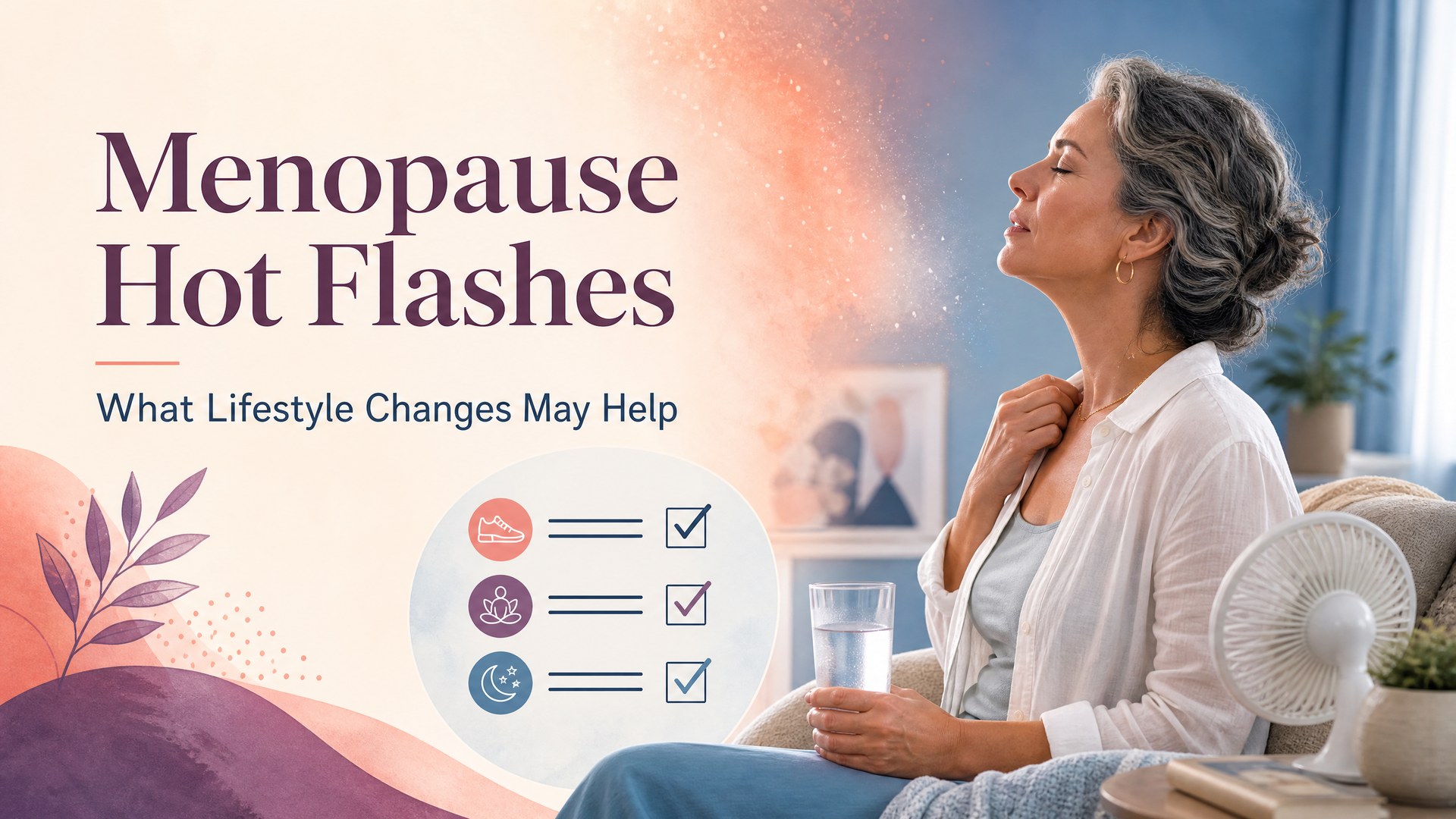
- Wearing layers, choosing breathable fabrics (cotton or moisture-wicking materials), using a fan, and keeping a cold drink or cool cloth nearby can provide quick relief during an episode.
- Keeping the bedroom cooler and using lighter bedding can reduce nighttime hot flashes and sweating.
Physical activity and weight management
- Regular physical activity is recommended for overall health and may improve sleep and mood; some people notice fewer or less severe hot flashes with increased activity, but evidence specifically proving strong reductions in hot flashes is mixed.
- Maintaining a healthy weight is advised for many reasons. Excess body weight can influence menopause symptoms for some people, so modest weight loss may help some women, though results vary.
Smoking cessation and reduced alcohol intake
- Smoking is associated with earlier menopause and may worsen vasomotor symptoms. Quitting smoking is recommended for broad health benefits and may reduce hot flash burden for some people.
- Limiting alcohol may reduce the chance of hot flashes triggered by drinking.
Sleep and stress management
- Improving sleep habits (regular bedtime, cool bedroom) can reduce the impact of nighttime hot flashes. Good sleep hygiene supports overall well-being.
- Stress-reduction techniques such as paced breathing, relaxation, and mindfulness can help manage the discomfort or anxiety that accompanies hot flashes for some people. The strength of evidence varies.
What about diet, vitamins, and supplements?
Many products are marketed for menopause symptoms. Regulatory oversight for dietary supplements is different from prescription drugs: the U.S. Food and Drug Administration (FDA) does not approve supplements for safety or effectiveness before they reach the market. That means claims on labels may not be backed by strong evidence, and quality can vary.
Government nutrient fact sheets (for example, vitamin D, calcium, and omega-3s) describe recommended intakes and safety considerations, but they do not establish that these nutrients relieve hot flashes. Current authoritative sources do not support a clear, consistent benefit of particular vitamins or supplements for hot flashes. If you are considering supplements, discuss them with your clinician because some supplements can interact with medications or have side effects.
When lifestyle changes aren’t enough: medical options
ACOG notes that menopausal hormone therapy (estrogen, with or without a progestin) is the most effective treatment for hot flashes. Nonhormonal prescription medications are also available for people who cannot or prefer not to use hormones. Decisions about medical treatments should be individualized, weighing symptom severity, personal health history, risks, and benefits. Discuss options with your clinician to determine what is appropriate for you.
When to seek care
- See a clinician if hot flashes are frequent or severe enough to interfere with sleep, work, relationships, or quality of life.
- Seek prompt evaluation for any vaginal bleeding after menopause, sudden or very heavy bleeding, or new or unusual pelvic symptoms.
- Talk with your clinician before starting new supplements or prescription medicines, especially if you have other health conditions or take other medications.
Takeaway
Simple lifestyle changes—avoiding personal triggers, dressing in layers, staying cool at night, maintaining activity and a healthy weight, quitting smoking, and improving sleep—are low-risk steps that many people find helpful. However, the evidence varies in strength: some strategies offer clear benefit for overall health, while specific claims about particular foods, vitamins, or supplements reducing hot flashes are not well established. For bothersome symptoms, medical treatments (including hormone therapy) are available and should be discussed with a clinician who can personalize care.