VITAEVIDENCE GUIDES
Evidence-based guides for everyday health decisions.
Practical reading on supplements, vitamins, nutrition, sleep, and exercise—built around what the evidence can and cannot tell you.
Use the topics below to find a focused guide. Each article identifies its sources, explains important limits, and includes practical questions to consider before making a health decision.
All guides
-
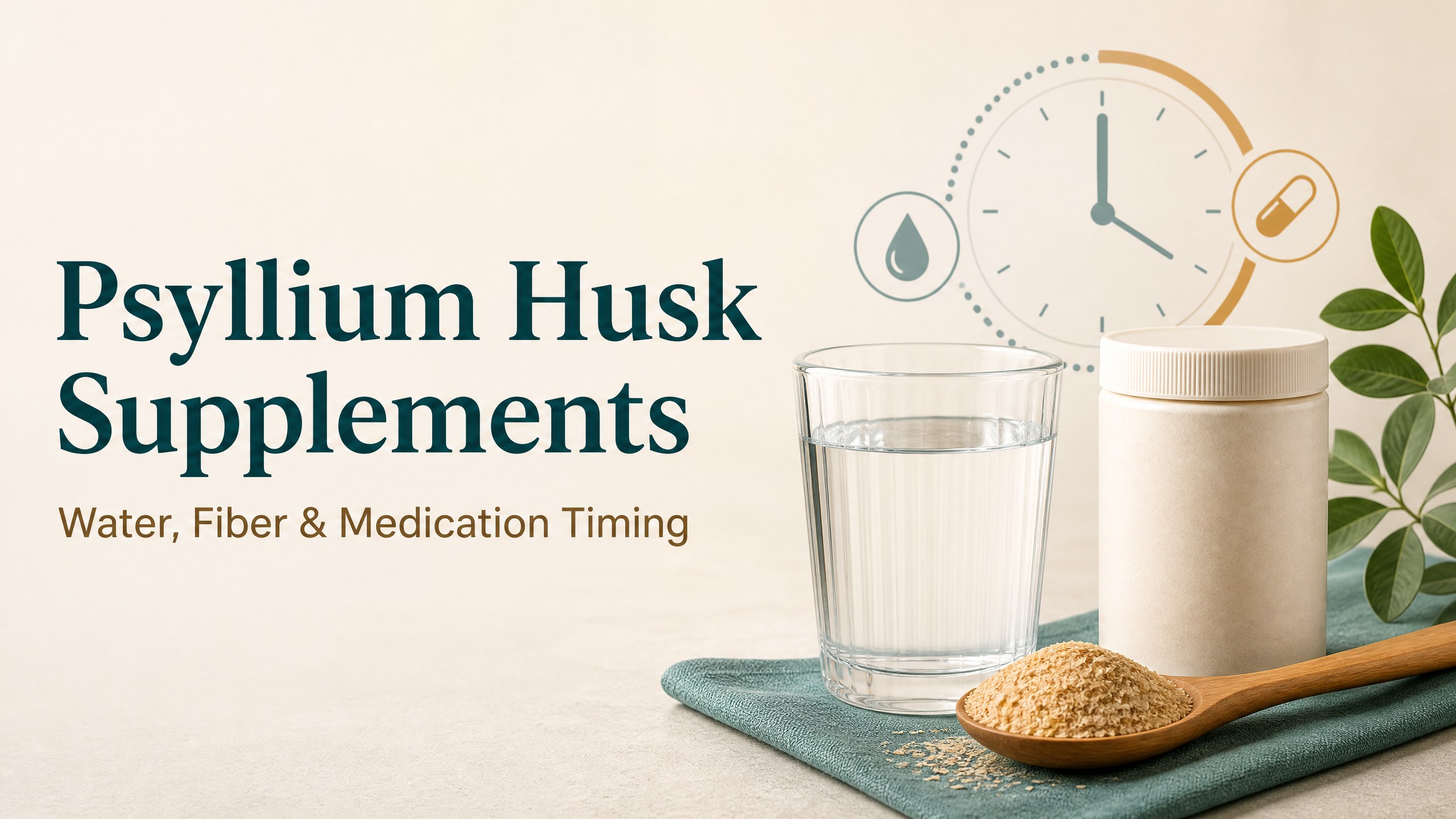
Psyllium Husk Supplements: How Fiber Amount, Water, and Medication Timing Matter
Psyllium husk is a soluble fiber commonly used in fiber supplements. Its effects depend on how much you take, how much water you use, and… Read guide →
-
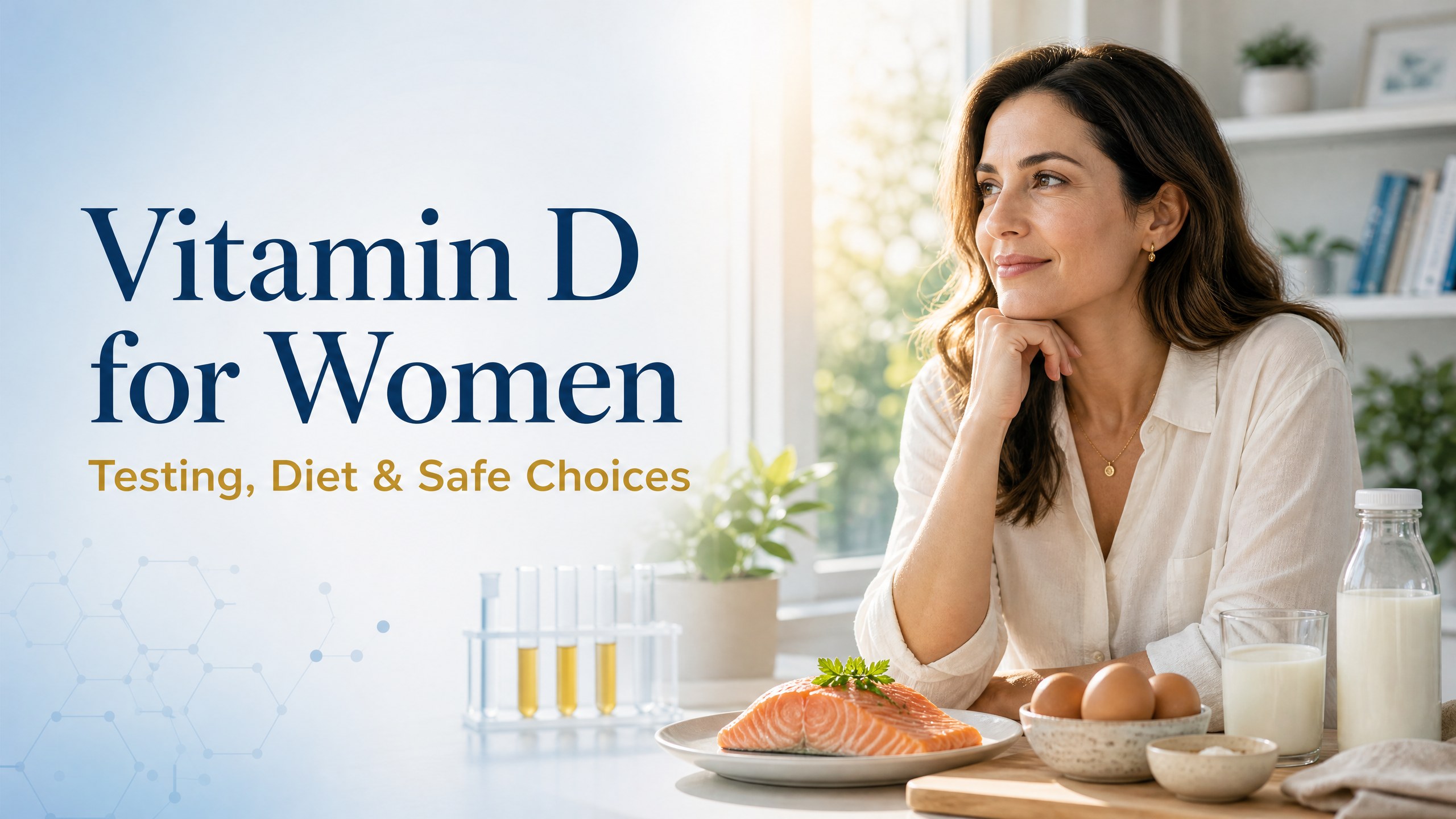
Vitamin D for Women: When Testing and Diet Matter More Than Guessing a Dose
Vitamin D supports bone health and calcium absorption, but status varies widely. For many women, testing and food choices matter more than picking a supplement… Read guide →
-
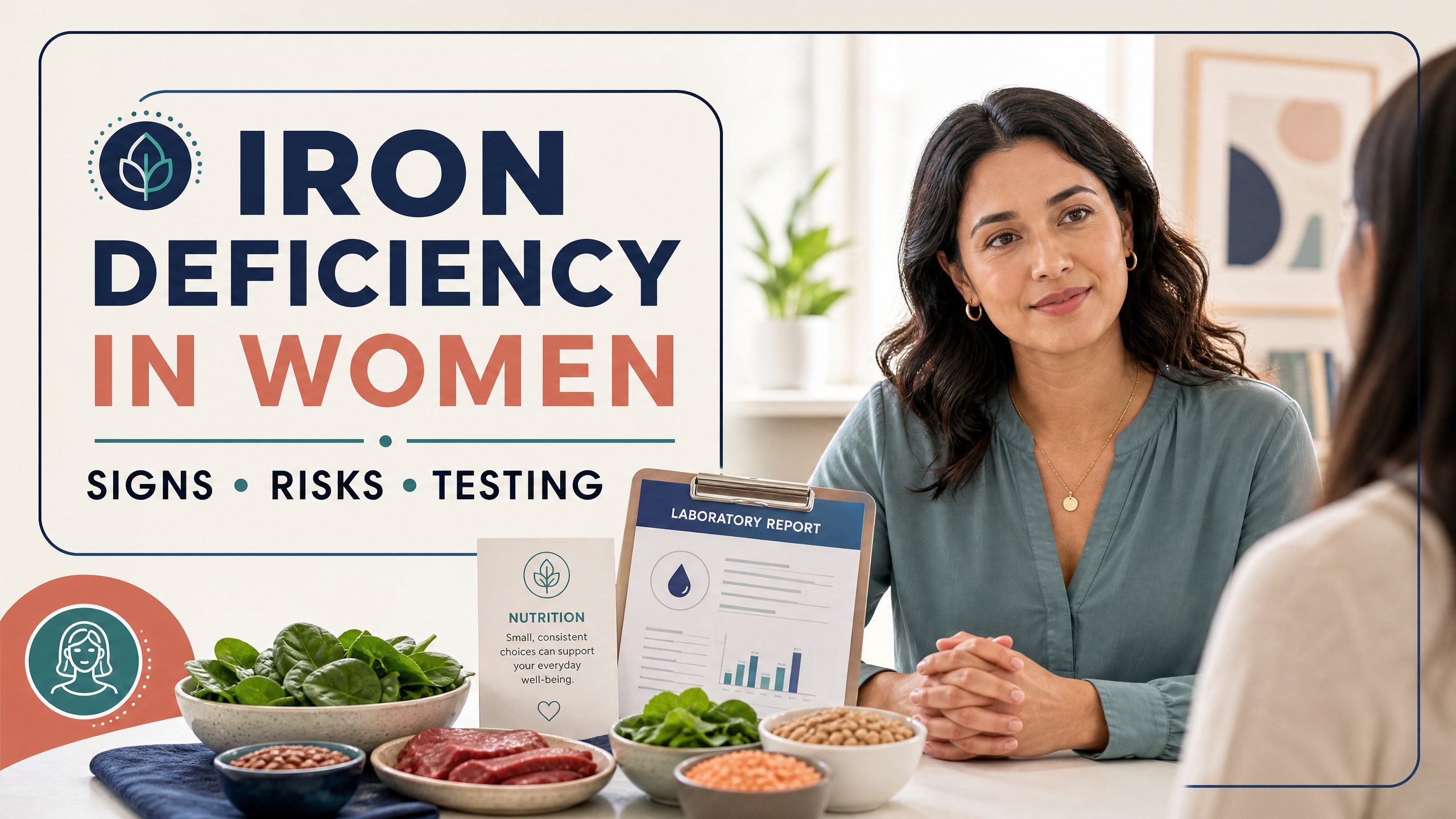
Iron Deficiency in Women: Early Signs, Risk Factors, and When Testing Matters
Iron deficiency is common in people who menstruate and in pregnant women. This article explains early signs, common risk factors, how testing is used, and… Read guide →
-
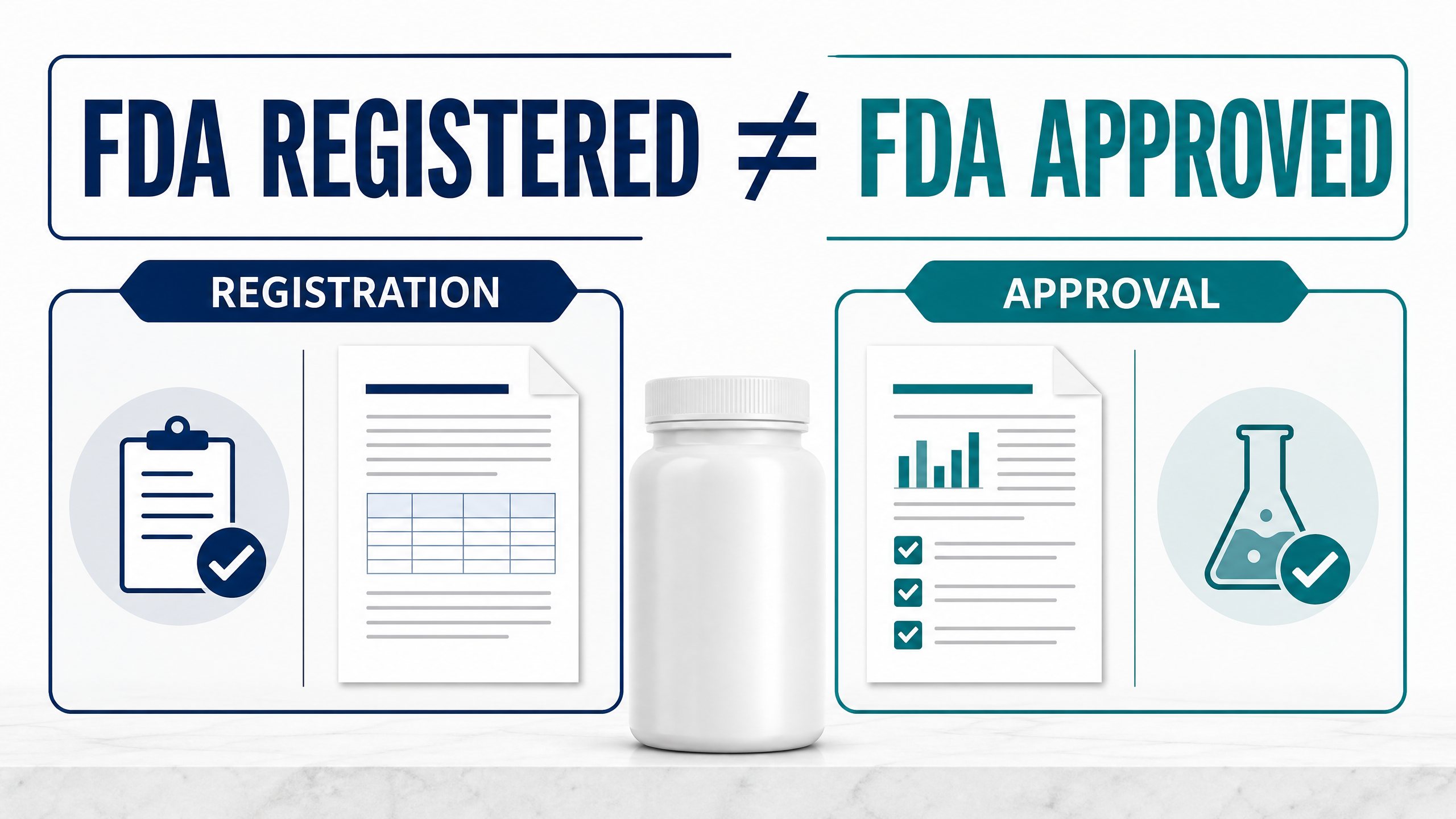
“FDA Registered” vs. FDA Approved: How to Avoid a Misleading Product Claim
A practical evidence-based guide to “fda registered” vs. fda approved: how to avoid a misleading product claim, with verification steps and safety limits. Read guide →
-
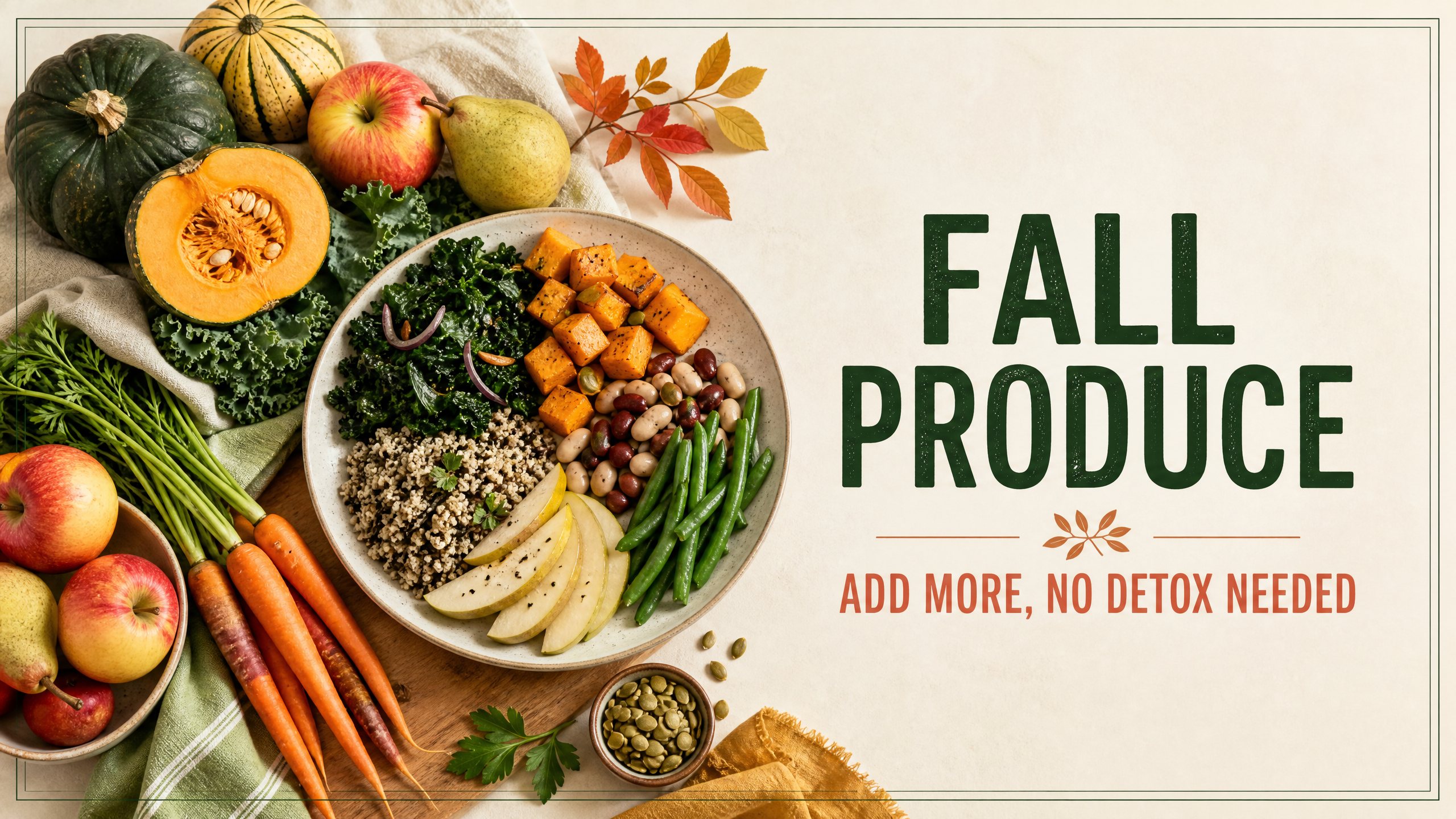
Fall Seasonal Produce: How to Add More Fruits and Vegetables Without a Detox Plan
Use fall produce like apples, squash, and leafy greens to boost vegetable and fruit intake with simple swaps, soups, snacks and storage tips — guided… Read guide →
-
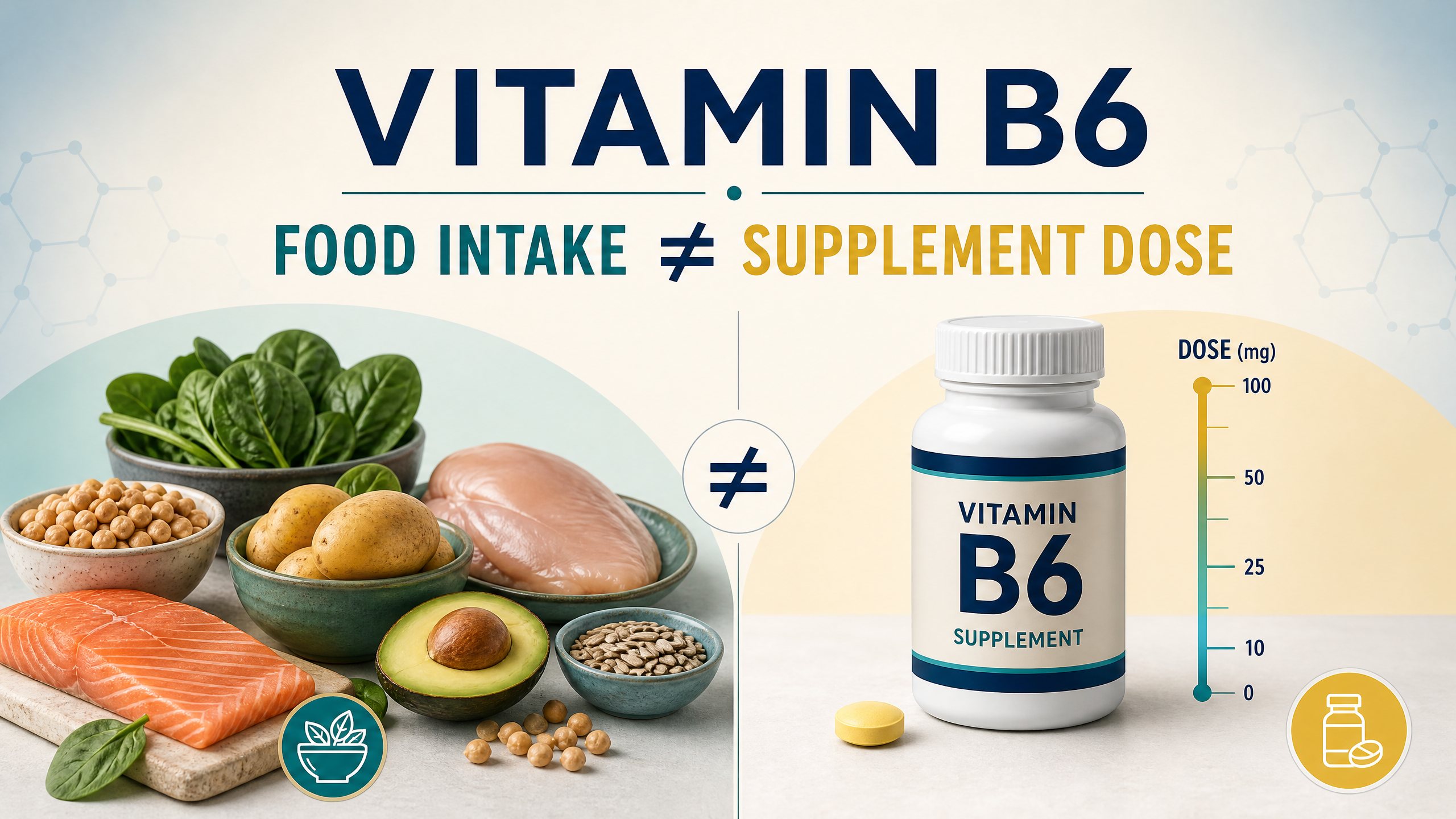
Vitamin B6 Excess: How Supplement Doses Can Differ From Food Intake
Vitamin B6 from food is unlikely to cause harm, but supplements can provide much larger doses. This article explains how supplement amounts compare to dietary… Read guide →
-
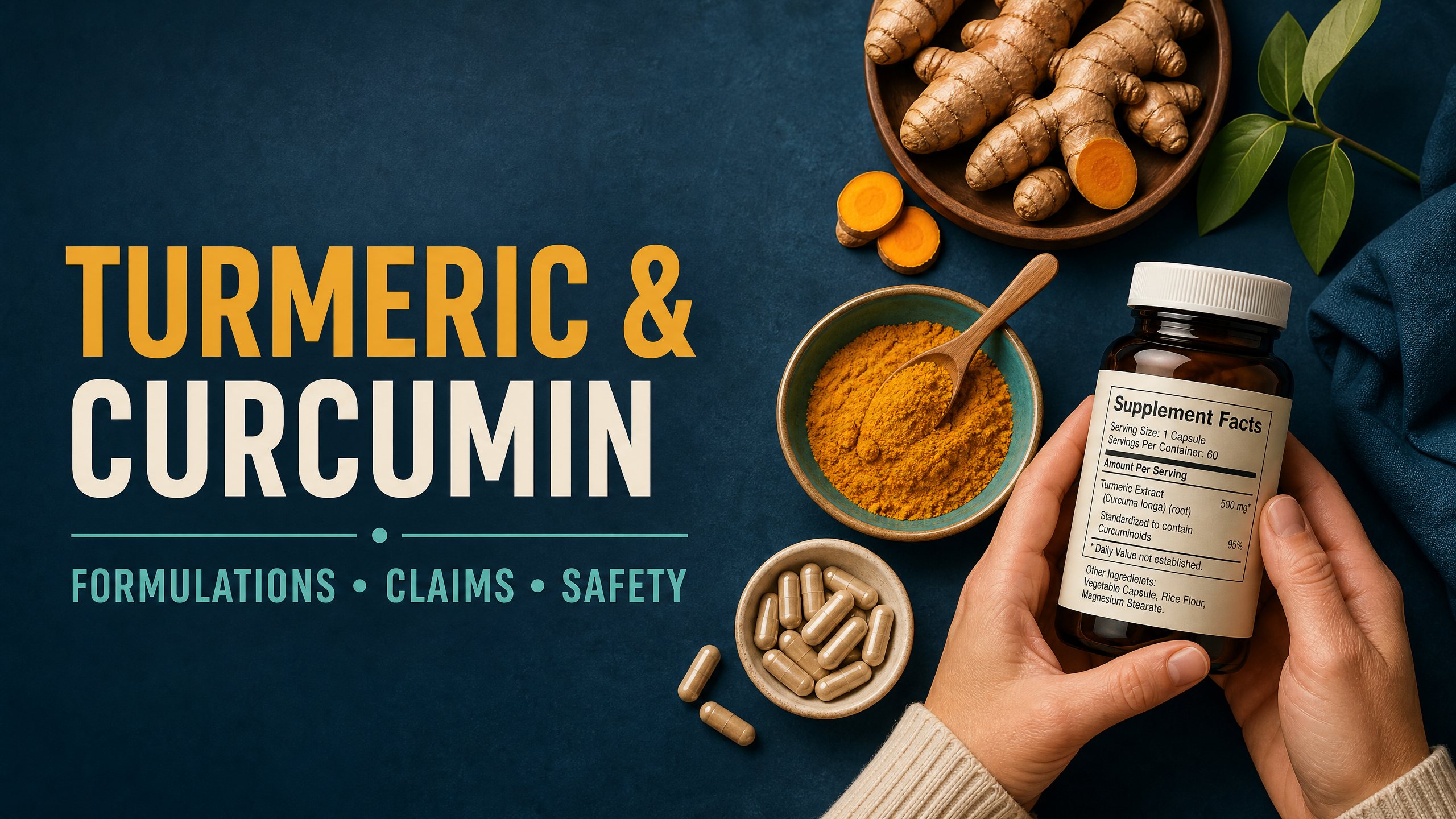
Turmeric and Curcumin Supplements: Formulations, Absorption Claims, and Safety
Turmeric supplements often list curcumin and use special formulations that claim better absorption. Learn how these products differ, what the evidence and regulatory sources say… Read guide →
-
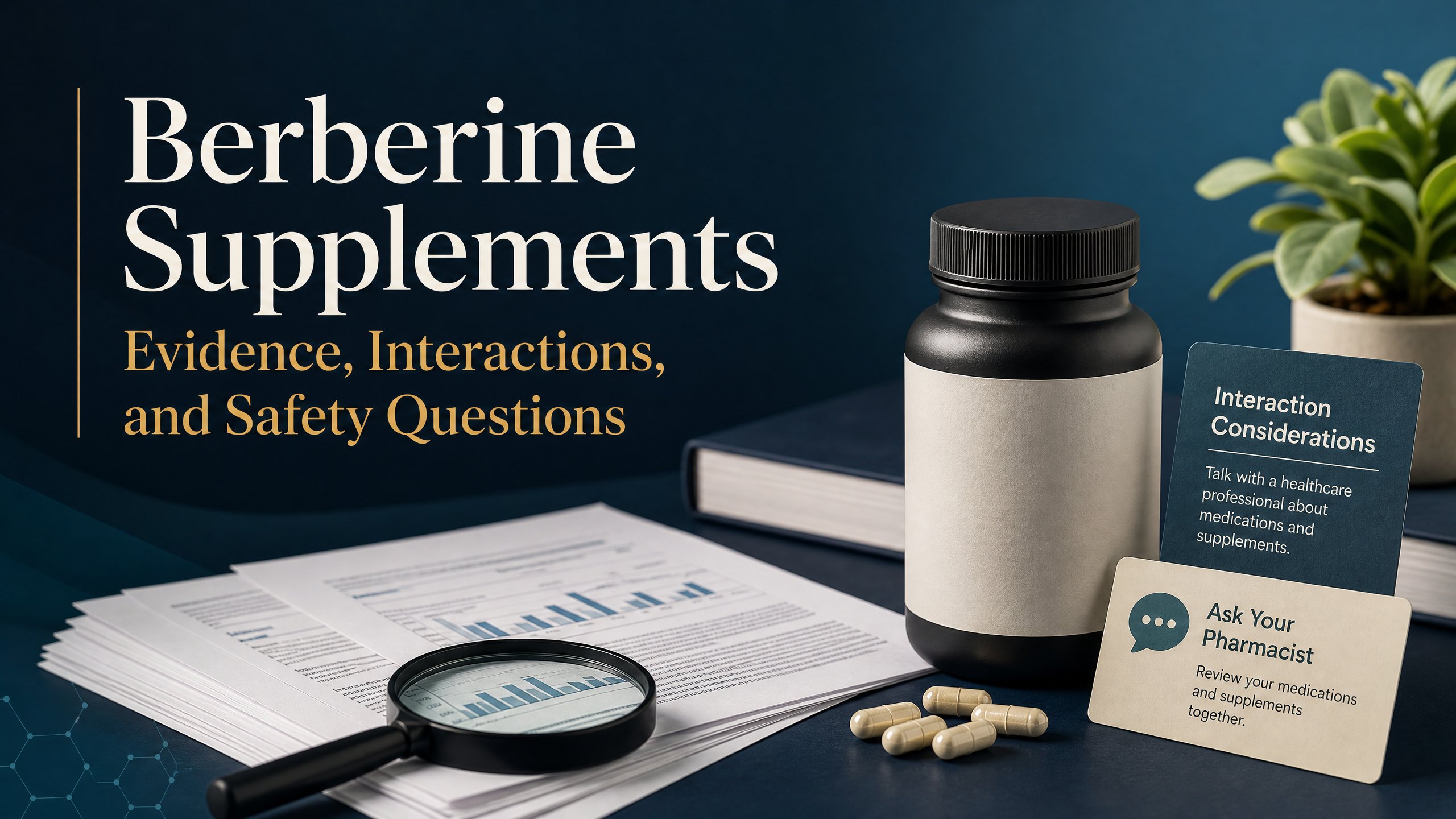
Berberine Supplements: What the Research Shows and Why Medication Interactions Matter
Berberine is sold as a dietary supplement and has attracted research interest, but evidence is preliminary and interactions with prescription medicines can be important. Learn… Read guide →
-
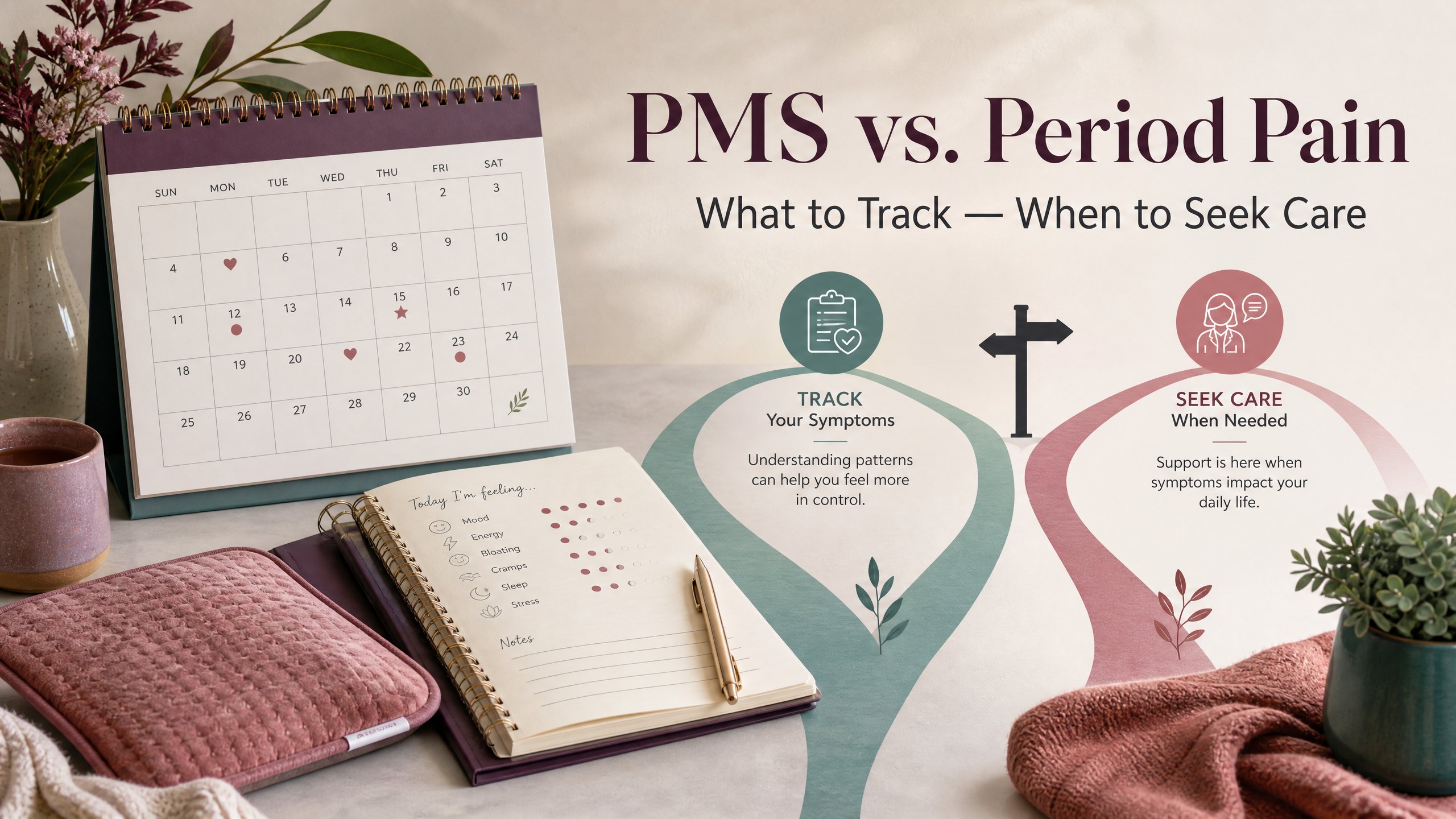
PMS vs. Period Pain: What the Difference Can Mean and When to Seek Care
PMS and menstrual cramps can both make the days around your period difficult, but they differ in timing, symptoms, and causes. Understanding those differences helps… Read guide →
-
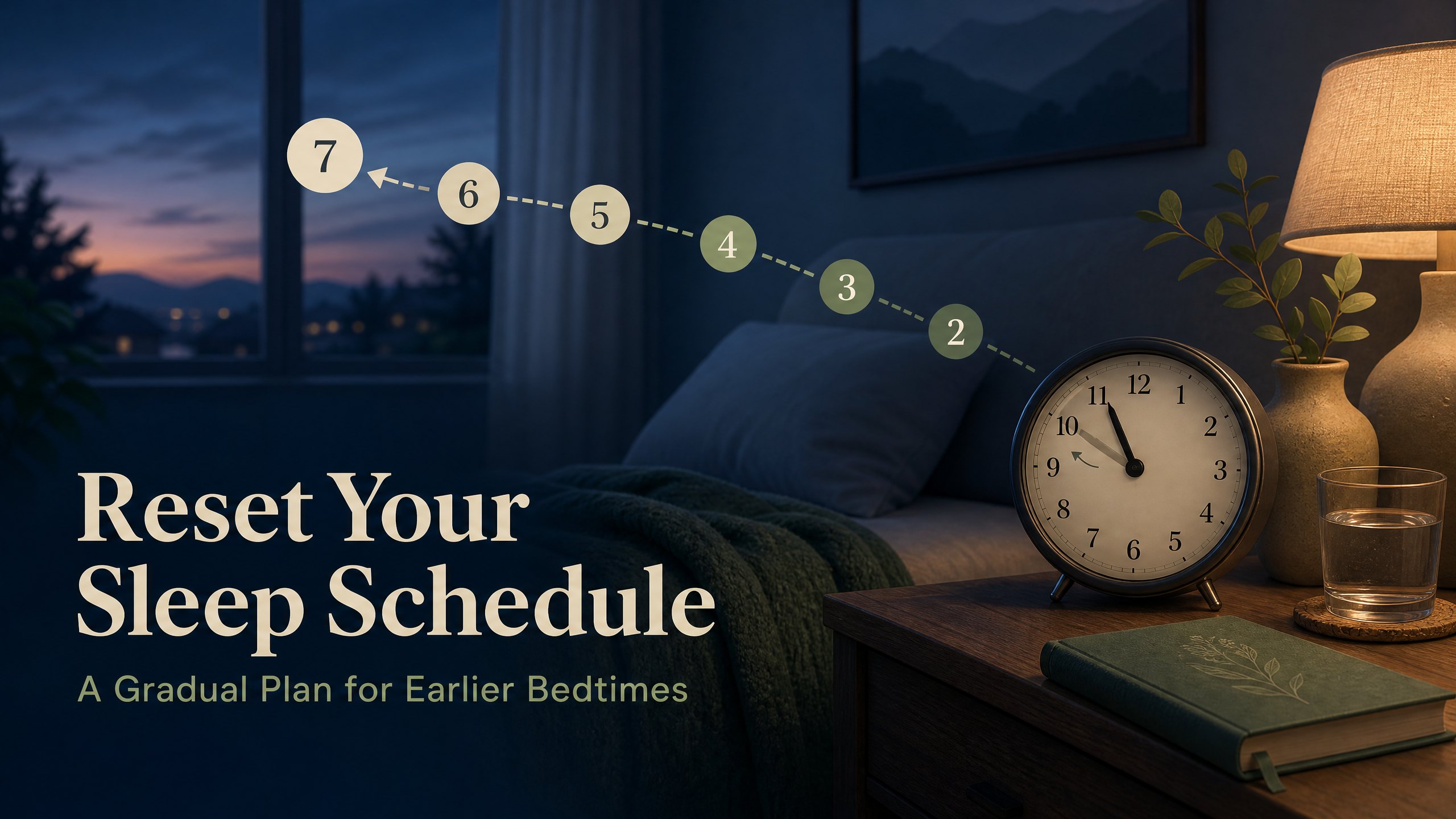
Resetting a Sleep Schedule After Summer: A Gradual Plan for Earlier Bedtimes
A practical evidence-based guide to resetting a sleep schedule after summer: a gradual plan for earlier bedtimes, with realistic expectations and safety limits. Read guide →
-
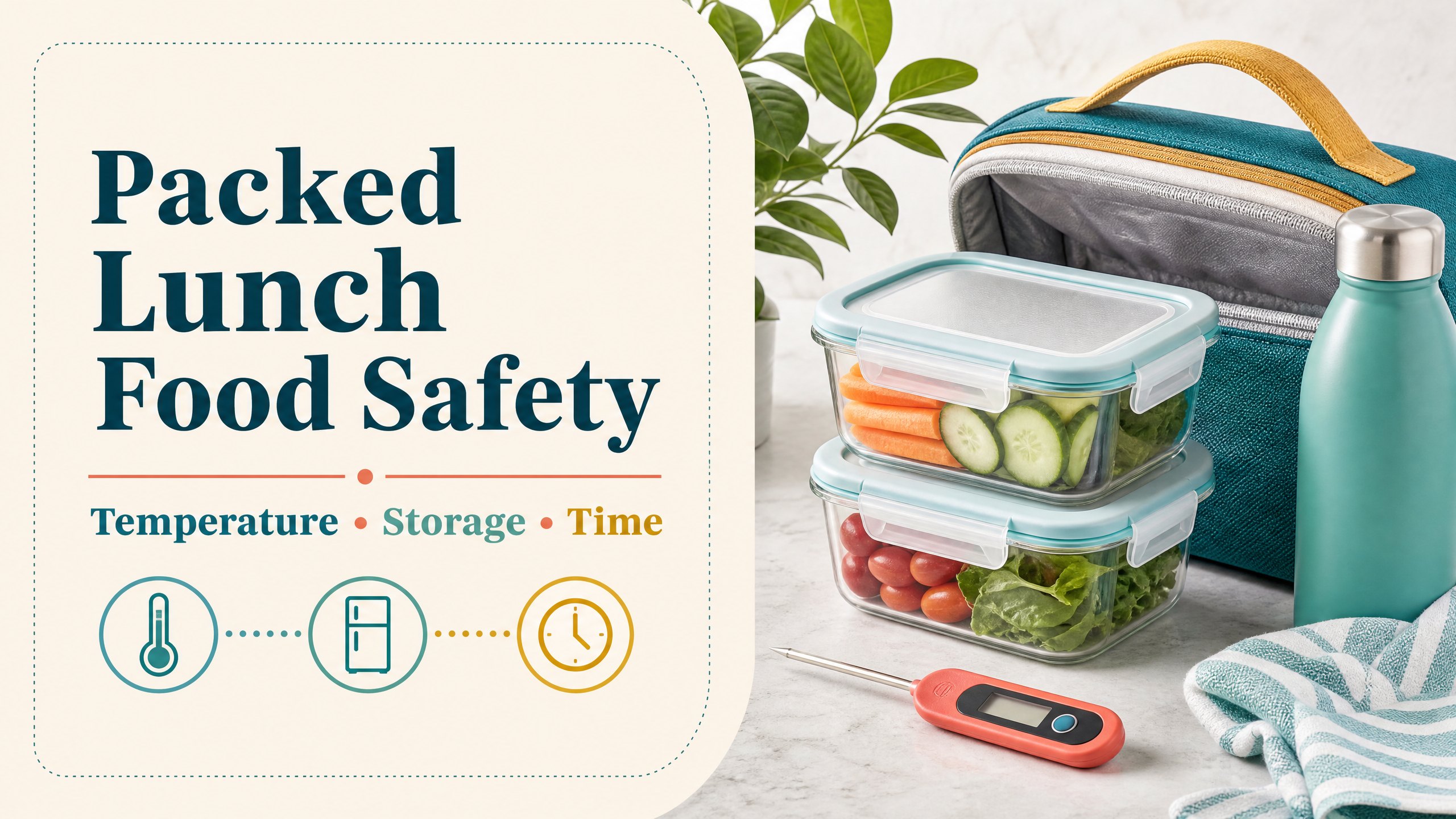
Food Safety for Packed Lunches: Temperature, Storage, and Time Rules
Keep packed lunches safe by keeping cold foods cold and hot foods hot, limiting time in the ‘danger zone,’ using insulated containers and cold packs,… Read guide →
-
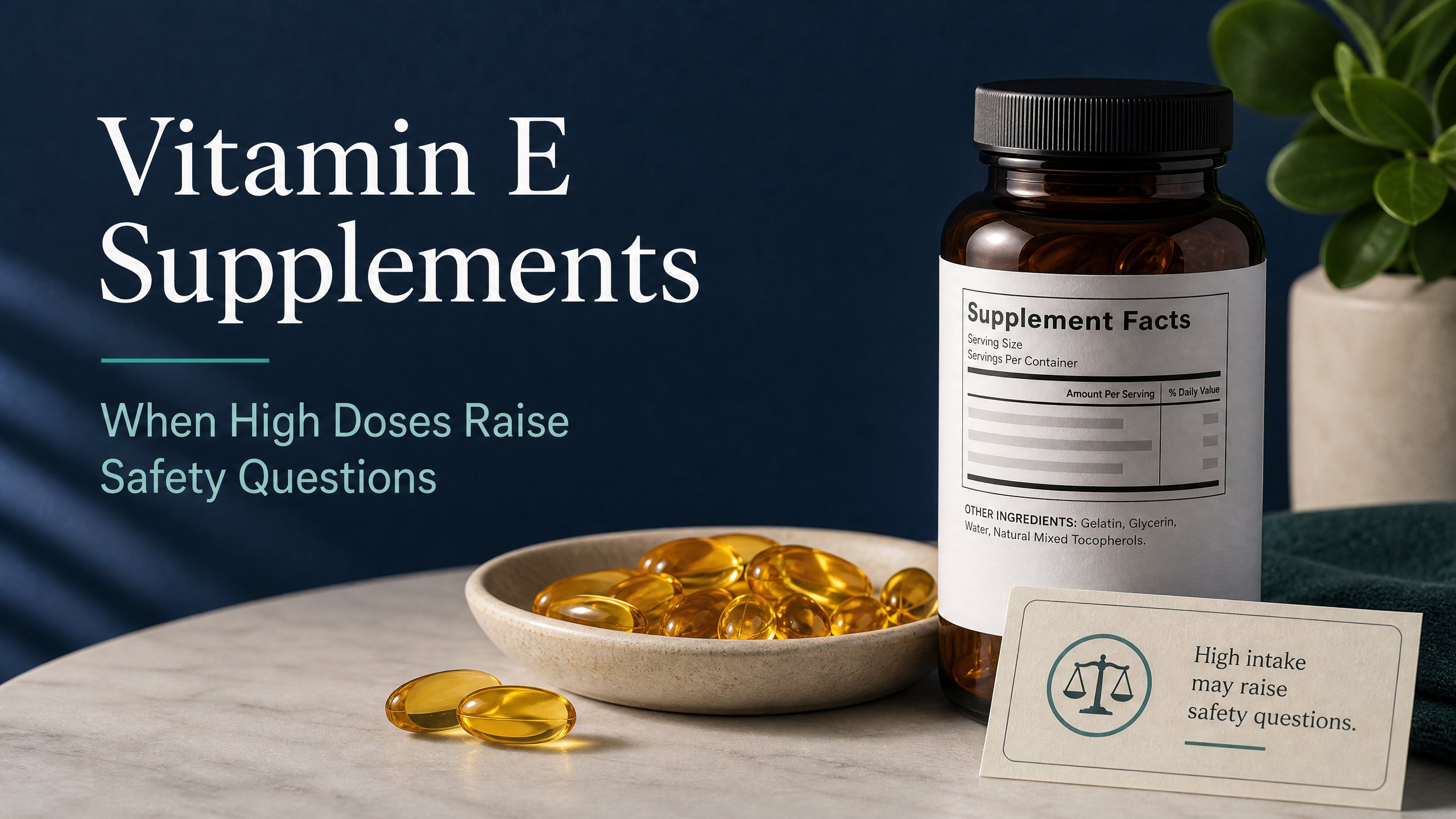
Vitamin E Supplements: When High Doses May Create Safety Questions
Vitamin E is an essential nutrient, but high-dose supplements have been linked to safety concerns. Learn when to be careful, how to read labels, and… Read guide →