In this guide
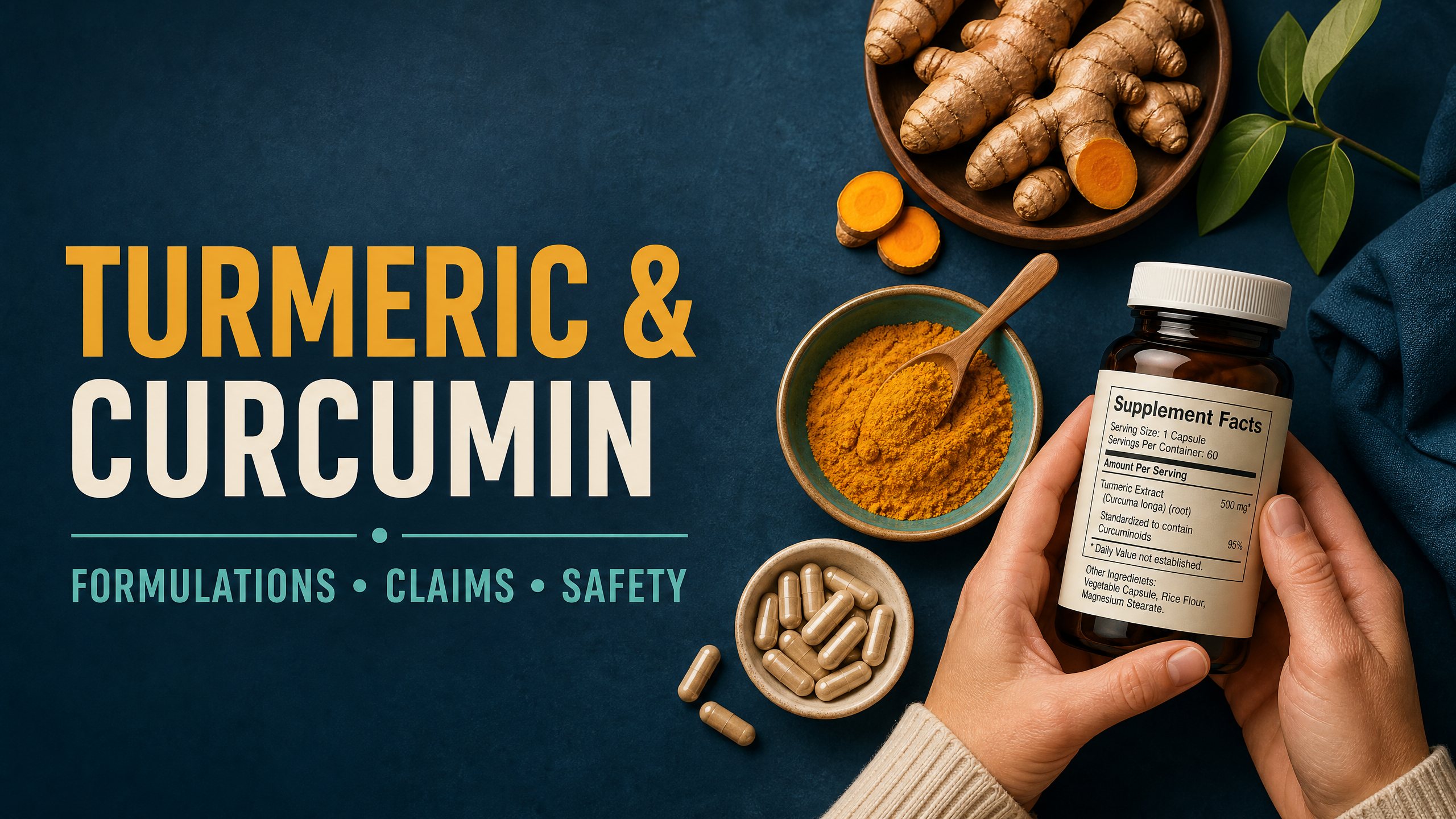
Turmeric is a spice derived from the root of Curcuma longa. Many dietary supplements contain whole turmeric root powder, standardized turmeric extracts, or isolated extracts of curcuminoids (the plant compounds including curcumin). People take these products for a variety of reasons. This article summarizes common formulations, what is known about absorption claims, and safety considerations based on official federal resources.
Formulations you’ll see on labels
Supplement products typically present turmeric-related ingredients in a few ways:
- Turmeric or turmeric root powder — whole-root preparations.
- Curcuminoid or curcumin extracts — concentrated extracts that list “curcuminoids” or “curcumin” on the Supplement Facts panel.
- Curcumin combined with other ingredients intended to enhance absorption — common examples on labels include black pepper extract (piperine), phospholipid complexes, liposomal preparations, or various proprietary delivery systems.
To see how individual products list ingredients and serving sizes, federal databases collect label and ingredient information: the Dietary Supplement Label Database (DSLD) and the Dietary Supplement Ingredient Database (DSID).
What the “better absorption” or “enhanced bioavailability” claims mean — and what’s known
Manufacturers frequently market turmeric/curcumin supplements with claims about improved absorption or “bioavailable” formulations. Federal guidance and research reviews note a few general points:
- Curcuminoids in standard turmeric extracts are recognized as having limited oral bioavailability in their unmodified form.
- Some formulations (for example, adding piperine from black pepper) are designed to increase the amount of curcuminoids entering the bloodstream. Clinical evidence about how these changes in absorption translate to health outcomes is variable and depends on the specific formulation and the clinical question being studied.
- Claims about absorption or health effects are structure/function claims when they describe how a nutrient affects the normal structure or function of the body; such claims do not imply that a product is approved by the U.S. Food and Drug Administration (FDA). The FDA does not pre‑approve dietary supplements for safety or effectiveness before marketing.
In short, some products can increase measured curcuminoid levels in the blood compared with plain curcumin, but higher blood levels are not automatically proof of clinical benefit. Evidence for specific health benefits depends on the condition, the dose, and the product formulation and is still an active area of research.
Practical label-reading tips
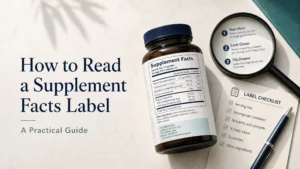
When comparing turmeric or curcumin products, use the label to help evaluate what you are buying:
- Check the Supplement Facts panel for the exact ingredient name (turmeric root, turmeric extract, curcuminoids, curcumin) and the amount per serving.
- Look for other active ingredients that affect absorption (for example, piperine/black pepper) listed on the Supplement Facts or the ingredient list.
- Note the form (capsule, tablet, powder, liquid) and serving size—some products require multiple capsules to reach the amount stated per serving.
- Review the “Other ingredients” to see fillers, preservatives, or allergenic ingredients if you have sensitivities.
- Check for a manufacturer name, lot number, and expiration or best-by date; use the Dietary Supplement Label Database (DSLD) and the Dietary Supplement Ingredient Database (DSID) to compare label information across products.
Remember that supplement labels may include structure/function claims (for example, “supports joint comfort”) but cannot legally claim to diagnose, treat, cure, or prevent disease without FDA approval. The FDA provides consumer information on how dietary supplements are regulated.
Safety, interactions, and precautions
Official resources advise caution and emphasize consultation with a health care professional before starting supplements. Key safety points include:
- Adverse effects: Some people report gastrointestinal upset with turmeric or curcuminoid supplements. Serious adverse events are less common but any unexpected symptoms should prompt medical evaluation.
- Drug interactions: Turmeric and curcumin supplements can interact with some medications. For example, interactions with blood-thinning (anticoagulant/antiplatelet) drugs and with agents that lower blood glucose have been noted as possibilities; talk with your clinician or pharmacist if you take prescription medicines.
- Medical conditions and pregnancy: If you are pregnant, breastfeeding, have a chronic medical condition, or are planning surgery, discuss any supplement use with your health care team.
- Product variability: Dietary supplements can differ widely in ingredient content and purity. Because supplements are not FDA‑approved before marketing, product quality may vary across brands.
These are general precautions; specific interactions and risks depend on the individual, the medication, and the product formulation. Reliable federal resources can help you check labels and get authoritative information.
When to seek care
Stop the supplement and seek immediate medical care for signs of a severe allergic reaction (difficulty breathing, swelling of the face or throat), severe abdominal pain, persistent vomiting or diarrhea, yellowing of the eyes or skin, or unexplained bleeding or bruising. Contact your clinician promptly for new or concerning symptoms or if you plan to stop or start prescription medications while using supplements.
Putting it together
Turmeric and curcumin supplements come in many forms and often include ingredients intended to increase absorption. While some formulations raise measured curcuminoid levels in the blood, higher blood levels are not the same as proven clinical benefit. Because product composition and evidence vary, check labels carefully, consult reliable federal databases to compare products, and talk with your clinician or pharmacist about potential interactions and whether a supplement is appropriate for you.
References
- NCCIH — Herbs at a Glance
- Office of Dietary Supplements — What You Need to Know (Consumer)
- Dietary Supplement Label Database (DSLD)
- Dietary Supplement Ingredient Database (DSID)
- FDA — Dietary Supplements
Bottom line
Turmeric supplements often list curcumin and use special formulations that claim better absorption. Learn how these products differ, what the evidence and regulatory sources say about absorption claims, practical label-reading tips, and safety considerations.