
In this guide
This article explains why vitamin D and calcium are often discussed together, who might reasonably consider both nutrients, and practical steps for safe use. It is a general information article, not personalized medical advice. For decisions about supplements, talk with your clinician.
Why they’re linked
Vitamin D and calcium play related roles in bone health. Vitamin D helps the body absorb calcium from the gut; calcium is a major building block of bone. Because of that physiologic link, clinicians commonly consider vitamin D status when addressing calcium intake and vice versa.
When combining them makes sense to discuss
- People with low dietary calcium intake or limited access to calcium-rich foods.
- Older adults and postmenopausal people who are at greater risk for bone loss or fractures.
- People with conditions that impair vitamin D production or absorption, such as limited sun exposure, certain types of bariatric surgery, or some malabsorption syndromes.
- Individuals taking medications that affect bone health or vitamin D metabolism (for example, long-term glucocorticoids or some anticonvulsants).
- People diagnosed with osteoporosis or at high risk for fracture, where clinicians may consider diet, supplements, and medications together.
In these situations, clinicians may evaluate dietary intake, consider blood testing for vitamin D status, and discuss whether supplements are appropriate. The evidence about benefits and risks of routine combined supplementation for the general population varies by age, sex, baseline nutrient status, and clinical risk factors; individualized assessment is important.
Safety considerations and interactions
- Too much vitamin D can raise blood calcium (hypercalcemia). Symptoms of high calcium can include nausea, weakness, and confusion; persistent high calcium can have serious consequences. Discuss blood testing and dosing with your clinician if you are considering high-dose vitamin D.
- High calcium intake from supplements can cause side effects for some people and may interact with certain medical conditions. If you have kidney disease, a history of kidney stones, or other chronic conditions, talk with your clinician before starting supplements.
- Calcium supplements can affect the absorption of several prescription medicines (for example, some antibiotics and bisphosphonates). To avoid interactions, clinicians often recommend separating the timing of calcium supplements and certain medications.
- Certain medicines affect vitamin D metabolism (for example, some anticonvulsants and glucocorticoids). If you take regular prescription medications, review potential interactions with your clinician or pharmacist.
How to read supplement labels
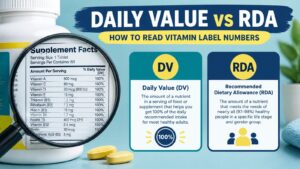
- Check the amount per serving and the % Daily Value (DV) on the label. The U.S. Food and Drug Administration defines DVs that help compare products; the NIH Office of Dietary Supplements also provides nutrient guidance.
- For vitamin D, labels indicate the form (usually vitamin D2 or D3). Both forms are used in supplements. If you’re unsure which is right for you, ask a clinician.
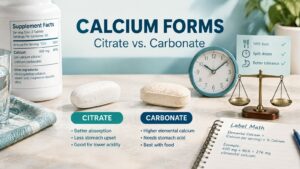
- For calcium, the type matters for absorption and for how to take it. Calcium carbonate often requires taking with food; calcium citrate can be taken with or without food. The actual elemental calcium amount is what matters—labels may list the total salt weight and the elemental calcium separately.
- Look for other added ingredients (for example, multivitamin combinations) so you don’t unintentionally take more than you need of a nutrient by using multiple products.
- Remember that dietary supplements are regulated differently from drugs. The FDA does not approve dietary supplements for safety and effectiveness before they reach the market; manufacturers are responsible for ensuring product labels and claims are accurate.
Practical steps before starting supplements
- Assess your diet: many people get some vitamin D and calcium from foods and fortified products.
- Discuss with your clinician whether blood testing for vitamin D (25-hydroxyvitamin D) is appropriate for you.
- Review current medications to check for interactions.
- If supplements are recommended, follow the clinician’s guidance on product choice, timing, and dose and recheck as advised.
When to seek care
- New symptoms such as persistent nausea, vomiting, severe weakness, confusion, or decreased urination after starting a vitamin D or calcium supplement.
- If you have a chronic condition (kidney disease, hyperparathyroidism, history of kidney stones) and are considering supplements.
- If you’re taking prescription medicines and are unsure about possible interactions.
Bottom line
Vitamin D and calcium are linked physiologically and are often discussed together for bone health. The combination may be relevant for older adults, people with low dietary intake or certain medical conditions, and anyone on medications that affect bone or vitamin D metabolism. Because benefits and risks depend on individual factors—diet, health status, medications, and blood levels—talk with your clinician before starting supplements. Read labels carefully, watch for interactions, and seek care for concerning symptoms.
Note: This is general information. For personalized medical advice about supplements, consult your health care provider.