In this guide
This article explains why balancing copper and zinc matters, especially when using supplements long term. It summarizes what official U.S. sources say about how these two minerals interact, what can go wrong with prolonged high-dose use, how to read supplement labels, and when to seek medical care. This is general information, not personalized medical advice.
Why balance matters
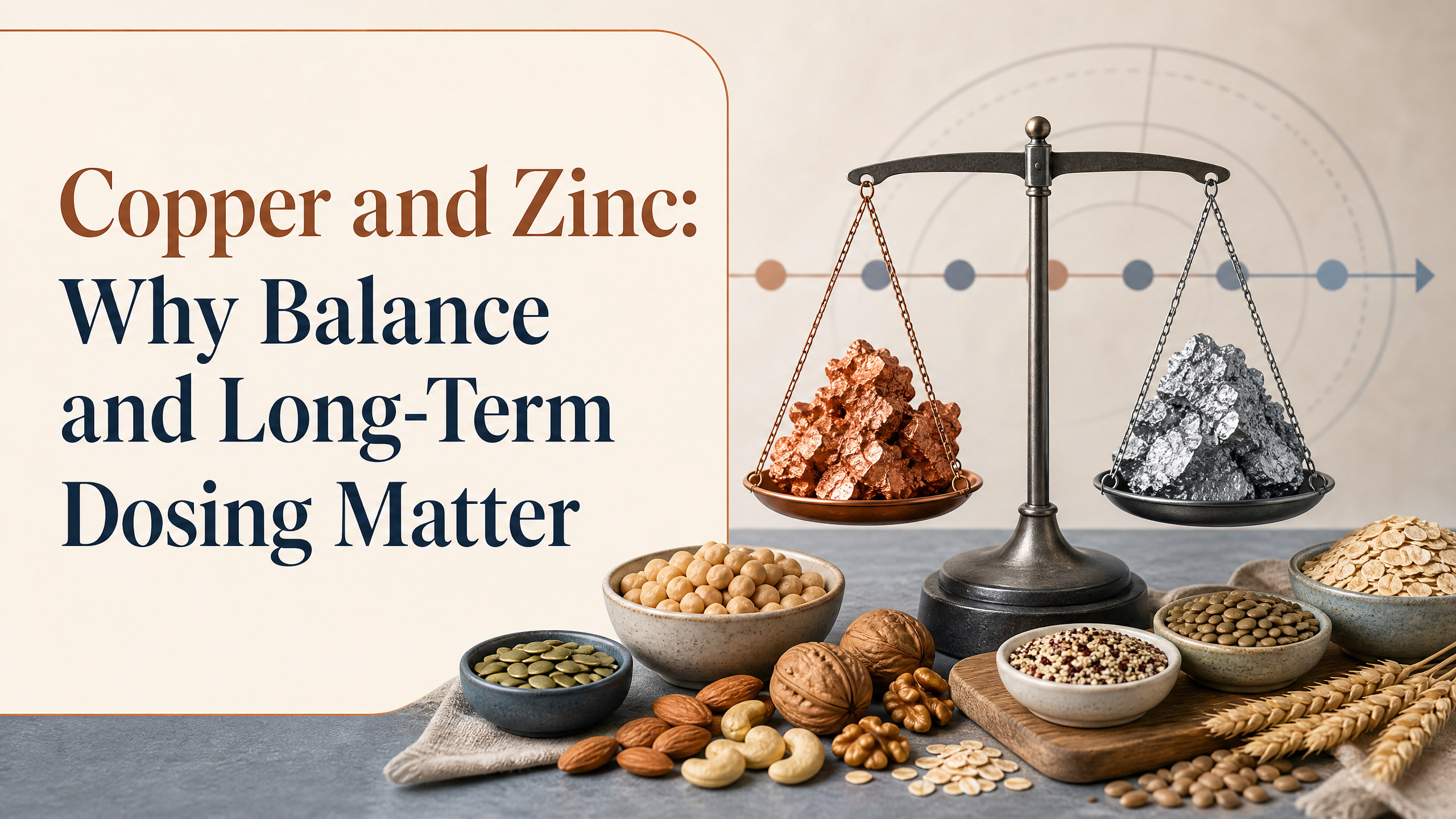
Copper and zinc are essential trace minerals with different roles in the body. They share absorption pathways in the gut, so high intake of one can reduce absorption of the other. Official information from the National Institutes of Health Office of Dietary Supplements (NIH ODS) highlights that long-term high zinc intake can lead to copper deficiency. Conversely, disorders of copper handling affect overall mineral balance.
From the NIH ODS: excessive zinc intake can cause copper deficiency; copper deficiency can cause anemia and neurologic problems. See the ODS fact sheets for details.
Because of these interactions, using single‑mineral supplements at high doses for long periods can upset the balance of trace minerals and lead to health effects that may be hard to reverse.
What the evidence and official sources say
- NIH ODS fact sheets for Zinc and Copper describe their roles, deficiency signs, and interactions. They note that high zinc intake over time has been associated with reduced copper status.
- The NIH materials recommend using authoritative nutrient recommendations and daily values to guide intake and warn that long-term high intakes can be harmful.
- The U.S. Food and Drug Administration (FDA) reminds consumers that dietary supplements are not reviewed and approved by FDA the way drugs are; label claims may not be evaluated for safety or benefit in individual situations.
Common problems from imbalance
- Long-term high zinc intake may reduce copper absorption and eventually cause copper deficiency, which the NIH notes can lead to blood cell changes and neurologic symptoms.
- Excess copper intake is uncommon from food alone; however, inappropriate supplement use or certain medical conditions affect copper status and require medical supervision.
Label‑reading guidance
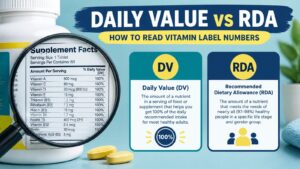
- Check the Supplement Facts panel for the amount of elemental zinc or copper per serving and the percent Daily Value (DV). Compare that to authoritative guidance from NIH ODS before using long term.
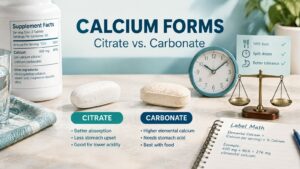
- Note the form of the mineral (for example, zinc gluconate, zinc sulfate, copper gluconate). The label should give the amount of elemental mineral—this is what matters physiologically.
- If you take a zinc supplement frequently, look for a multivitamin or separate product that includes copper or talk with a clinician about monitoring, rather than assuming a single high-dose product is safe long term.
- Look for other ingredients and for potential drug-supplement interactions listed on the label or product website, and check for independent third‑party testing seals if product quality is a concern.
Interactions, contraindications, and monitoring
- High levels of zinc can interfere with copper absorption. If you are taking long‑term zinc supplements, a clinician may recommend monitoring blood counts and measures of copper status.
- Some medications and conditions affect mineral absorption or increase risk. For example, people with disorders that alter copper handling need medical supervision; do not self‑treat with supplements.
- Zinc can interact with certain prescription antibiotics and other drugs—check the NIH ODS Zinc fact sheet and your medication guides, and discuss with your clinician or pharmacist.
When to seek care
- If you develop new or unexplained symptoms after starting mineral supplements—such as persistent gastrointestinal symptoms, fatigue, unusual bruising or bleeding, numbness or tingling, or weakness—see a healthcare professional.
- If you have a medical condition that affects mineral metabolism (for example, liver disease or a diagnosed trace‑mineral disorder), consult your clinician before starting or changing supplement doses.
- If you take prescription medications, check for interactions with supplements and talk with your clinician or pharmacist before beginning long‑term use.
Practical approach
Before starting long‑term zinc or copper supplements:
- Review your total intake from food and any multivitamins or fortified foods.
- Use NIH ODS resources or discuss with a clinician to understand recommended intakes and the rationale for any supplement.
- Prefer short-term, targeted supplementation when treating a diagnosed deficiency and arrange appropriate follow‑up and laboratory monitoring rather than indefinite self‑treatment.
Bottom line
Copper and zinc interact in the body, and long‑term high‑dose supplementation of one can affect the other’s status. Official U.S. sources advise caution: use supplements only when needed, be mindful of total intake, read labels for elemental amounts, and consult a clinician if you plan to take minerals long term or have health conditions. Supplements are not FDA‑approved medicines and should not replace medical care.