In this guide
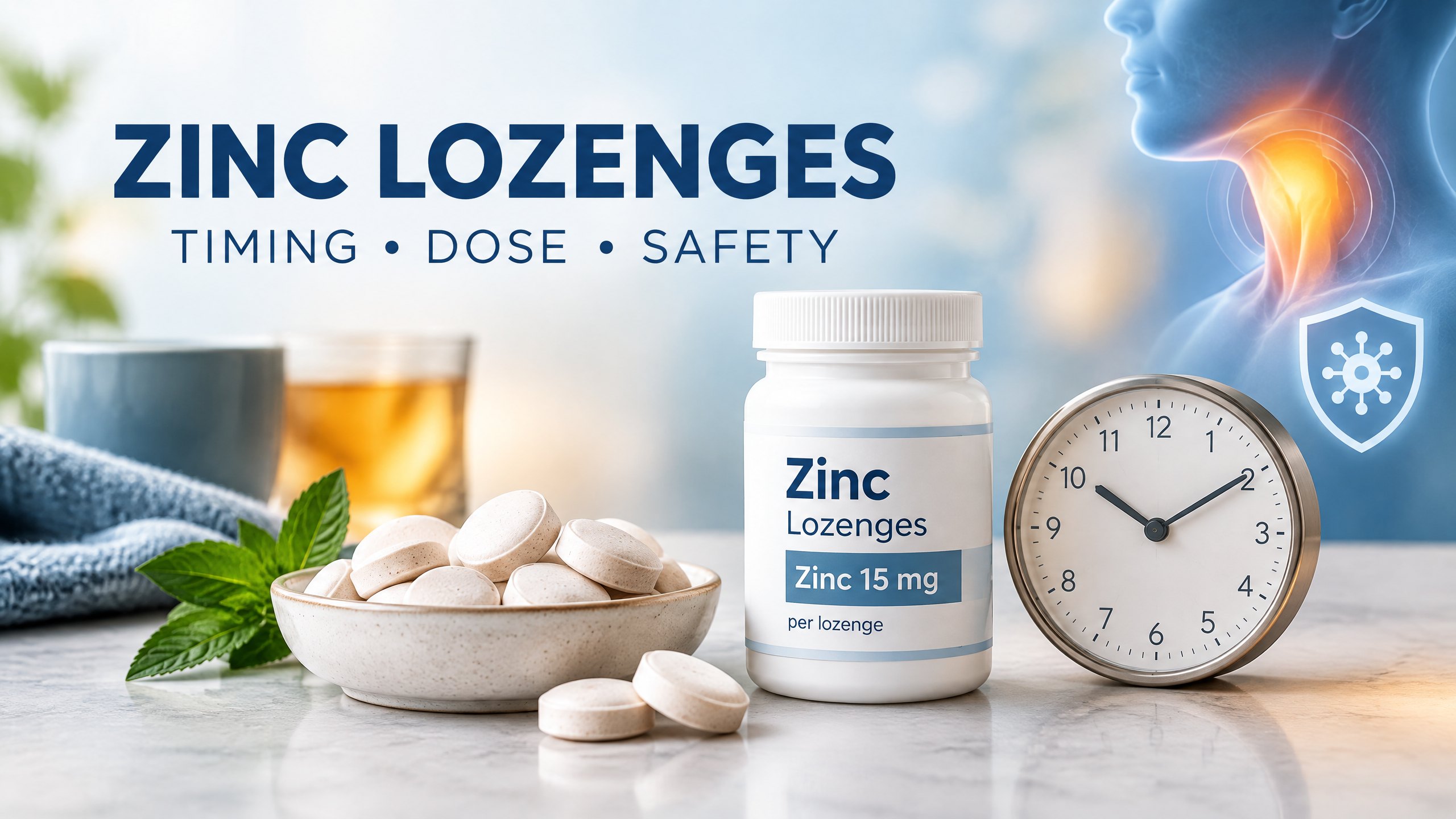
This article summarizes official U.S. government guidance and consumer-facing information about zinc lozenges. It explains what the evidence generally shows, how to read supplement labels to understand the amount of zinc you would actually get, important safety signals and interactions, and when to seek medical care. This is a general information article, not medical advice.
What the evidence says
The National Institutes of Health Office of Dietary Supplements (NIH ODS) notes that clinical trial results for zinc lozenges and the common cold are mixed. Some trials have reported a shorter duration of cold symptoms after taking zinc lozenges, while others found little or no benefit. Outcomes appear to vary by lozenge formulation and by how soon treatment is started after symptoms begin. Overall, the evidence is not consistent enough for a definitive recommendation.
Timing: when people usually start lozenges
Trials that reported potential benefit generally started lozenges at the first sign of symptoms. That pattern in the research is why timing—starting early in an illness—is commonly emphasized in summaries of the evidence. That said, starting early does not guarantee benefit, and the degree of effect differs across studies.
Label dose: what to look for on the product label
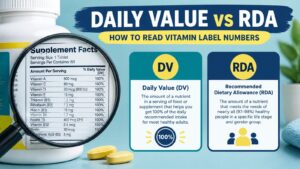
Supplement labels can be confusing. To figure out how much zinc you would get from a lozenge, look for:
- Supplement Facts panel — the amount of zinc is usually listed here.
- Elemental zinc — zinc compounds (for example, zinc gluconate or zinc acetate) contain different amounts of zinc element. The label should list the amount of elemental zinc per serving.
- Serving size and directions — note how many lozenges constitute a serving and the suggested frequency.
- Ingredient list and form — the chemical form (gluconate, acetate, etc.) is often listed under ingredients. Some research used specific forms, but results vary.
- Other active ingredients — some lozenges also include vitamin C, herbs, anesthetics or sweeteners that may affect tolerability.
Follow label directions and talk with a clinician before using multiple zinc products at once. The NIH ODS advises that total daily intake from supplements and fortified foods should be considered when assessing safety.
Safety, side effects, and interactions
NIH ODS and related federal sources note several safety considerations:
- Common short-term side effects reported with zinc lozenges include an unpleasant taste and mouth or throat irritation.
- High or prolonged zinc intakes can cause adverse effects; long-term excess zinc may interfere with copper absorption and lead to low copper status. The NIH has fact sheets on zinc and on copper that explain this interaction.
- Zinc can interact with certain medications and nutrients. If you take prescription drugs or have medical conditions, check with your clinician or pharmacist before using zinc supplements.
- Dietary supplements, including zinc lozenges, are regulated differently than prescription drugs. The U.S. Food and Drug Administration (FDA) does not approve dietary supplements for safety and effectiveness before they are marketed. Manufacturers are responsible for label accuracy and quality control, though some products undergo independent third‑party testing.
Label-reading and quality
Because the FDA does not preapprove supplements, consider products that carry independent testing or verification seals from third-party organizations. The NIH Office of Dietary Supplements has guidance on reading supplement labels and checking quality. Keep all supplements out of reach of children and store them as directed.
Who should be cautious or avoid zinc lozenges
- People with known copper deficiency or those on long-term zinc supplements should discuss use with a clinician because of the risk of worsening copper status.
- Pregnant and breastfeeding people should consult their clinician before starting any new supplement.
- Anyone on regular prescription medications should check for potential interactions.
When to seek medical care
- Symptoms that are severe, rapidly worsening, or not improving after a few days.
- Difficulty breathing, chest pain, fainting, confusion, or high fever—seek urgent medical care.
- If you experience severe side effects after taking zinc lozenges, such as persistent nausea, vomiting, or signs of allergic reaction, stop the product and contact a healthcare professional.
Bottom line
Zinc lozenges have been studied for the common cold with mixed results. Some trials suggest a possible reduction in symptom duration when lozenges are started early and contain particular zinc compounds, but evidence is not consistent. Read the Supplement Facts to determine the amount of elemental zinc per lozenge, follow label directions, avoid simultaneous use of multiple zinc products, and discuss use with a clinician if you have health conditions or take prescription medications. Remember that dietary supplements are not reviewed by the FDA for approval before marketing.
Editorial note: This article is a draft for review and summarizes NIH and FDA consumer guidance. It does not replace professional medical advice.