In this guide
This article explains practical, budget-friendly ways to follow a Mediterranean-style eating pattern. It focuses on what matters most — food choices and habits that align with USDA and Dietary Guidelines principles — and offers label-reading and meal-planning tips, food-safety reminders, and when to seek care. This is general information, not individual medical advice.
What “Mediterranean-style” means in simple terms
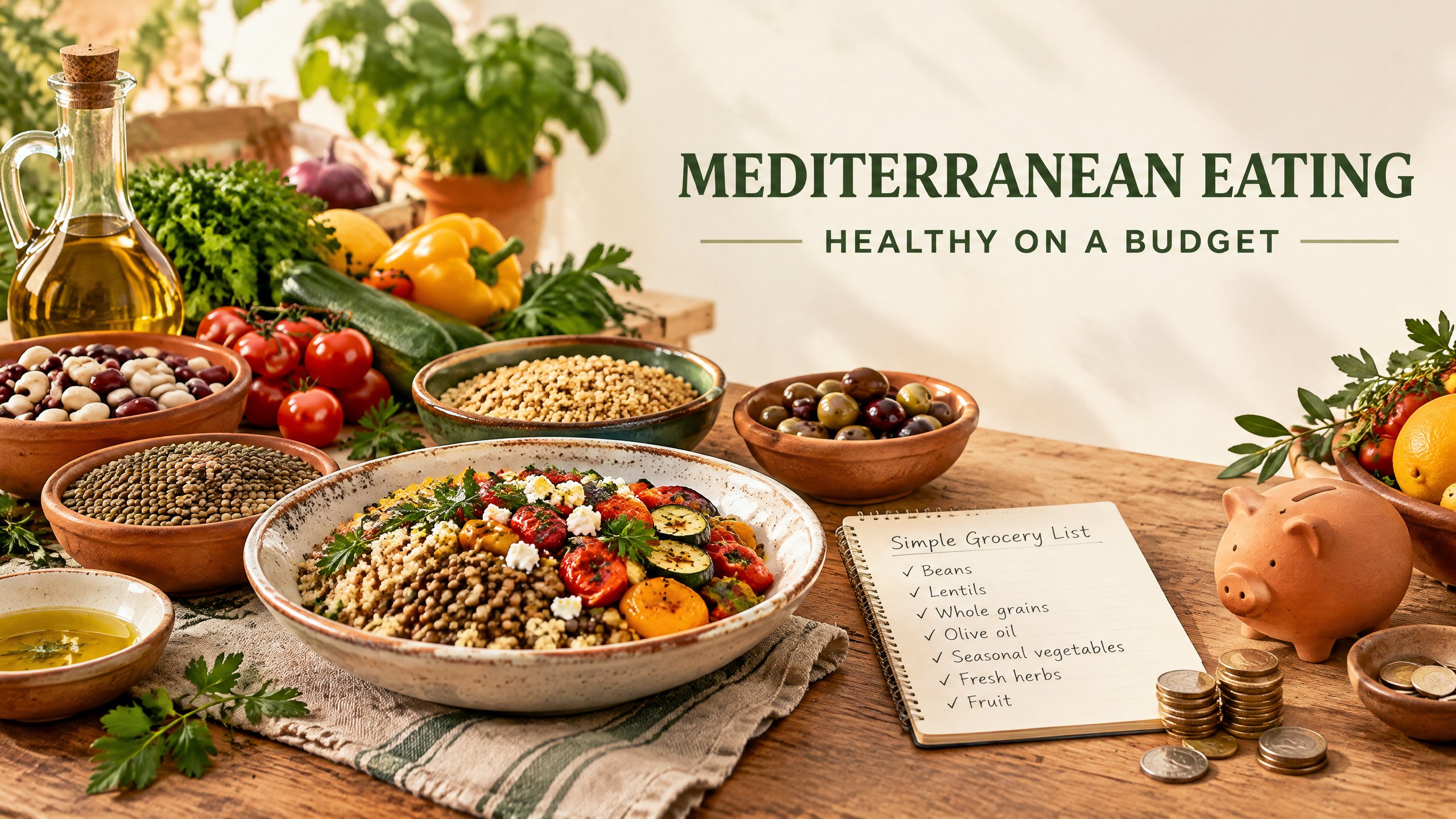
Public guidance describes a Mediterranean-style pattern as one that emphasizes fruits and vegetables, whole grains, legumes (beans, lentils), nuts and seeds, seafood, and plant oils (like olive oil), with moderate amounts of dairy and smaller amounts of red and processed meats and sweets. The Dietary Guidelines and MyPlate emphasize these same components as part of healthy eating patterns across life stages. The specific mix and portions can vary; you can capture the main principles affordably.
Budget priorities: what matters most
- Make plants the foundation: Fruits, vegetables, whole grains, and legumes are the most cost-effective building blocks. Canned or frozen produce keeps for longer and is often less expensive than fresh out of season.
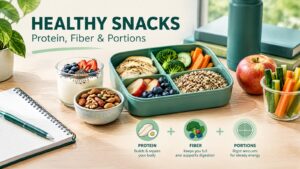
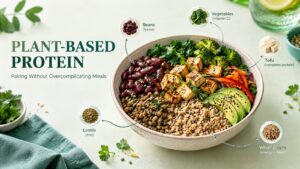
- Choose economical protein sources: Dried or canned beans and lentils, canned fish (for example, tuna or sardines in water or olive oil), eggs, and modest portions of lean meats on sale are budget-friendly ways to include protein consistent with a Mediterranean-style approach. The NIH Office of Dietary Supplements notes the role of protein in the diet; choosing affordable forms helps meet needs without overspending.
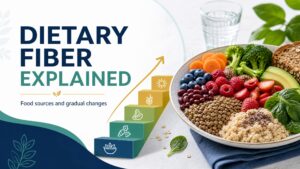
- Favor whole grains: Brown rice, whole-grain pasta, oats, and whole-grain breads are generally affordable pantry staples that increase fiber and satiety. The ODS fiber resource outlines why fiber-rich foods matter for digestion and regularity.
- Use healthy fats sparingly but deliberately: A small amount of olive oil or other vegetable oils for cooking and dressings adds flavor and follows Mediterranean-style patterns without needing expensive specialty products.
Practical shopping and meal-planning tips
- Plan meals around pantry staples: Build meals using affordable ingredients you already have: canned tomatoes, beans, whole grains, frozen vegetables, and herbs/spices.
- Buy seasonal produce or frozen/canned equivalents: Seasonal fresh produce often costs less; frozen and canned (no-salt-added or low-sodium when available) maintain nutrients and reduce waste.
- Stretch protein with legumes: Use beans or lentils to bulk up soups, stews, salads, and grain bowls so you need less meat per meal.
- Cook in batches and repurpose leftovers: Make a large pot of whole-grain pasta with tomato and bean sauce, then use leftovers for salads or wraps later in the week.
- Watch unit prices and sales: Compare unit prices (cost per ounce or per item) and buy sale items that fit your meal plan. Avoid buying treats just because they are on sale.
Label reading made useful
Use the Nutrition Facts label and ingredient list to pick more wholesome, affordable options. The FDA’s guidance on understanding the Nutrition Facts label is a helpful reference. Key things to look for:
- Serving size — compare the package serving to what you actually eat.
- Ingredients list — for whole-grain products, a whole grain should be near the top of the list.
- Fiber and added sugars — higher fiber and lower added sugars align with whole-food choices.
- Sodium — choose lower-sodium canned or packaged items when you can, and rinse canned beans to reduce sodium content.
Food-safety reminders
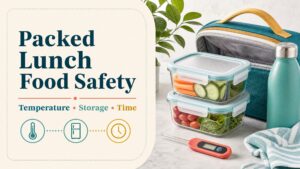
Following safe food handling and storage practices helps prevent foodborne illness. Use guidance from USDA, FDA, and the Centers for Disease Control on safe food handling, storage, and preventing cross-contamination. If you or household members have food allergies, follow FDA resources on managing food allergies and reading labels carefully.
When to seek care
- Seek immediate medical care for signs of a severe allergic reaction (difficulty breathing, swelling, hives) — see FDA food allergy information.
- Contact a healthcare provider if you develop symptoms suggestive of foodborne illness that are severe or do not improve (for example, high fever, prolonged vomiting or diarrhea, signs of dehydration) — see CDC food-safety and prevention resources.
- If you experience persistent digestive problems such as ongoing constipation or troubling abdominal symptoms, consider discussing them with your clinician; the National Institute of Diabetes and Digestive and Kidney Diseases provides information about digestive concerns and dietary strategies that may help.
Bottom line
You don’t need to buy premium imported products to follow a Mediterranean-style pattern. Prioritizing plant-based foods (fruits, vegetables, whole grains, beans), affordable protein sources, and modest amounts of healthy fats aligns with Dietary Guidelines and MyPlate recommendations and can be done on a tight budget. Plan meals around pantry staples, use frozen or canned produce, read labels for whole-grain and lower-sodium options, and follow official food-safety guidance.
Editorial note
This draft is for editorial review and is intended as general information. It does not replace individualized medical, dietetic, or food-safety advice. If you have specific medical conditions, food allergies, or special nutrition needs, consult a relevant healthcare professional.