In this guide
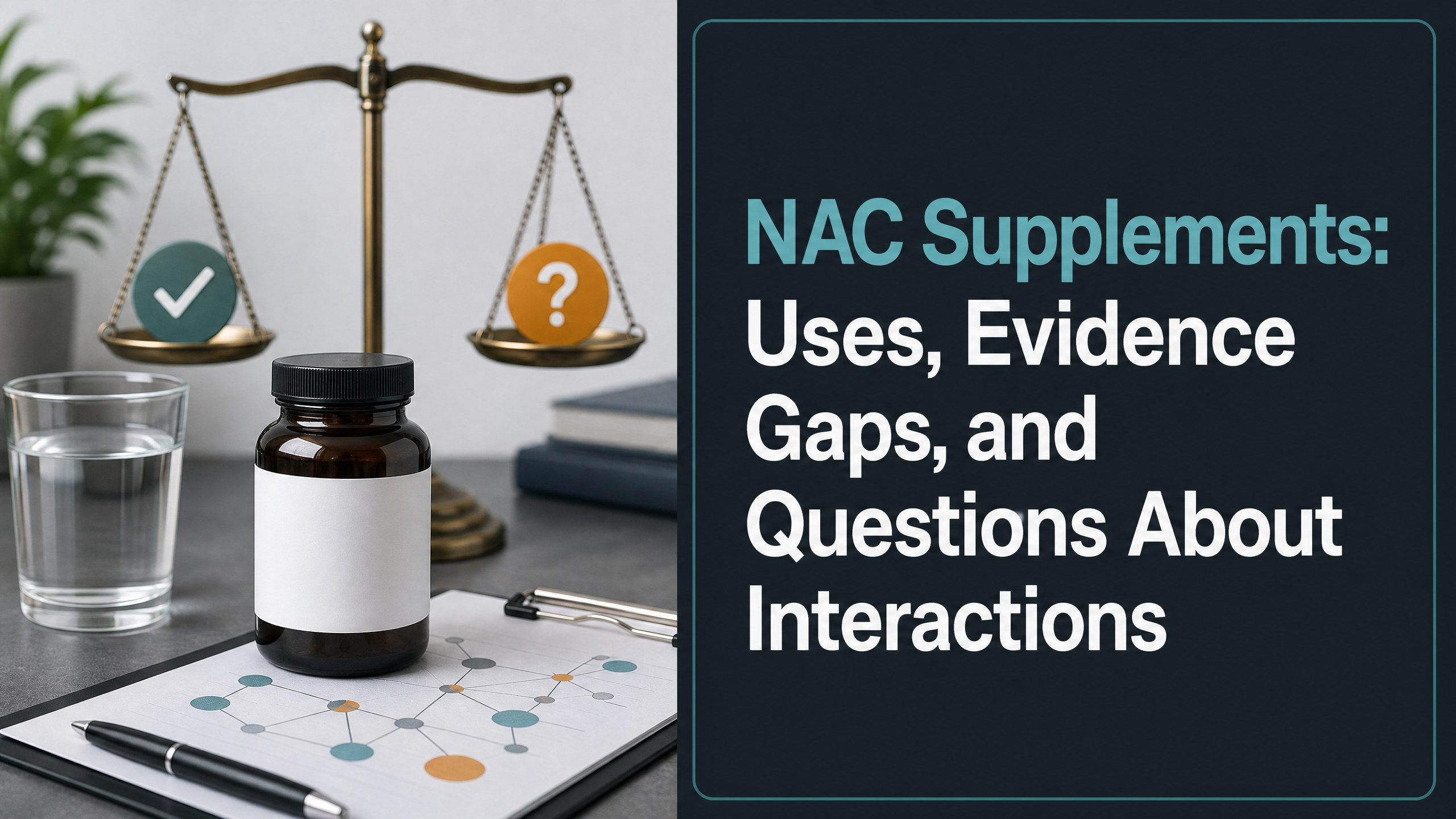
This article reviews practical, evidence-focused information about N‑acetylcysteine (NAC) when it appears in dietary supplements. It is a draft for editorial review and not medical advice. Because the official sources supplied for this article do not include a dedicated fact sheet summarizing clinical trials for NAC, the sections below rely on general, evidence-based guidance from U.S. federal agencies about dietary supplements, label resources, and how to approach claims and safety questions.
What consumers should know up front
Dietary supplements in the U.S. are regulated differently from prescription drugs. The U.S. Food and Drug Administration (FDA) does not approve dietary supplements for safety or effectiveness before they are marketed. Manufacturers are responsible for ensuring products are labeled truthfully and are safe, but the level of premarket oversight is not the same as for medicines.
How that affects NAC products
- When you find NAC listed on a product label, that product is considered a dietary supplement (if marketed as such), not an FDA‑approved drug.
- Claims on supplement labels cannot lawfully say the product treats, cures, or prevents a disease; however, some marketing may imply benefits that are not verified by FDA review.
Evidence gaps and claims
The supplied official references do not provide a NAC‑specific evidence summary. That means this article does not attempt to endorse any particular health claim for NAC supplements. In general:
- Some ingredients sold in supplements have more rigorous research than others. Official sources recommend looking for high-quality, peer-reviewed evidence and trusted systematic reviews when assessing a supplement’s benefits.
- Marketing claims on product websites or labels may overstate benefits; independent sources and clinicians can help interpret the research.
Label reading: practical steps before you buy or take NAC
Use available federal resources and the label itself to check what you’re getting.
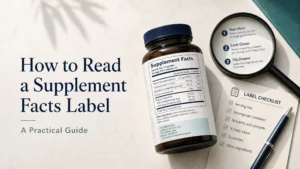
- Read the Supplement Facts panel carefully: note the exact ingredient name used, the amount per serving, serving size, and number of servings per container.
- Check the list of other ingredients and any “proprietary blends.” Proprietary blends may not disclose individual ingredient amounts.
- Look for manufacturer contact information, lot number, and expiration or “best by” date.
- Search the Dietary Supplement Label Database (DSLD) to compare labels and see product images and declared ingredients.
- Use the Dietary Supplement Ingredient Database (DSID) to learn about variability in ingredient amounts across products and testing limitations.
Interactions and contraindications: questions to ask
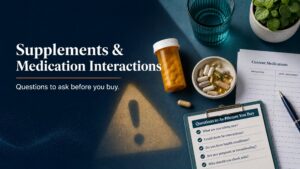
Because supplements can interact with prescription medications, medical conditions, or surgical procedures, ask your clinician or pharmacist:
- Could this supplement interact with my prescription or over‑the‑counter medications?
- Is it safe to start a supplement before surgery, during pregnancy or breastfeeding, or for a child or older adult?
- Are there monitoring steps (laboratory tests or symptom checks) I should follow if I take this supplement?
Official federal guidance emphasizes checking with a healthcare provider before starting any supplement if you are taking prescription medicine, have chronic health problems, are pregnant or breastfeeding, or plan to have surgery.
Quality and safety considerations
- Third‑party testing and certification (for identity and contaminants) can be helpful but does not equal FDA approval.
- Ingredient amounts on the label are manufacturer claims. Independent testing can reveal variability between labeled and actual amounts; DSID explains some of those issues for common ingredients.
- If a product label makes treatment claims (for example, claiming to cure a disease), consider that those claims may be unlawful for supplements and should prompt skepticism and consultation with a clinician.
Remember: dietary supplements are not reviewed and approved by FDA the way prescription drugs are. Use label databases and a healthcare professional to evaluate products.
When to seek medical care
- Stop the supplement and seek urgent care if you experience signs of a severe allergic reaction (hives, swelling of face or throat, difficulty breathing).
- Contact your clinician if you develop new or worsening symptoms after starting a supplement (severe gastrointestinal symptoms, unexplained bleeding, jaundice, or neurological changes).
- Bring the supplement label (or a photo) to medical visits or to the pharmacy to help with medication‑interaction checks.
Bottom line
NAC appears in some dietary supplements, but the official sources provided for this article do not include a focused evidence summary for NAC’s clinical benefits or safety. Consumers should treat marketing claims cautiously, read labels carefully, use federal label databases to verify product information, and consult a clinician or pharmacist about possible interactions and whether a supplement is appropriate for their situation.