In this guide
- What RDA and Daily Value mean
- Why the numbers may differ on labels
- How to read the numbers on foods and supplements
- Packaged foods (Nutrition Facts)
- Dietary supplements (Supplement Facts)
- Practical label‑reading checklist
- Interactions and contraindications to watch for
- When to seek care
- Bottom line
- References
This article explains the difference between Recommended Dietary Allowances (RDAs) and Daily Values (DVs) you see on food and supplement labels, why the numbers sometimes differ, and practical steps to read labels safely. This is a general consumer summary based on official federal guidance; it is not individualized medical advice.
What RDA and Daily Value mean
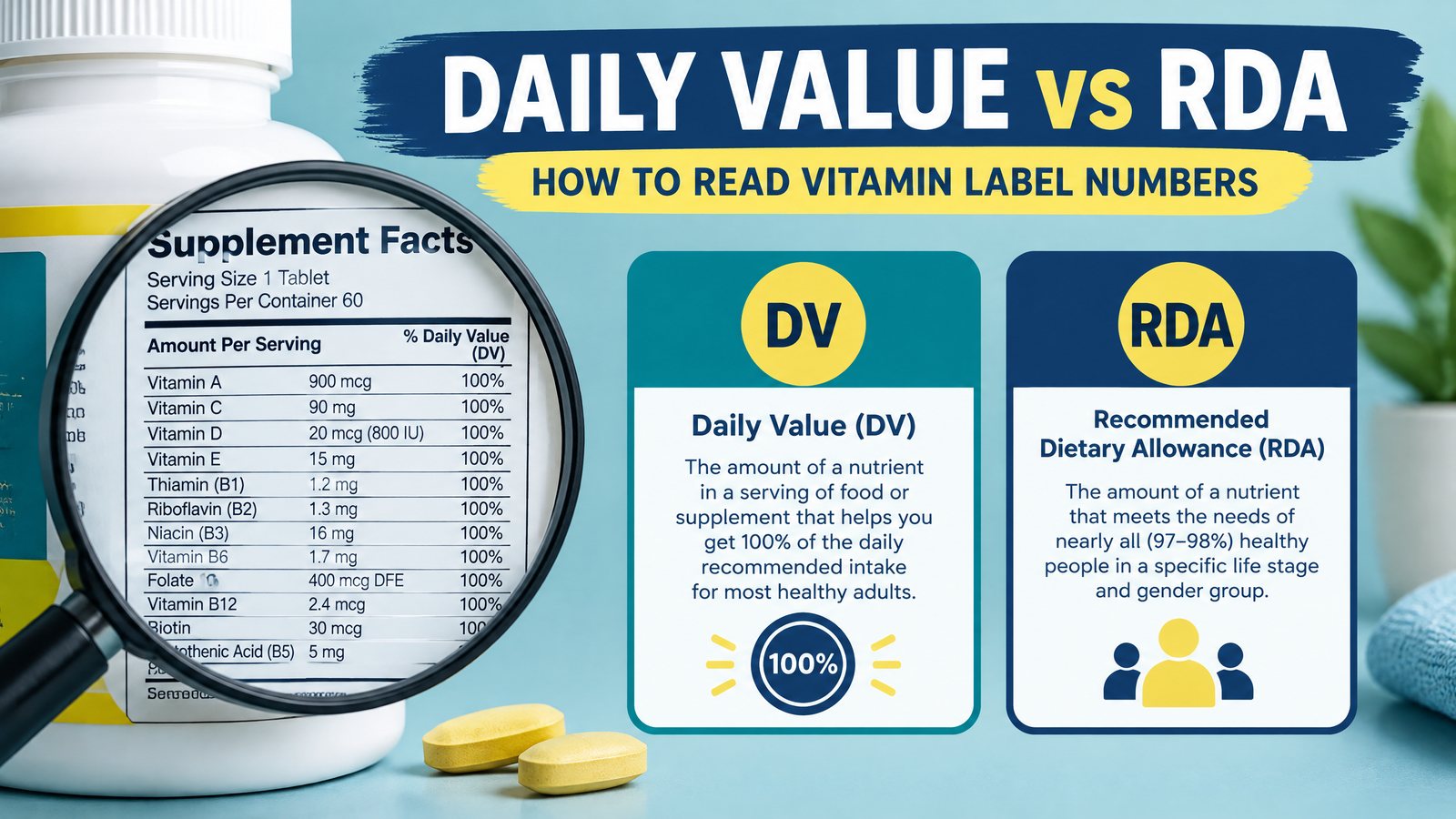
RDAs are one type of Dietary Reference Intake (DRI) developed by the National Academies of Sciences, Engineering, and Medicine. They represent an intake level that is likely to meet the nutrient needs of nearly all healthy people in a defined age‑ and sex‑group. RDAs vary by life stage (for example, children, adults, pregnant and lactating people) and are intended for planning and assessing diets.
Daily Values (DVs) are reference numbers established by the U.S. Food and Drug Administration (FDA) for use on food and dietary supplement labels. DVs are a single set of numbers intended to help consumers compare the nutrient content of different products; they are not personalized recommendations and do not replace RDAs for individual nutrition planning.
Why the numbers may differ on labels
- RDAs vary by age, sex and physiological status; DVs are a single set of reference amounts used for labeling convenience.
- DVs are based on FDA rulemaking and public health considerations; they may not match the most recent RDA for every subgroup.
- Label percent Daily Value (%DV) expresses how much a serving contributes to the DV. A %DV on a label is a labeling convention—not a clinically tailored target.
How to read the numbers on foods and supplements
Packaged foods (Nutrition Facts)
- Start with the serving size. All nutrient amounts and %DVs refer to that serving.
- The %DV shows how much of the DV is in one serving. It helps compare products and spot foods that are high or low in a nutrient.
- Remember that %DV is based on a standard reference value and not on your specific needs. RDAs for your age, sex, or pregnancy status may be higher or lower.
Dietary supplements (Supplement Facts)
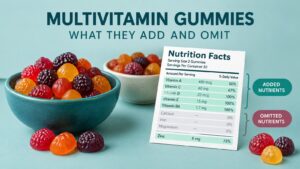
- Check the amount of the nutrient (for example, milligrams or micrograms) in each serving and the %DV next to it. Some ingredients may list an RDA or %DV; others list only an amount if a DV does not exist.
- Dietary supplements do not need FDA approval before they are marketed. The FDA oversees labeling and safety after products are on the market. Product labels and claims can vary, so look at ingredient amounts, %DV, and the distributor’s contact information.
- If a supplement provides a high percentage of a nutrient’s DV, consider whether you are also getting that nutrient from foods and other supplements. Excess intake of some nutrients can be harmful.
Practical label‑reading checklist
- Compare serving sizes before comparing %DVs or nutrient amounts across products.
- Look at the %DV to quickly see whether a food is a large or small contributor of a nutrient; remember it’s a standardized guide, not a personalized goal.
- On supplements, read both the amount and %DV. If no %DV is listed, there may not be an established DV for that ingredient.
- Consider total intake from food and supplements together. If you take prescription medications, check for possible interactions (see next section).
Interactions and contraindications to watch for
Some vitamins and minerals can interact with medications or health conditions. Examples noted by official federal consumer guidance include:
- Vitamin K can affect how well certain blood‑thinning medicines work; people taking anticoagulants should discuss vitamin K intake with their clinician.
- Iron supplements can interact with some antibiotics and other drugs; timing and need should be discussed with a clinician.
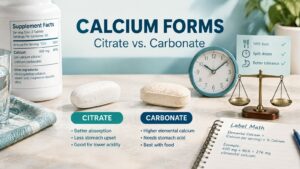
- Calcium, magnesium and other minerals can affect absorption of some medications and may require spacing doses.
For reliable, nutrient‑specific interaction details consult the federal consumer fact sheet for that nutrient and your health care team before starting or stopping supplements.
When to seek care
- Talk with a clinician or registered dietitian if you are pregnant or breastfeeding, have chronic health conditions, take prescription medications (especially blood thinners or drugs with known nutrient interactions), or plan to take high‑dose supplements.
- Seek medical attention if you suspect a nutrient deficiency or toxicity (unexplained fatigue, bleeding, gastrointestinal distress, or other worrying symptoms).
- If a product label makes treatment claims (for example, curing disease), be cautious and report serious adverse effects to your clinician and to FDA MedWatch.
Bottom line
RDAs are nutrient intake goals that vary by age, sex and life stage; DVs are a single set of numbers used on labels to help consumers compare products. %DV on a Nutrition Facts or Supplement Facts panel shows how much of the DV a serving provides, but it is not a personalized recommendation. Read serving sizes, ingredient amounts and %DVs, and discuss prescription medications, pregnancy, or high‑dose supplements with your health care team. Remember that dietary supplements are not reviewed by the FDA for safety and effectiveness before marketing; check federal nutrient fact sheets and your clinician for personalized guidance.