In this guide
- Key takeaways
- What “natural” usually means — and what it doesn’t
- Regulatory context and documented problems
- Why hidden ingredients matter for people using pain-relief supplements
- Practical steps to reduce risk
- Table: Common red flags on packaging and what to do
- Limitations and what supplements can and cannot promise
- When to contact a clinician or seek urgent care
- Reporting problems and staying informed
- Safety disclaimer
- References
- Related VitaEvidence reading
Category: Sleep, Pain, and Everyday Supplements
Key takeaways
- Dietary supplements marketed for pain relief are widely available, but they are not reviewed by the FDA for safety or effectiveness before sale.
- The FDA has found supplements and other health products that contain hidden prescription drugs or other undeclared active ingredients; this is a documented safety risk for consumers.
- To reduce risk: read labels, look for third-party testing, avoid products with unrealistic claims, check FDA resources, and talk with a clinician—especially if you take prescription medications or have chronic health conditions.
- If you suspect a product is unsafe or mislabeled, you can report it to the FDA.
What “natural” usually means — and what it doesn’t
Manufacturers often use words like “natural,” “herbal,” or “traditional” to market supplements for joint pain, muscle aches, or similar complaints. In the U.S., “natural” is a marketing term, not a regulatory standard that guarantees safety, quality, or effectiveness. Unlike prescription drugs, dietary supplements do not require FDA approval before they are sold.
The Dietary Supplements section of the FDA website explains how supplements are regulated differently from prescription and over‑the‑counter drugs and offers information consumers can use when deciding whether to use these products. (See References.)
Regulatory context and documented problems
Under current U.S. rules, manufacturers are primarily responsible for ensuring that their products are safe and that label claims are truthful. The FDA monitors the marketplace and can act when products are adulterated, misbranded, or otherwise unsafe. The agency has repeatedly identified supplements and other consumer health products that contain undeclared pharmaceutical ingredients or other contaminants.
- The FDA’s guidance on avoiding products with contaminated or hidden ingredients describes how some products marketed as dietary supplements have contained active drug ingredients not listed on the label. These hidden ingredients can cause harmful side effects or interact with prescription medicines.
- The FDA maintains a Health Fraud Product Database and posts notifications or other alerts when it identifies specific products as adulterated or posing a safety risk; a product’s absence from a database is not proof of safety.
- The FDA has issued warnings about specific products and categories, including some sexual-enhancement and energy products, after identifying undeclared pharmaceutical ingredients. These notices should be applied to the named products or identified category examples, not generalized to every pain-relief supplement.
These FDA resources are available for consumers who want to check whether a product has been the subject of federal action or public notification. (See References.)
Why hidden ingredients matter for people using pain-relief supplements
Undeclared active ingredients can be dangerous in several ways:
– They may interact with prescription drugs (for example, increasing the risk of bleeding or altering blood pressure).
– They can cause unexpected side effects in people with chronic conditions such as liver disease, heart disease, diabetes, or clotting disorders.
– They undermine accurate dosing and make it impossible to predict benefits or harms.
Because these risks are product-specific, an FDA finding about a particular product does not mean every product with a similar name or ingredients is unsafe. Conversely, absence of an FDA alert does not guarantee a product is free of problems.
Practical steps to reduce risk
Below are practical steps consumers can take when considering a supplement marketed for pain relief.
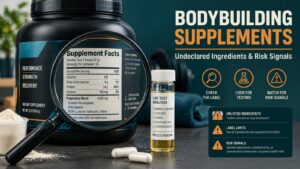
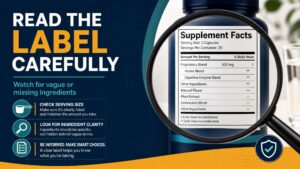
- Read the label carefully. Check the Supplement Facts panel for the list of ingredients, serving size, and manufacturer contact information. For help reading labels, see our guide: /how-to-read-supplement-facts-label/.
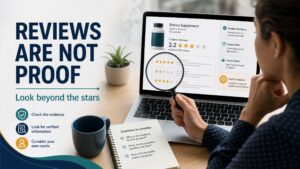
- Be skeptical of dramatic claims. Phrases such as “miracle cure,” “rapid relief overnight,” or “drug‑free alternative that works as well as prescription medications” are red flags. The Federal Trade Commission (FTC) enforces rules against deceptive advertising and provides guidance for health product claims.
- Look for independent third‑party testing. Organizations such as USP, NSF, or ConsumerLab perform testing for purity and label accuracy (note: listing by a third party is voluntary). Third‑party seals do not guarantee effectiveness, but they can provide additional assurance about the contents.
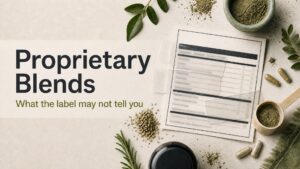
- Avoid products that list a “proprietary blend” without full disclosure of amounts for each ingredient. Proprietary blends can hide high concentrations of certain components.
- Consider your medications and health conditions. If you take prescription drugs, especially blood thinners, anticoagulants, anticonvulsants, or drugs for diabetes or blood pressure, talk with your clinician before trying a supplement. See our guidance on interactions: /supplements-medication-interactions-questions/.
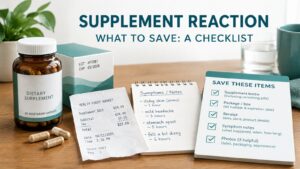
- Keep a list of the supplements you use and bring it to medical appointments. Include brand names, dosages, and how often you take them.
- Check FDA resources. Search the FDA Health Fraud Product Database and review Medication Health Fraud notifications to see if a product has been flagged.
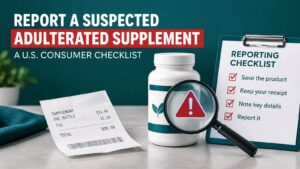
- Report suspicious products. If you suspect a supplement or other health product contains hidden ingredients or has caused harm, report it to the FDA. The agency provides ways for consumers to contact its Center for Drug Evaluation and Research.
Table: Common red flags on packaging and what to do
| Red flag on packaging | Why it’s concerning | What to do |
|---|---|---|
| “Miracle,” “quick fix,” “clinically proven” without citation | Unsubstantiated claims may indicate deceptive advertising | Treat claims skeptically; look for independent evidence and FTC guidance |
| No manufacturer contact info or unverifiable address | No reliable way to contact the company about adverse events | Avoid or use extra caution; consider reporting the product |
| “Proprietary blend” with no ingredient amounts | Makes it impossible to know what or how much you’re taking | Prefer products that list amounts per ingredient |
| Claims to be “drug‑free” but promises prescription‑level effects | May indicate hidden active ingredients | Search FDA Health Fraud Database and Medication Health Fraud notifications |
| Third‑party seal that is unfamiliar or impossible to verify | Could be fake or misleading | Verify seal with the organization’s website or choose known testing programs |
Limitations and what supplements can and cannot promise
Dietary supplements are intended to supplement the diet and are not allowed to claim they treat, cure, or prevent disease without substantial evidence and proper regulatory review. Claims that a supplement can replace prescribed pain medications, cure an underlying medical condition, or work immediately and without risk should be treated with caution.
If you are looking for evidence about specific ingredients (for example, glucosamine, turmeric, or CBD), consult reliable clinical reviews or professional guidance. Our site includes related resources on supplement forms and safety where appropriate (see internal links such as /magnesium-supplements-forms-uses-safety/ and /how-to-choose-protein-powder/).
When to contact a clinician or seek urgent care
Contact a clinician if:
– You experience new or worsening pain, loss of function, fever, or red/swollen joints.
– You develop allergic symptoms (hives, swelling, difficulty breathing) after a supplement.
– You have unusual symptoms such as severe gastrointestinal upset, signs of liver injury (yellowing of skin or eyes, dark urine), unexplained bruising or bleeding, fainting, or heart palpitations.
Seek immediate medical attention or call emergency services if you have signs of a life‑threatening reaction.
Reporting problems and staying informed
If you suspect a product contains hidden ingredients or has harmed you or someone else, report it to the FDA. The agency posts Medication Health Fraud notifications, maintains a Health Fraud Product Database, and provides consumer guidance for avoiding products with contaminated or hidden ingredients. The FTC also provides resources on truthful advertising for health products.
Safety reporting helps regulators identify dangerous products and may trigger agency action such as recalls, public notifications, or enforcement.
Safety disclaimer
This article is for educational purposes only and is not medical advice. It does not replace consultation with a qualified healthcare professional. If you have questions about using supplements or managing pain, talk with your clinician.
References
- FDA: Pain and Arthritis Products Containing Hidden Ingredients
- FDA: Avoiding Products Contaminated with Hidden Ingredients
- FDA: Health Fraud Product Database
- FDA: Questions and Answers on Dietary Supplements
- FTC: Health Products Compliance Guidance
Last reviewed: August 2026
VitaEvidence Editorial Team