In this guide
- Key takeaways
- Why marketing and reviews can create false confidence
- Examples from regulatory authorities
- How to spot unverified or potentially misleading reviews and questionable claims
- Practical steps to evaluate a health product
- When to be especially cautious
- How to report problems
- Limitations and realistic expectations
- When to contact a clinician
- Short safety disclaimer
- References
- Additional VitaEvidence resources
- Related VitaEvidence reading
Category: Sleep, Pain, and Everyday Supplements
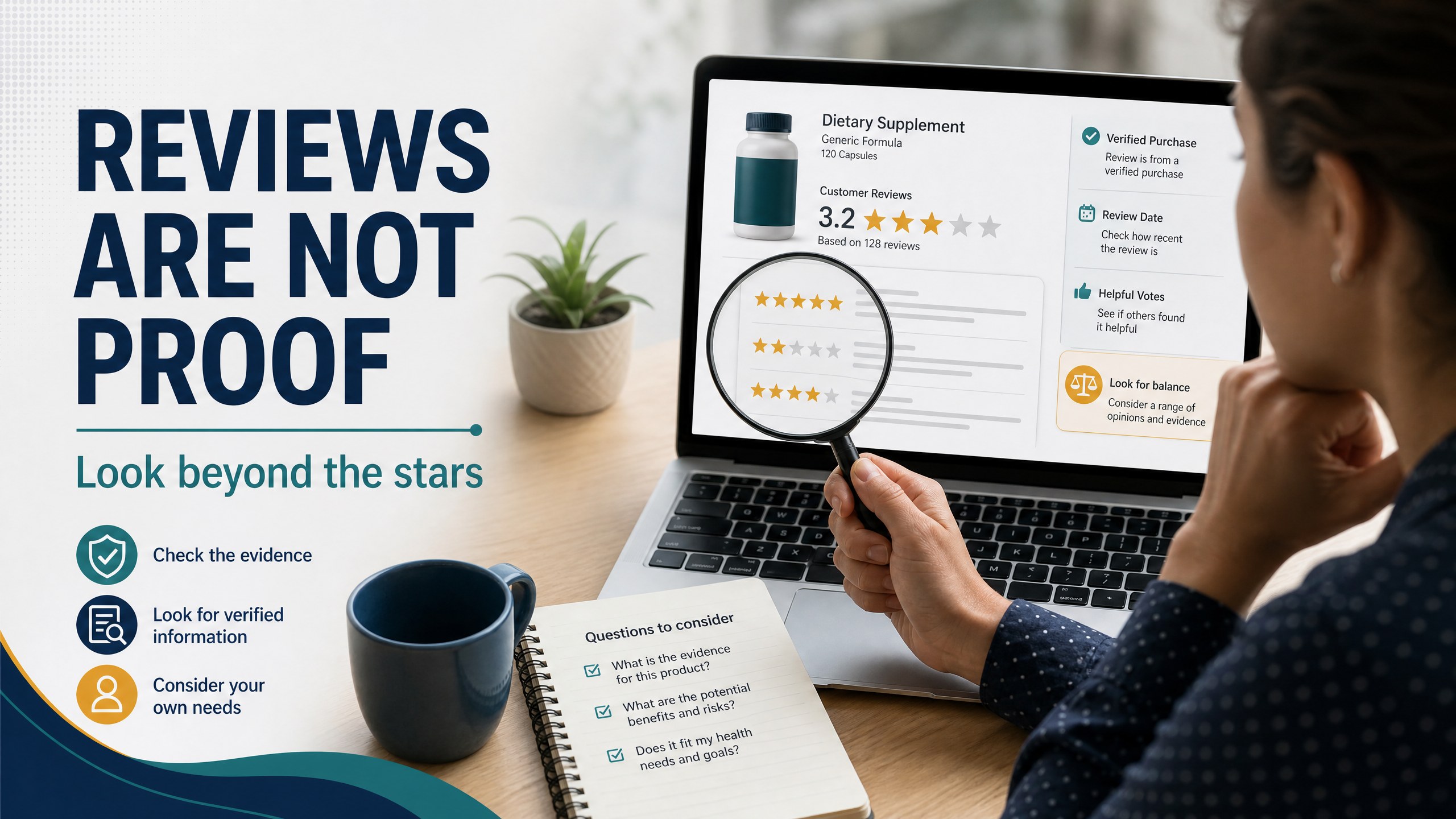
Many people rely on online reviews, testimonials, and marketing claims when choosing dietary supplements, sleep aids, pain remedies, or other over‑the‑counter health products. But some of those signals of trust can be manipulated. Unverified or potentially misleading reviews, selective testimonials, and overstated marketing language can create a false sense of safety and effectiveness — and with health products, that can be risky.
This article explains common marketing tactics that mislead consumers, walks through ways to spot unverified or potentially misleading reviews and questionable product claims, and points to reliable steps you can take before using a new health product.
Key takeaways
- The FDA does not preapprove dietary supplements before they go on the market; products can contain hidden or undeclared ingredients, sometimes including active drugs. (See FDA guidance in References.)
- Unverified or manipulated reviews, cherry‑picked testimonials, and misleading labels can make products seem safer or more effective than they are.
- Use the FDA’s health fraud resources, product labeling guidance, and the FTC’s truth‑in‑advertising guidance to evaluate claims. Report suspicious products or adverse effects to the FDA.
- Contact a clinician if you have a serious medical condition, are taking prescription medications, experience adverse effects, or need help assessing product safety.
Why marketing and reviews can create false confidence
- Reviews and testimonials feel personal and persuasive. A stream of glowing comments can create the impression of broad, real‑world benefit even when they’re not genuine or representative.
- Marketers often use authoritative‑sounding language — “clinically studied,” “doctor recommended,” “laboratory tested” — without clear evidence or references. The FTC requires truthful advertising, but enforcement can lag and language can be vague.
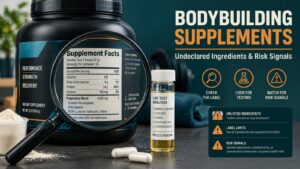
- Some products sold as “natural” or “herbal” hide active pharmaceutical ingredients that pose safety risks. The U.S. Food and Drug Administration (FDA) has found hidden drug ingredients in certain products marketed for sexual enhancement, weight loss, pain relief, and in some honey‑based health products.
Examples from regulatory authorities
- The FDA has issued notifications about sexual enhancement and energy products that were found to contain undeclared active drugs. These hidden ingredients can interact with other medications or cause harmful side effects.
- The FDA maintains a Health Fraud Product Database and posts medication health fraud notifications to alert consumers about products with hidden or unsafe ingredients.
- The FTC provides guidance for advertisers and businesses on truth in health advertising and may bring enforcement actions when marketing is deceptive.
Taken together, these official resources show two important points: (1) products marketed as supplements, sleep aids, or topical remedies may not be inert and may carry risk; and (2) marketing materials and online reviews are not reliable substitutes for transparent evidence or regulatory approval.
How to spot unverified or potentially misleading reviews and questionable claims
The table below highlights common red flags and practical checks you can do quickly.
| Red flag | Why it’s risky | Quick check |
|---|---|---|
| Many short, one‑line reviews posted in a short time frame | Likely coordinated or fake | Sort reviews by oldest/newest; look for varied language and timestamps |
| Reviews that repeat the same phrasing or include non‑native grammar patterns | May be produced by bots or paid responders | Search the exact phrase; identical wording suggests inauthenticity |
| Reviews that only praise and never mention downsides or side effects | Real users typically report a range of experiences | Look for balanced reviews and those that mention context (dosage, duration) |
| Testimonials with celebrity‑style claims but no proof | Anecdotes don’t equal clinical evidence | Look for linked studies or registration of clinical trials |
| Labels claiming “drug‑free,” “clinically proven,” or “FDA‑approved” without specifics | Could be misleading or false | Compare label to FDA dietary supplement labeling guidance and FAQs |
| Products claiming dramatic results quickly or “miracle” cures | Overstates likely benefits | Be skeptical of extraordinary claims; check the FDA and FTC guidance |
Practical steps to evaluate a health product
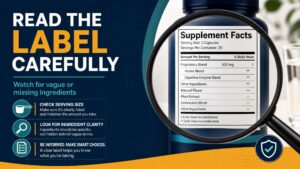
- Read the label carefully. Check active and inactive ingredients, serving size, and manufacturer contact information. The FDA provides guidance on dietary supplement labeling and what to expect on a Supplement Facts panel.
- Verify the seller and manufacturer. Reputable manufacturers list a verifiable address and phone number. Search for the company name plus “recall,” “warning,” or “FDA” to see if regulatory notices exist.
- Search the FDA Health Fraud Product Database and medication health fraud notifications. The FDA posts known problem products and alerts about dangerous or fraudulent products.
- Look beyond on‑site reviews. Search independent review sites, consumer forums, and professional sources. Watch for patterned language, multiple similar names, or duplicated photos that suggest manipulation.
- Check for hidden‑ingredient alerts. Some products marketed as supplements or natural remedies have been found to contain undeclared drugs. The FDA has published warnings about such products, including certain honey‑based items and sexual‑enhancement products.
- Ask for evidence. True clinical claims should be supported by peer‑reviewed studies, trial registries, or clear citations. Be cautious when companies cite “clinical studies” but provide no references or present non‑peer‑reviewed data.
- Talk with your clinician or pharmacist. Especially if you are pregnant, breastfeeding, have chronic conditions, or take prescription medicines, check for possible interactions or contraindications (see VitaEvidence link on supplements‑medication interactions).
When to be especially cautious
- Products that claim to treat or cure serious conditions (e.g., cancer, diabetes, severe pain) without recognized clinical evidence.
- Items sold through unregulated channels or by overseas vendors with little quality control.
- Supplements promoted with aggressive marketing, large discounts, subscription traps, or pressure tactics (“limited supply”).
- Anything that causes unexpected symptoms, allergic reactions, or interactions with existing medications.
How to report problems
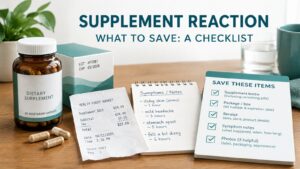
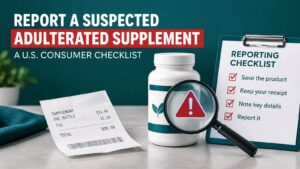
If you suspect a product contains hidden or harmful ingredients, or if you experience an adverse effect:
– Consult a clinician or go to urgent care if symptoms are severe.
– Report the product and any adverse events to the FDA. The FDA provides ways for consumers to contact them about human drugs and suspicious products.
Limitations and realistic expectations
- Detecting unverified or potentially misleading reviews can be difficult; some are sophisticated. No single check guarantees authenticity.
- Not all negative reviews are valid; some reflect individual variation in response or misuse. Conversely, a lack of negative reviews doesn’t prove safety.
- The FDA does not preapprove dietary supplements in the way it does prescription drugs. Manufacturers are responsible for ensuring safety and truthful labeling, but enforcement and oversight depend on post‑market surveillance and reporting.
When to contact a clinician
- You experience side effects, new or worsening symptoms, or signs of an allergic reaction after using a product.
- You are taking prescription medications, blood thinners, or have chronic conditions that could be affected by supplements or topical products.
- You’re considering a product that claims to replace prescribed therapy or promises rapid, dramatic improvement in a medical condition.
Short safety disclaimer
This article is educational and not medical advice. If you have health concerns or questions about a specific product, consult a licensed clinician.
References
- https://www.fda.gov/drugs/medication-health-fraud/avoiding-products-contaminated-hidden-ingredients
- https://www.fda.gov/consumers/health-fraud-scams/tainted-honey-based-products-hidden-active-drug-ingredients
- https://www.fda.gov/consumers/health-fraud-scams/health-fraud-product-database
- https://www.fda.gov/food/dietary-supplements
- https://www.fda.gov/food/information-consumers-using-dietary-supplements/questions-and-answers-dietary-supplements
- https://www.fda.gov/food/dietary-supplements-guidance-documents-regulatory-information/dietary-supplement-labeling-guide
- https://www.fda.gov/drugs/medication-health-fraud-notifications/sexual-enhancement-and-energy-product-notifications
- https://www.fda.gov/drugs/medication-health-fraud/medication-health-fraud-notifications
- https://www.ftc.gov/news-events/topics/truth-advertising/health-claims
- https://www.ftc.gov/business-guidance/resources/health-products-compliance-guidance
- https://www.fda.gov/about-fda/cder-contact-information/ways-consumers-contact-fda-about-human-drugs
Last reviewed: August 2026
VitaEvidence Editorial Team
Additional VitaEvidence resources
- /how-to-read-supplement-facts-label/
- /supplements-medication-interactions-questions/
- /magnesium-supplements-forms-uses-safety/
- /vitamin-d-supplements-who-may-need-them/
- /how-to-choose-protein-powder/
- /probiotics-compare-strains-cfus-storage/