In this guide
- What selenium does and why it matters
- Selenium and the thyroid: what the evidence shows
- Common food sources
- Supplement claims vs. regulation
- Recommended amounts and risks of excess
- What too much selenium can look like
- Interactions and who should be cautious
- How to read a supplement label
- When to seek care
- Bottom line
- References
This article summarizes established information from the National Institutes of Health Office of Dietary Supplements (NIH ODS) and U.S. Food and Drug Administration (FDA) consumer guidance about selenium — what it does, food sources, the limits of supplement claims for thyroid conditions, and how to avoid excess intake.
What selenium does and why it matters
Selenium is a trace element used by the body to make selenoproteins, some of which are involved in antioxidant defenses and in the activation and metabolism of thyroid hormones. Adequate selenium is needed for normal cellular functions, but both low and high intakes can cause health problems.
Selenium and the thyroid: what the evidence shows
Because selenium-dependent enzymes participate in thyroid hormone metabolism, researchers have studied whether selenium supplements help people with thyroid disorders. The NIH ODS notes that some clinical studies have explored selenium supplementation in autoimmune thyroiditis and other thyroid conditions, but results are mixed. Evidence is not strong enough to recommend selenium supplements routinely for thyroid disease in most people.
Key point: Selenium is biologically important to the thyroid, but supplementing to treat or prevent thyroid disease should be considered only with clinical guidance — the scientific evidence is limited and not conclusive.
Common food sources
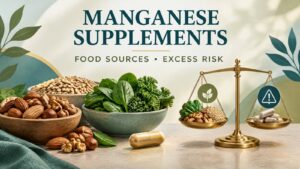
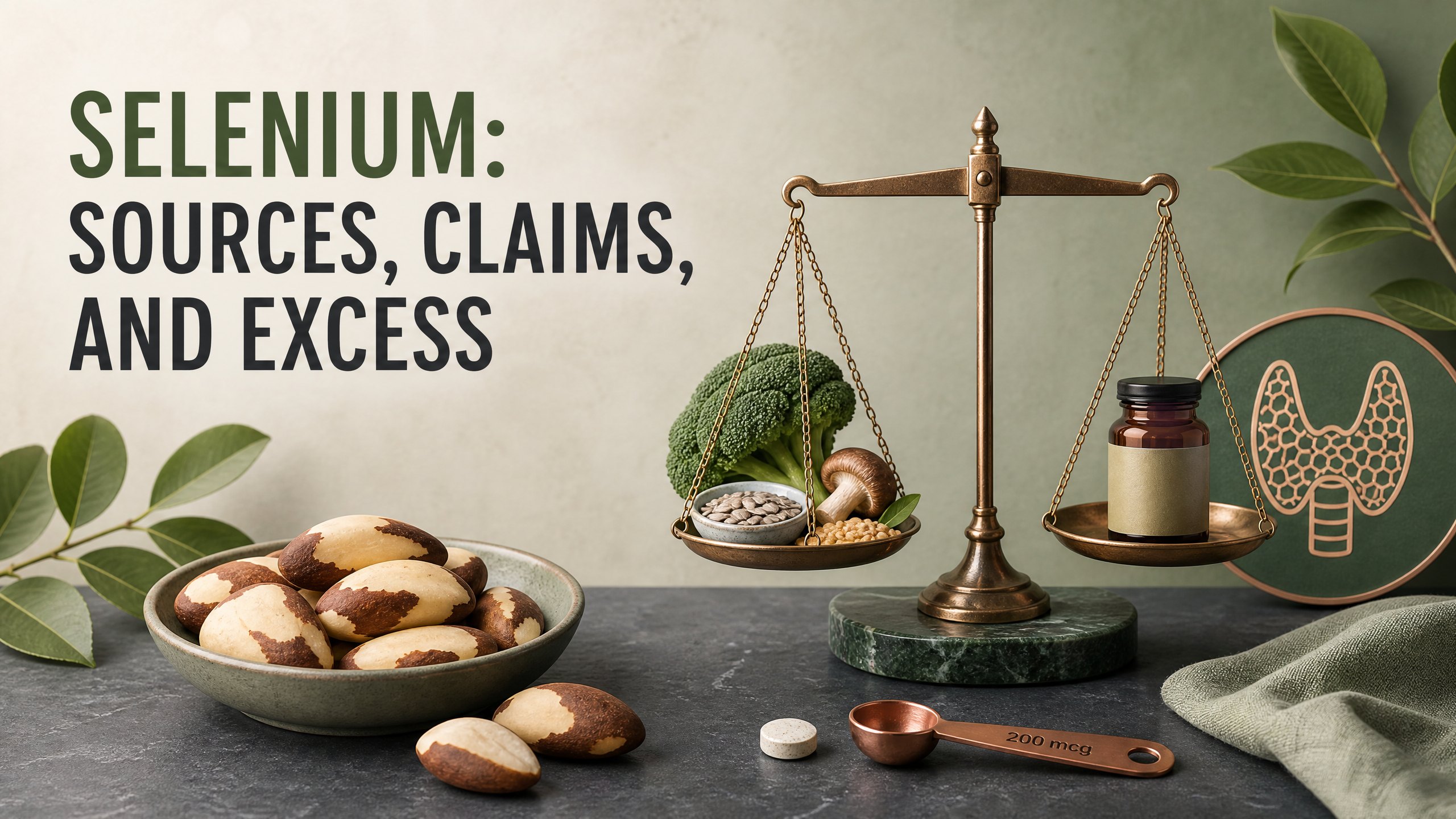
- Brazil nuts (notable for high selenium content)
- Seafood and fish
- Meat and poultry
- Eggs and dairy
- Whole grains and some seeds, depending on soil selenium level
Food selenium content varies by region because soil selenium levels affect the amount in plant foods and in animals that eat those plants. The NIH ODS selenium fact sheet lists typical food sources and notes that dietary intake from food is the usual way most people meet their selenium needs.
Supplement claims vs. regulation
Dietary supplements, including selenium products, are regulated differently than prescription drugs. The FDA does not approve supplements for safety or effectiveness before they are marketed. Companies may label or advertise supplements with claims about supporting normal structure or function (structure/function claims), but they cannot claim to treat, prevent, or cure a disease without FDA review. The FDA and NIH ODS advise caution with marketing claims that promise disease treatment.
Recommended amounts and risks of excess
The NIH ODS provides recommended intake values and a tolerable upper intake level for selenium; consult the ODS factsheet for the exact numbers and guidance for different age groups and life stages. Selenium toxicity (selenosis) can occur with chronically high intakes and may cause symptoms such as gastrointestinal upset, hair loss, brittle nails, and in severe cases neurological problems.
What too much selenium can look like
- Nausea, diarrhea, or abdominal pain
- Hair loss and changes in nails (brittleness or discoloration)
- Neurological symptoms with prolonged very high exposure
Because high-dose supplements are the most common cause of excessive intake in otherwise well-nourished people, be cautious about taking multiple products that each contain selenium.
Interactions and who should be cautious
Certain medical conditions and medications can affect nutrient needs or raise safety concerns with supplements. If you are pregnant, breastfeeding, have a thyroid disorder, are receiving cancer treatment, or take prescription medicines, talk with your clinician before starting a selenium supplement. Your clinician can consider your diet, blood tests if appropriate, and potential interactions with other treatments.
How to read a supplement label
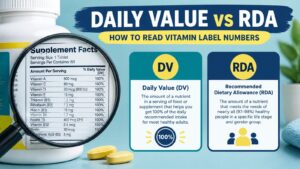
- Check the Supplement Facts panel for the amount of selenium per serving and the percent Daily Value (%DV).
- Note the chemical form (for example, selenomethionine, sodium selenite, or selenium yeast). Research often studies specific forms, and absorption or effects may differ by form.
- Consider total intake from all supplements and fortified foods to avoid exceeding recommended upper limits.
- Look for third-party quality seals (such as USP, NSF, or ConsumerLab) and read product labels carefully; remember these seals indicate testing by the organization shown, not FDA approval.
- Be skeptical of product claims that promise to cure or prevent disease; supplements are not FDA-approved medicines.
When to seek care
- See a clinician if you have symptoms of thyroid dysfunction (fatigue, unexplained weight changes, palpitations, new or worsening neck swelling) before starting any supplement.
- Seek prompt medical attention for signs of selenium toxicity such as sudden hair loss, severe gastrointestinal symptoms, or new neurological symptoms after taking a supplement.
- If you are on medication or have a chronic condition, consult your clinician before beginning selenium supplementation.
Bottom line
Selenium is an essential nutrient with a role in thyroid hormone metabolism, and it’s available from both food and supplements. While some studies have tested selenium supplementation in thyroid conditions, current evidence is not strong enough to recommend routine selenium supplementation for thyroid disease for most people. Because excess selenium can cause harm, avoid high-dose supplements unless advised and supervised by a clinician. Use food sources, check labels carefully, and consult your healthcare provider for personalized advice.
References
- NIH Office of Dietary Supplements — Selenium (Consumer)
- NIH ODS — What You Need to Know About Dietary Supplements (consumer advice)
- U.S. Food and Drug Administration — Dietary Supplements
- FDA — It’s Not “FDA-Approved” (Consumer Update about supplements and marketing)
- NIH ODS — Nutrient Recommendations: Dietary Reference Intakes and Dietary Guidelines