In this guide
- What this guide covers
- Key points at a glance
- Why rest days and recovery matter
- How many rest days should you plan?
- Types of recovery and what actually helps
- Practical weekly plans (examples)
- Recognizing overtraining (when rest is not enough)
- Comparison framework for recovery strategies
- How to compare products later
- Limitations and when to ask a clinician
- Bottom line
- Editorial note
- References
- Related VitaEvidence reading
Rest days and recovery are as important as workouts for making progress, avoiding injury, and staying consistent long term. This guide explains practical ways to plan rest, recognize when you need more recovery, and use sleep, nutrition, and simple tools to support repair without relying on unproven shortcuts.
What this guide covers
- Evidence-calibrated reasons rest days matter and how recovery works.
- Practical frameworks for how many rest days to schedule for different goals.
- Actionable recovery tools (sleep, nutrition, active rest) with real-world examples.
- How to recognize signs of overtraining and when to seek clinical help.
- A neutral checklist for comparing recovery products or supplements later.
Key points at a glance
- Balanced training includes planned rest: most adults benefit from 1–3 days a week of lower-intensity or passive recovery depending on volume and intensity. (Calibrated to activity level and goals.)
- Sleep, adequate calories and protein, and hydration are foundational for recovery—other modalities (cold, compression, supplements) have mixed or context-specific evidence.
- Watch for sustained performance drops, persistent fatigue, mood changes, sleep disruption, frequent illness, or changes in resting heart rate—these may be signs of overtraining and merit clinical review.
- Individualize rest based on recent training load, stress, age, sleep, and illness; use an easy metric (rate of perceived exertion, weekly session count, or training minutes) to adjust rest proactively.
Why rest days and recovery matter
- Physiologic repair: Resistance and endurance sessions create microdamage and metabolic stress; rest allows tissues to repair, mitochondria and enzymes to adapt, and central nervous system recovery to restore performance capacity.
- Injury prevention and consistency: Without adequate recovery, cumulative fatigue increases injury risk and raises the chance of missing sessions long-term.
- Adaptation is the goal: Improvements in strength, endurance, and skill happen during recovery—training is the stimulus, recovery is the response.
How many rest days should you plan?
Guiding principle: match rest to intensity, volume, and life stress.
General adult fitness (recreational)
– Typical plan: 1–2 full rest days per week, with 1–2 light “active recovery” sessions (walking, easy cycling, mobility). This aligns with meeting weekly aerobic and strength targets while allowing recovery [2].
– Example: If you do three moderate–vigorous resistance sessions and two cardio sessions, schedule at least one full rest day and one active recovery day.
H3: Training for performance (intermediate to advanced)
– Higher-frequency athletes often use 1–3 days of lower-intensity work and at least one full rest day; rest is distributed around high-load sessions (e.g., hard interval day followed by easy aerobic or full rest). Adjust rest based on observed fatigue and performance trends.
– Example microcycle: heavy lower-body day → active recovery (30 min easy bike) → moderate upper-body day → full rest.
H3: When less can be more
– Short deload weeks (reduced volume/intensity for 7–10 days) after 3–6 weeks of high load can reduce injury risk and improve later performance. Use a deload when sessions feel unusually heavy or progress stalls.
Types of recovery and what actually helps
H3: Sleep — foundational and measurable
– Aim for consistent, sufficient sleep. The CDC recommends adults get enough sleep for daytime alertness; poor sleep impairs recovery, decision-making, and injury resilience [3].
– Practical: Prioritize 7+ hours for most adults and consider earlier bedtimes after heavy training.
H3: Nutrition — calories, protein, and timing
– Ensure energy balance that matches training load; low total calories impair recovery and adaptation. Follow general Dietary Guidelines for balanced meals emphasizing protein, whole grains, fruits/vegetables, and fluids [4].
– Protein: distribute 20–30 g high-quality protein across meals to support muscle repair; adjust for body size and training (consult a clinician if you have kidney disease or other conditions) [1].
H3: Active recovery and mobility
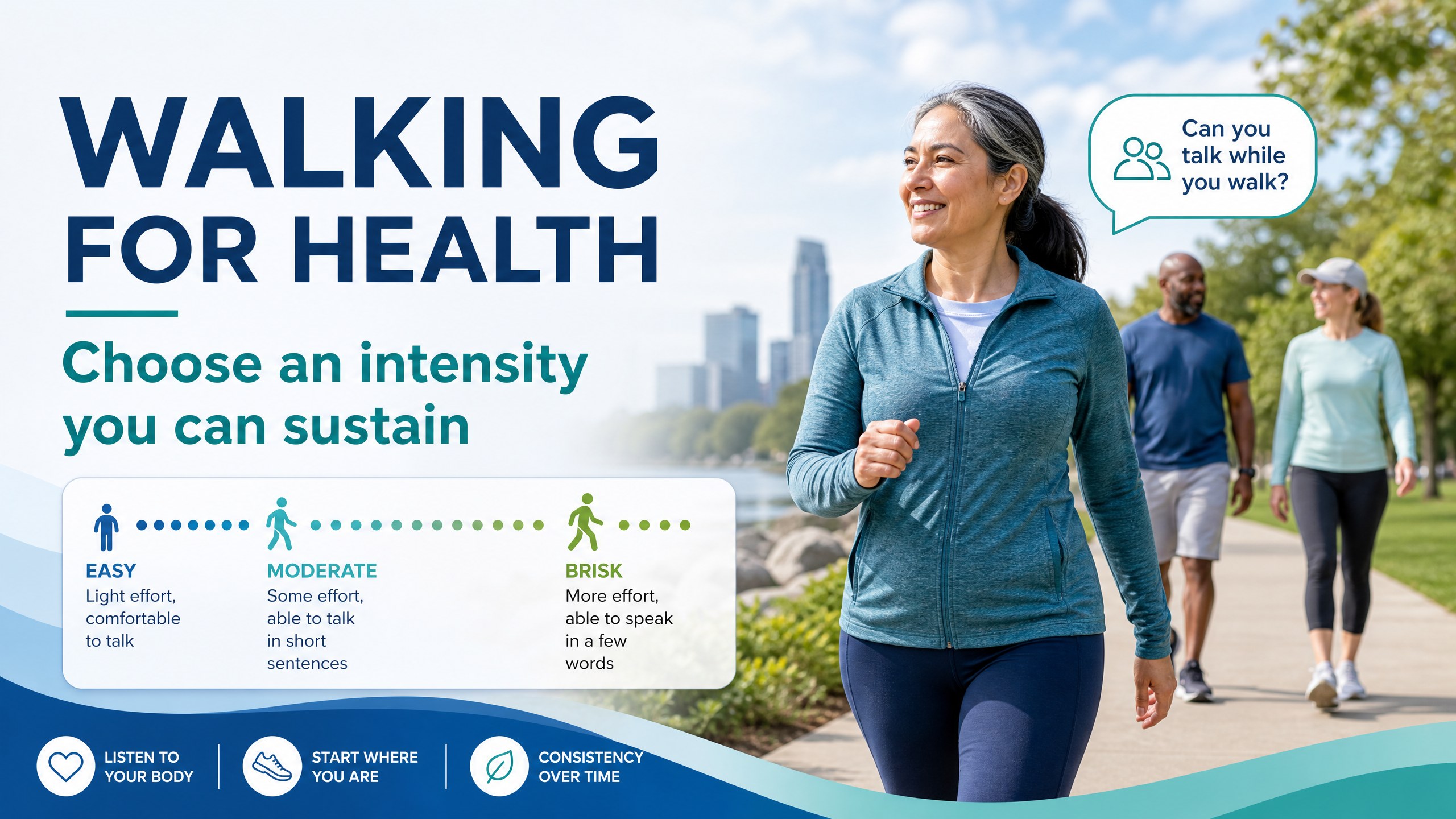
– Low-intensity aerobic work (20–40 min easy cycling, walking), mobility drills, and light full-range movement can reduce stiffness and promote blood flow without blocking adaptation.
– Example: 20-minute brisk walk + dynamic mobility after a heavy squat session the next day.
H3: Modalities with mixed evidence
– Cold water immersion, compression, massage, and contrast baths can reduce soreness and perceived fatigue in the short term; evidence for faster performance recovery or long-term adaptation is mixed and often context-dependent (elite vs recreational) [5][6].
– Use these as tools for comfort or specific event prep rather than routine performance enhancement.
Practical weekly plans (examples)
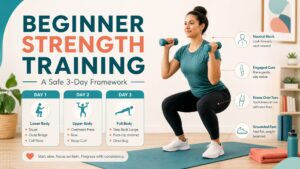
- Beginner (3 sessions/week): Mon strength, Wed cardio, Fri strength. Rest/active recovery Tue/Thu/Sat, full rest Sun.
- Intermediate (5 sessions/week): Mon heavy lower, Tue easy bike (active recovery), Wed upper, Thu interval run, Fri easy mobility, Sat long moderate aerobic, Sun full rest or light mobility.
- Busy adult or taper week: Reduce session length by ~30–50% and include two full rest days to consolidate gains.
Recognizing overtraining (when rest is not enough)
Common warning signs (non-exhaustive) — investigate if multiple signs persist >2 weeks despite rest:
– Persistent performance decline or inability to complete usual workouts.
– Unusual, prolonged fatigue or reduced motivation for training.
– Sleep disturbances, mood changes, increased irritability or anxiety.
– Frequent minor illnesses or slow recovery from infections.
– Elevated resting heart rate or decreased heart-rate variability compared with personal baseline.
– Menstrual irregularities in women.
If these signs persist, pause intense training and seek clinical evaluation—rules-out medical causes (infection, anemia, thyroid disease), medication effects, or mental-health contributors. Discuss return-to-training plans with a clinician or qualified sports professional.
Comparison framework for recovery strategies
When choosing recovery tools (techniques, devices, or supplements), compare by these attributes:
– Purpose: symptom relief (soreness), adaptation support, or performance readiness.
– Evidence strength: randomized trials, systematic reviews, or limited/observational data.
– Safety profile and contraindications (medical conditions, pregnancy, allergies).
– Practicality: cost, time, and access.
– Monitoring: measurable outcomes (sleep hours, perceived recovery scores, training logs, resting heart rate).
How to compare products later
When you evaluate a recovery product or supplement, check label attributes and quality signals: ingredient list and dose, third-party testing (e.g., NSF, USP), allergen warnings, suggested use and precautions, expiration and batch number, and clear contact information. Remember the FDA does not preapprove dietary supplements for effectiveness or safety; verify claims and consult a clinician if you take medications or have medical conditions. [Affiliate product comparison block—add verified iHerb links after approval]
Limitations and when to ask a clinician
- Evidence gaps: Many recovery modalities and supplements show mixed results across populations; systematic reviews highlight that benefits seen in elite athletes may not generalize to recreational exercisers [5][6].
- Individual factors matter: age, chronic disease, pregnancy, breastfeeding, medication use, kidney or liver disease, and eating disorders change recovery needs and safety—talk to a clinician before starting high-volume training, restrictive diets, or new supplements.
- Not medical advice: If you have chest pain, syncope, unexplained weight loss, prolonged fever, or other concerning symptoms, seek urgent medical attention.
Bottom line
Plan rest intentionally: build at least one full rest day into most weekly schedules and add active recovery and deloads as training intensifies. Prioritize sleep, adequate calories and protein, and hydration as the primary recovery tools; consider other modalities for comfort or situational benefit. Watch for sustained performance declines or systemic signs of overtraining, and consult a clinician before making major changes or using supplements.
Editorial note
VitaEvidence Editorial Team. Last reviewed: August 2026. For general education, not personal medical advice. Read our Editorial Policy.
References
[1] NIH Office of Dietary Supplements. Exercise and Athletic Performance — Health Professional Fact Sheet. https://ods.od.nih.gov/factsheets/ExerciseAndAthleticPerformance-HealthProfessional/
[2] CDC. Physical Activity Basics. https://www.cdc.gov/physicalactivity/about/index.html
[3] CDC. How Much Sleep Do I Need? https://www.cdc.gov/sleep/about_index.html
[4] U.S. Department of Health and Human Services and U.S. Department of Agriculture. Dietary Guidelines for Americans, 2020–2025. https://www.dietaryguidelines.gov/
[5] Nutrients. Mini-review: Sleep, Nutrition and Supplementation in Athletic Recovery (2025). https://doi.org/10.3390/nu17111779
[6] Frontiers in Nutrition. Systematic Review of Supplements and Elite-Athlete Performance (2025). https://doi.org/10.3389/fnut.2025.1675654
[7] U.S. Food and Drug Administration. Dietary Supplements. https://www.fda.gov/food/dietary-supplements