In this guide
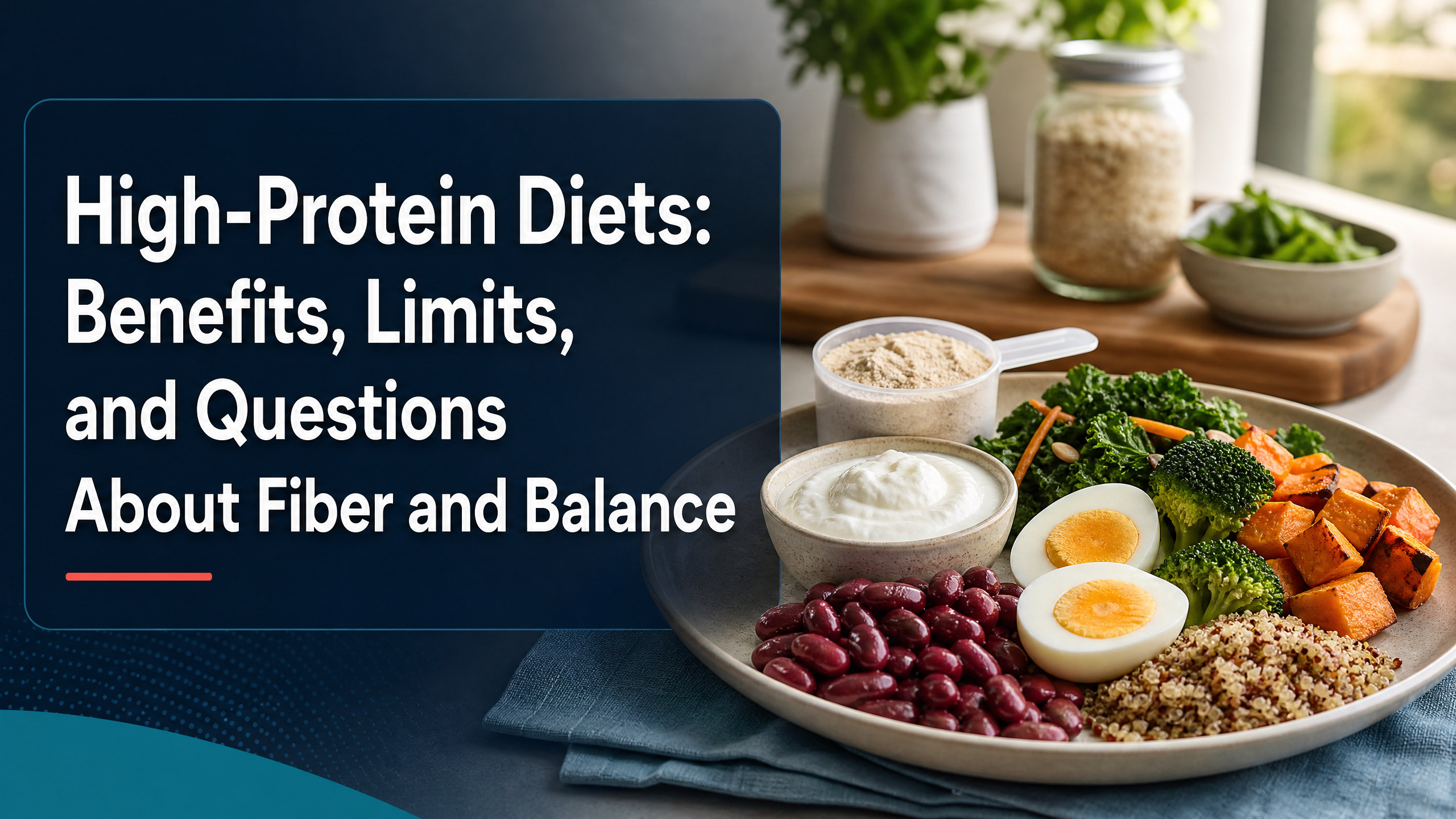
Higher-protein eating patterns—ones that include more protein-rich foods than you might in a typical meal pattern—are popular for supporting muscle maintenance and feeling full. Authoritative U.S. sources recommend including a variety of protein foods as part of an overall healthy eating pattern, but they also emphasize balance with vegetables, fruits, whole grains, and other food groups. This article explains potential benefits, common limits (especially about fiber), practical ways to balance meals, and basic food-safety and label-reading tips.
What people mean by a “high-protein” diet
People use the term in different ways: some simply include one or more protein-focused foods at each meal, while others reduce carbohydrate foods and increase animal or plant proteins substantially. The Dietary Guidelines and MyPlate resources emphasize patterns that include a variety of protein foods—seafood, lean meats, poultry, eggs, legumes, nuts, and seeds—within an overall healthy eating pattern.
Possible benefits and established roles of protein
- Protein is an essential nutrient used to build and repair tissue and to support normal body functions. Including adequate protein can help maintain muscle, especially as people age. (See the NIH Office of Dietary Supplements on protein.)
- Higher-protein meals may increase feelings of fullness for some people, which can help with appetite management within a balanced diet. However, effects vary between individuals and depend on the overall food pattern and total calories.
Limits and common concerns
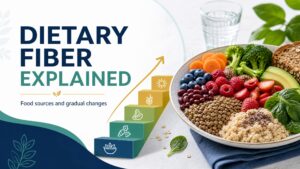
Increasing the share of calories from protein can unintentionally reduce fiber intake if it means cutting back on whole grains, legumes, fruits, vegetables, and other high-fiber foods. Fiber has well-established roles in digestive health, regular bowel function, and supporting a healthy microbiome. Rapidly changing the mix of protein and fiber in your diet can also cause gas, bloating, or constipation for some people.
People with certain medical conditions—especially advanced kidney disease—should discuss protein intake with a clinician. The NIH and other authoritative sources advise that people with specific health conditions get individualized guidance from a qualified health professional.
Practical strategies to keep protein and fiber in balance
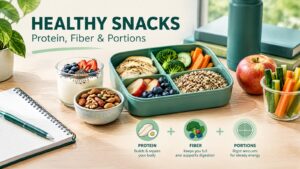
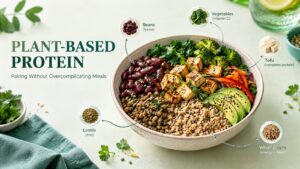
- Choose fiber-rich protein sources: include legumes (beans, lentils, peas), soy foods, and nuts or seeds. These provide both protein and fiber.
- Pair animal proteins with high-fiber sides: for example, add a large mixed-vegetable salad, roasted vegetables, or a whole-grain side like barley or brown rice to meals centered on meat, poultry, or fish.
- Include fruit, vegetables, and whole grains across meals and snacks so overall fiber doesn’t drop when protein rises. Think of protein as one part of a plate, not the entire plate.
- Make gradual changes: if you plan to increase protein or fiber, do so slowly to allow your gut to adapt and to reduce gas or bloating.
- Read Nutrition Facts labels to compare products: the label lists grams of protein and fiber per serving, ingredient order, and other nutrients (like saturated fat and sodium) you may want to monitor.
Sample meal ideas (simple, not prescriptive)
- Breakfast: plain yogurt or cottage cheese with berries and a spoonful of oats or ground flaxseed.
- Lunch: grilled chicken or chickpea salad with plenty of mixed greens, vegetables, and quinoa or whole-grain bread.
- Snack: hummus or nut butter with raw vegetables or whole-grain crackers.
Food safety and handling
Many high-protein foods (meat, poultry, seafood, eggs, dairy) require safe handling to reduce the risk of foodborne illness. Follow storage and handling guidance on product labels and use trusted federal resources for safe food handling and refrigeration advice. Keep raw animal foods separate from ready-to-eat foods, refrigerate promptly, and follow package instructions for cooking and storage.
When to seek care
- See a clinician promptly if you have severe abdominal pain, vomiting that you cannot control, sudden or unexplained weight loss, blood in stool, or new or worsening swelling.
- If you have kidney disease, liver disease, are pregnant, breastfeeding, or have other chronic conditions, consult your clinician or a registered dietitian before making large, sustained changes to protein intake.
- For persistent constipation, severe or prolonged gas and bloating, or other troubling digestive symptoms after changing your diet, check with a clinician for tailored advice.
Bottom line
Higher-protein eating patterns can be part of a healthy overall diet when you include a variety of protein foods and keep fiber-rich foods, fruits, vegetables, and whole grains on the plate. Watch for reduced fiber when protein increases, make changes gradually, read Nutrition Facts labels to compare products, and follow safe food-handling guidance. People with medical conditions that affect protein needs should seek individualized advice from health professionals.