In this guide
Why people take biotin
Biotin (vitamin B7) is a water-soluble B vitamin that appears in many multivitamins and in single‑ingredient supplements marketed for hair, skin, and nails. Manufacturers and influencers commonly promote high‑dose biotin products for stronger hair and faster nail growth.
What the official evidence and agencies say
The National Institutes of Health Office of Dietary Supplements (NIH ODS) and other official sources recognize biotin as an essential nutrient, but they do not support broad claims that biotin supplements improve hair or nails for people who already get enough in their diet.
Key points from the NIH ODS factsheet include:
- Biotin is required for normal metabolism and for certain carboxylase enzyme functions.
- Biotin deficiency is uncommon in the general population; supplementation helps people with true deficiency or certain rare metabolic disorders.
- Evidence that high‑dose biotin improves hair growth or nail strength in people without deficiency is limited or inconclusive.
In short: supplementation is appropriate for diagnosed biotin deficiency or specific medical conditions, but routine high‑dose use for cosmetic benefits lacks strong, consistent evidence from large clinical trials.
Lab‑test interference: an important safety issue
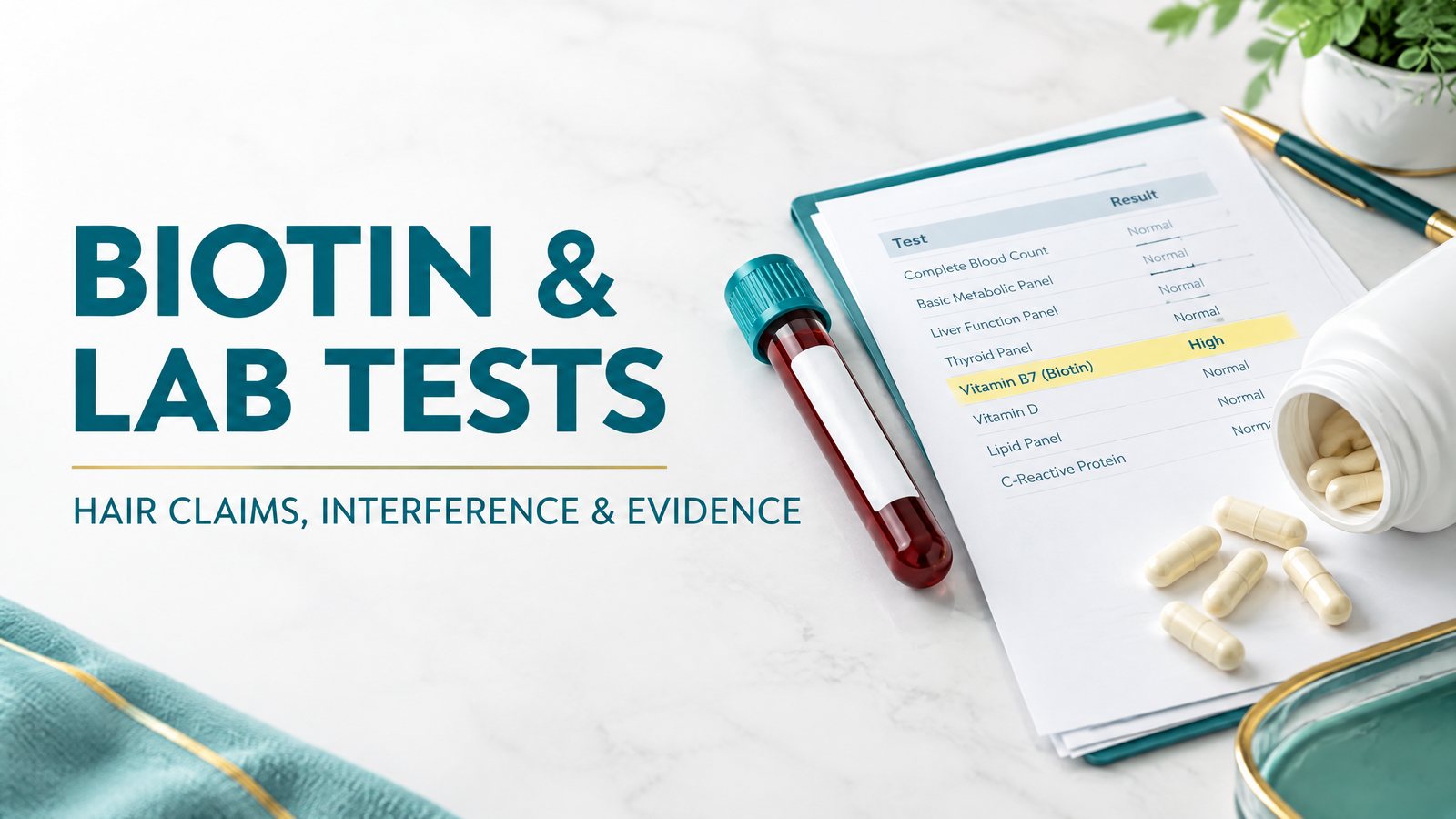
One of the most important and well‑documented safety concerns about biotin is interference with certain laboratory tests. Biotin in blood samples can cause falsely high or falsely low results on some immunoassays that use biotin‑streptavidin binding in their technology.
Tests that may be affected include, but are not limited to, certain assays for:
- thyroid hormones (for example, thyroid stimulating hormone, TSH)
- cardiac markers (for example, troponin)
- certain hormone and vitamin tests
The NIH ODS notes this interference risk and advises patients and clinicians to be aware that biotin supplements can affect lab results. Because some affected tests are used to diagnose serious conditions (for example, heart attack), clinicians and laboratories need to know if a patient is taking biotin so results can be interpreted correctly or alternative testing methods used.
Label‑reading guidance
If you are considering a biotin supplement or already take one, check the package carefully:
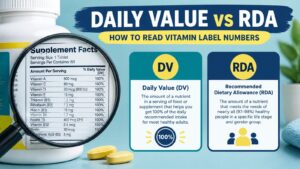
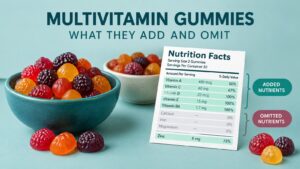
- Look at the Supplement Facts panel to find the amount of biotin per serving and the serving size.
- Note other ingredients and whether the product is a single‑ingredient biotin supplement or part of a multi‑ingredient formula.
- Beware of marketing claims that promise dramatic hair regrowth or rapid nail repair; claims on dietary supplement labels are not evaluated by the FDA for effectiveness before sale.
- Keep a list of supplements you take and bring it to medical appointments or testing.
Interactions and contraindications
Two practical interaction precautions to consider:
- Lab tests: Tell clinicians and laboratory staff if you take biotin. They may choose a different assay or interpret results in that context.
- Medications and conditions: Certain medical conditions and some medications can affect biotin status, and conversely biotin may affect diagnostic testing used in medical care. Discuss use of supplements with your clinician if you are pregnant, breastfeeding, taking prescription medications, or have chronic medical conditions.
The NIH ODS provides consumer information on biotin and related considerations but does not list the supplement as a treatment for specific diseases.
Practical steps before blood tests
If you are scheduled for laboratory testing, especially for thyroid tests, cardiac markers, or hormone panels, tell your health care team about any biotin supplement you take. Your clinician or the laboratory may recommend specific steps—such as using a different assay or temporarily stopping the supplement—so results are not misleading. Do not independently stop prescribed medications without discussing with your clinician.
When to seek care
- If you experience sudden chest pain, shortness of breath, fainting, or other signs of a heart attack, seek emergency care immediately—do not delay while checking supplements.
- If you receive unexpected lab results and you take biotin supplements, contact the clinician who ordered the test to discuss whether interference could explain the result and whether repeat or alternative testing is needed.
- Talk to your clinician before starting high‑dose biotin if you are pregnant, breastfeeding, on prescription medications, or have a chronic condition.
Bottom line
Biotin is an essential nutrient and supplementation is valuable for diagnosed deficiency or certain rare metabolic conditions. For people who already have adequate biotin intake, evidence that extra biotin improves hair or nails is limited. An important, actionable safety issue is that biotin supplements can interfere with some laboratory tests and lead to inaccurate results. Always tell your health care team about biotin or other supplements before testing or medical decisions, and consult your clinician about whether supplementation is appropriate for you.