In this guide
- What is PMS?
- What is period pain (menstrual cramps)?
- Key differences: timing, symptoms, and impact
- Possible causes and when a different condition may be involved
- Practical steps: tracking, self-care, and nutrition
- When to seek care
- What you can expect from clinical care
- When pregnancy or nutrition matters
- Bottom line
- References
This article explains the practical differences between premenstrual syndrome (PMS) and period pain (menstrual cramps), how to tell them apart, why it matters, and when to talk with a clinician. It summarizes common symptoms, possible underlying causes, and steps you can take to monitor and manage symptoms.
What is PMS?
Premenstrual syndrome (PMS) refers to a group of emotional and physical symptoms that many people notice in the days or weeks before their period. Symptoms typically begin in the luteal phase of the menstrual cycle (after ovulation) and improve after bleeding starts. Common complaints include mood changes (irritability, sadness, or anxiety), bloating, breast tenderness, fatigue, and changes in appetite or sleep.
PMS is generally a pattern of symptoms tied to the menstrual cycle rather than a single, isolated problem. When symptoms are severe enough to interfere with daily life, they may be diagnosed as a related condition called premenstrual dysphoric disorder (PMDD), which requires evaluation by a clinician.
What is period pain (menstrual cramps)?
“Period pain” usually refers to cramping pain that happens during menstruation. The pain is often felt in the lower abdomen or pelvis and may be accompanied by backache, nausea, or diarrhea. For many people the cramps are mild and manageable, but for others they can be moderate to severe and affect normal activities.
Key differences: timing, symptoms, and impact
- Timing: PMS symptoms occur before the period and usually improve when bleeding starts. Period pain happens with the period itself, most commonly during the first few days of bleeding.
- Symptoms: PMS is often dominated by emotional and behavioural symptoms (mood swings, irritability, changes in appetite or sleep) along with physical signs like bloating or breast tenderness. Period pain is primarily pelvic cramping and pain that may radiate to the back or thighs.
- Impact: Both can interfere with daily life, but the pattern (pre-period vs during bleeding) helps identify which is more likely. Severe or changing patterns should prompt medical evaluation.
Possible causes and when a different condition may be involved
Both PMS and period pain are linked to normal menstrual cycle changes. However, certain symptoms or patterns can suggest other conditions:
- Heavy or irregular bleeding: If bleeding is unusually heavy or irregular, a gynecologic condition may be involved. Causes of abnormal uterine bleeding include structural issues, hormonal imbalances, or other medical problems that a clinician can evaluate.
- Severe, worsening pain: Very intense cramps that don’t respond to usual self-care or that progressively worsen could reflect conditions such as endometriosis or other pelvic disorders.
- Irregular cycles, missed periods, or signs of hormonal disorder: Conditions such as polycystic ovary syndrome (PCOS) can cause irregular or absent periods and may require evaluation and management.
Because patterns and causes vary, tracking your cycle and symptoms can help your clinician identify whether symptoms are typical PMS, routine menstrual cramps, or signs of another condition.
Practical steps: tracking, self-care, and nutrition
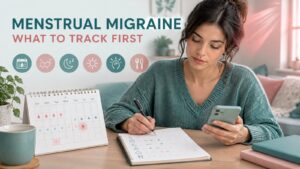
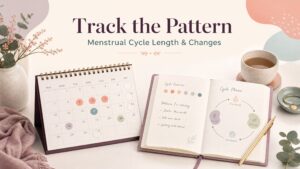
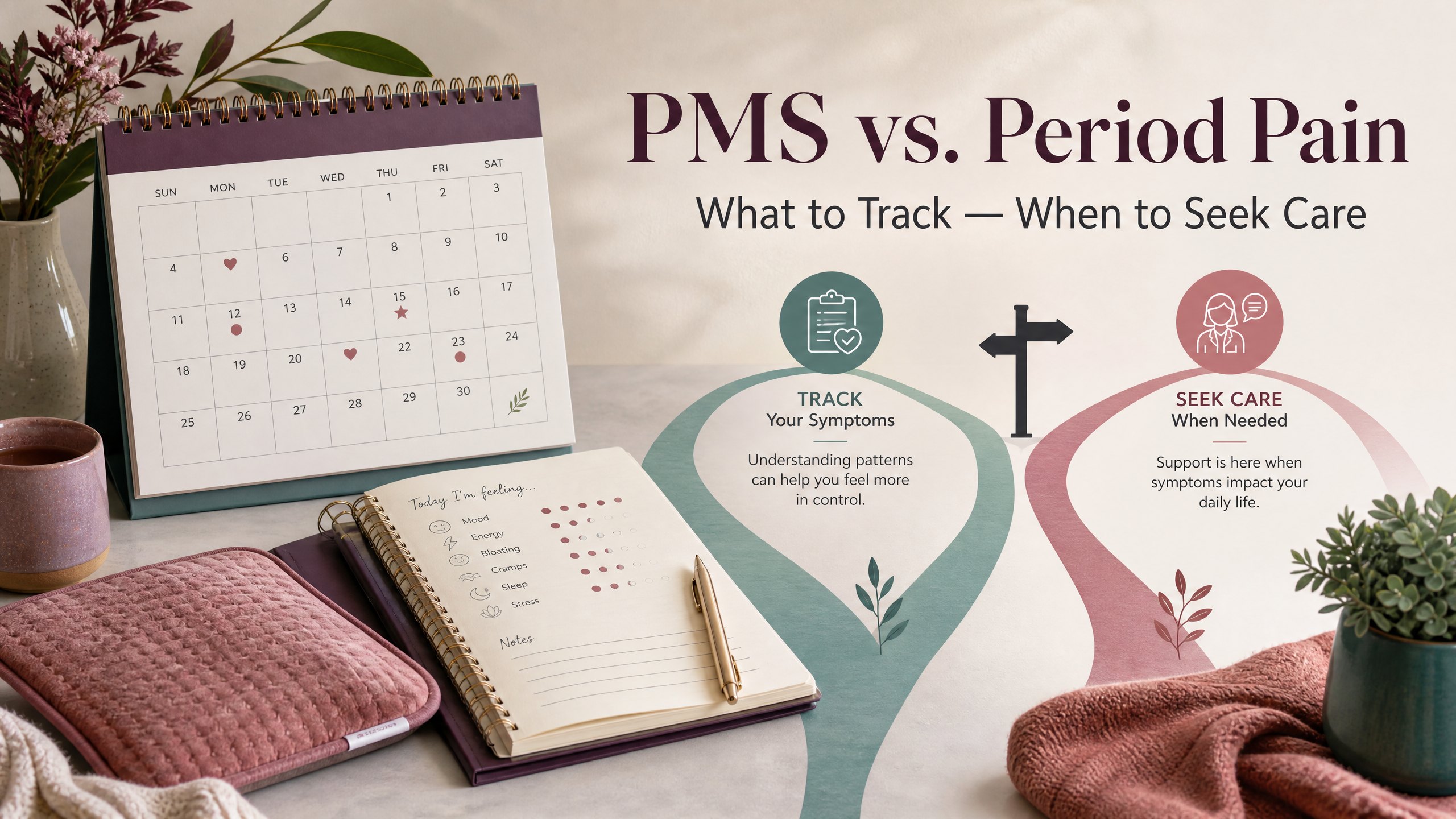
Keep a simple diary or use a cycle-tracking app to record when symptoms occur, how long they last, and how severe they are. Include notes about mood, pain level, flow, and any interventions you try.
Self-care measures often recommended around the menstrual cycle include regular physical activity, adequate sleep, and balanced meals. Eating patterns that support overall health and meet nutrient needs are important for menstrual health, and health agencies encourage a varied, nutrient-rich diet throughout the month.
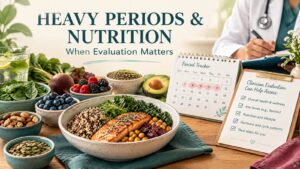
If your periods are heavy, remember that menstrual blood loss is a common cause of iron depletion in people of reproductive age. If you have heavy or prolonged bleeding, ask your clinician whether iron status should be checked.
When to seek care
- Bleeding that is very heavy (for example, soaking through a pad or tampon quickly), lasts much longer than usual, or is accompanied by lightheadedness or fainting.
- Pelvic pain that is new, severe, or getting worse and limits your daily activities despite home measures.
- Periods that are consistently irregular, absent, or very unpredictable.
- Severe mood symptoms that interfere with work, relationships, or daily functioning, or that are a marked change from your usual pattern.
- Any concern about pregnancy, unusual vaginal discharge, fever, or other signs of infection.
When you see a clinician, bring your symptom notes (timing, severity, and how symptoms affect life). Your clinician may ask about menstrual history, perform an exam, or recommend tests such as blood work or imaging depending on the situation.
What you can expect from clinical care
Care depends on the pattern and severity of symptoms. For heavy or abnormal bleeding, a clinician will seek to identify and treat any underlying causes. For severe pain, evaluation may look for conditions such as endometriosis or other gynecologic disorders. Treatment options can include lifestyle measures, medications, or other interventions tailored to the underlying cause and your goals for symptom control and fertility.
Note: This article is informational and not a substitute for professional medical advice. If you are experiencing concerning symptoms, contact a health care professional.
When pregnancy or nutrition matters
If you are pregnant or think you might be, discuss symptoms with a clinician—some bleeding or pain in pregnancy can signal complications. From a nutrition perspective, maintaining adequate intake of iron and other key nutrients is important across the reproductive years; discuss testing or supplementation with your clinician before starting new supplements.
Bottom line
PMS and period pain are different mainly in timing and symptom type: PMS usually causes mood and physical symptoms before bleeding begins, while period pain is cramping that occurs with menstruation. Tracking your cycle and symptoms, using lifestyle measures to support general health, and seeking care when bleeding or pain is severe or changing will help determine whether symptoms are part of typical menstrual patterns or reflect a treatable condition.