In this guide
- Key takeaways
- Why product names and labels change after a safety warning
- How name changes typically appear
- How to spot a potentially problematic renamed product
- What to do if you suspect a renamed or unsafe product
- Limitations and what the FDA’s lists do — and don’t — show
- When to contact a clinician
- Reporting and consumer-protection resources
- Safety disclaimer
- Safety disclaimer
- References
- Related VitaEvidence reading
Category: FDA Warnings and Safety Updates
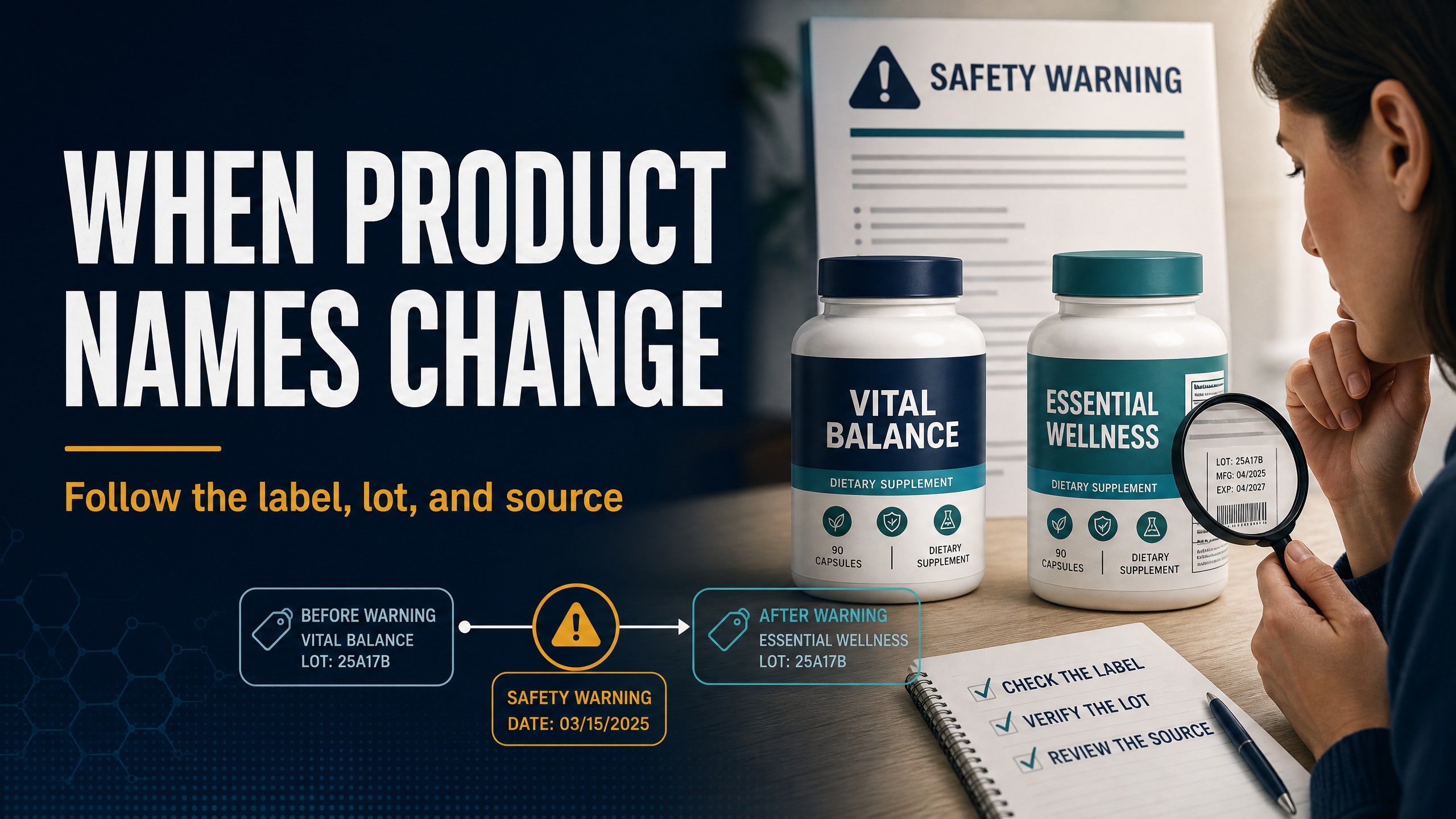
When the U.S. Food and Drug Administration (FDA) or other authorities identify a safety problem with a marketed product, consumers sometimes see that product reappear under a different name, label, or brand. That can happen for legitimate reasons, such as a reformulation or label correction. A changed name or package alone does not prove that a product is safe or that enforcement is being evaded; consumers should compare the exact product, lot, ingredients, and agency notice. This article explains common patterns in name changes after safety warnings, how to spot suspicious relabeling, and practical steps you can take to protect yourself.
Key takeaways
- After a safety notice, products may be relabeled, repackaged, reformulated, or sold under a new brand. Some changes are legitimate; others may be attempts to evade enforcement. (See FDA health-fraud notices and database.)
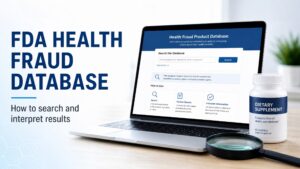
- The FDA publishes specific medication and health-fraud notifications and maintains a searchable Health Fraud Product Database to help consumers identify problematic items.
- If you see a product that looks like a previously warned product, stop using it, keep the packaging, check FDA resources, and report it to the FDA and other authorities. Seek medical care if you have adverse effects.
Why product names and labels change after a safety warning
- Legitimate reasons: Manufacturers may reformulate a product to correct a safety issue, update names for marketing, consolidate brands, or change suppliers. Legitimate changes should be reflected on the label (for example, changes to Manufacturer or Distributor fields) and in the product’s ingredient statements. The FDA provides guidance on how dietary supplements should be labeled and what consumers can expect to find on a Supplement Facts panel and product label. (See FDA dietary supplements and the FDA dietary supplement labeling guide.)
- Illicit reasons: Some sellers may change a product’s name, packaging, or description to avoid detection after an FDA warning, especially if the product contained undeclared or “hidden” active drug ingredients. The FDA has documented cases where products — including “honey-based” remedies and marketed sexual-enhancement or energy products — contained hidden prescription drug ingredients or other unauthorized substances. In many cases the same or very similar products re-enter the market under different names or packaging. (See FDA hidden ingredients guidance; FDA tainted honey notice; FDA sexual enhancement and energy product notifications; FDA medication health fraud notifications.)
How name changes typically appear
- Minor tweaks: Slight changes to the brand name, punctuation, or the addition of words like “Ultra,” “Plus,” or “New Formula.”
- New brand or distributor: The product appears under a different company or brand name while packaging, dose forms, or marketing claims look similar.
- Different claims or channels: The product returns with altered health claims, different ingredient emphasis, or is sold through other online marketplaces.
- Repackaging or language changes: Same products marketed with different packaging graphics, languages, or targeted to different audiences.
How to spot a potentially problematic renamed product
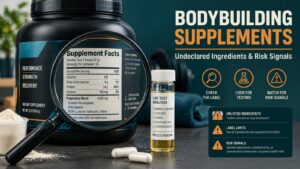
- Compare labels carefully. Look at the Supplement Facts (or Drug facts) and ingredient lists. If an item that was previously warned about appears to have the same undisclosed or unusual active ingredients, that’s a red flag. The FDA’s guidance on hidden ingredients and supplement labeling explains what you should expect to find on a legitimate label. (See FDA hidden ingredients guidance; FDA dietary supplement labeling guide.)
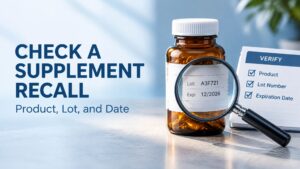
- Look for the same warnings or consumer reports. If an FDA notice named a product (or identified a specific formulation), check the FDA Health Fraud Product Database and medication health-fraud notifications to see if the item, ingredient, or identifying features match. (See FDA health fraud database; FDA medication health fraud notifications.)
- Check seller and manufacturer information. Legitimate manufacturers list verifiable company information. If contact details are missing, inconsistent, or point to an unrelated business, be cautious.
- Watch for “new” or “secret” ingredients. Promises of a secret proprietary ingredient or a “special” drug-like effect are common in products later found to contain hidden pharmaceuticals. (See FDA hidden ingredients guidance and the FDA sexual enhancement/energy product notifications.)
- Search official FDA notices. The FDA posts specific product warnings and updates; many products removed or warned about are listed in the FDA’s health-fraud notifications and the Health Fraud Product Database. If a product fits a previously notified description, treat it with caution. (See FDA health fraud database; FDA medication health fraud notifications.)
What to do if you suspect a renamed or unsafe product
- Stop using the product. If you suspect it is the same or similar to a product previously warned about, or if you feel unwell after using it, discontinue use immediately.
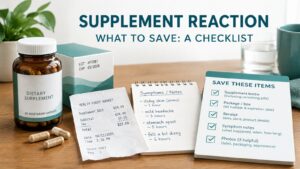
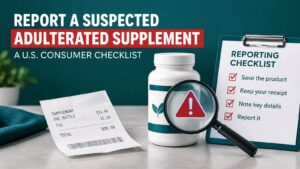
- Preserve evidence. Keep the product, packaging, receipts, and any labels or photos. These materials can help regulators identify and trace the product.
- Check FDA resources. Search the FDA Health Fraud Product Database and the FDA’s medication health-fraud and product-specific notifications to see whether the item or its ingredients have been flagged. (See FDA health fraud database; FDA medication health fraud notifications.)
- Report the product. Report suspicious or harmful products to the FDA (the FDA provides ways to contact CDER and report human-drug or health-fraud concerns). You can also report deceptive advertising or false health claims to the Federal Trade Commission (FTC). (See FDA reporting suspicious products; FTC health claims and compliance guidance.)
- Seek medical care if needed. If you have symptoms, an allergic reaction, or other health concerns after using a product, contact your healthcare provider right away or call Poison Control at 1-800-222-1222. If the product may interact with prescription medications or worsen a medical condition, discuss it with your clinician. (See our internal resource on supplements and medication interactions: /supplements-medication-interactions-questions/.)
Table: Quick actions if you find a suspected renamed product
| Situation | What it may indicate | Practical steps |
|—|—:|—|
| Product looks like a previously warned item but has a new name | Possible relabeling to continue sales | Stop use, keep package, search FDA Health Fraud Database, report to FDA |
| Product claims a “secret” or “pharmaceutical-like” effect | Potential hidden drug ingredients | Stop use, preserve packaging, report to FDA, avoid sharing product |
| Product marketed with misleading health claims | Possible deceptive advertising (FTC may act) | Report to FTC and FDA; save advertisements/screenshots |
| You feel ill after using the product | Possible adverse reaction or interaction | Seek medical care, call Poison Control, report to FDA |
Limitations and what the FDA’s lists do — and don’t — show
- An FDA warning about a specific product applies to what the FDA examined at that time. The agency may identify the same ingredients or the same manufacturing problem in other products, but not every product with a similar name is automatically unsafe.
- The FDA does not approve dietary supplements before they go to market. That means a product may legally be sold without premarket FDA approval, but it still must not contain undisclosed drugs or dangerous contaminants. The FDA offers resources explaining how dietary supplements are regulated and what consumers should expect on labels. (See FDA dietary supplements; FDA Questions and Answers about dietary supplements.)
- Detection and enforcement take time. The FDA posts updates and health-fraud notifications as it evaluates and tests products; absence of a listing does not guarantee a product is safe.
When to contact a clinician
- Seek immediate medical attention if you experience severe symptoms (difficulty breathing, chest pain, sudden dizziness, severe allergic reactions, or other concerning signs) after using a product.
- Contact your healthcare provider if you have ongoing or unusual symptoms, or if you used a supplement that could interact with your prescription medications or health conditions. If you take prescription medicines or have chronic diseases, clinicians can advise whether a product might pose risks. (See our internal guidance on supplement–medication interactions: /supplements-medication-interactions-questions/.)
Reporting and consumer-protection resources
- FDA Health Fraud Product Database — search for products that have been the subject of FDA action or testing: https://www.fda.gov/consumers/health-fraud-scams/health-fraud-product-database
- FDA medication health-fraud and product notifications — product-specific notices and updates: https://www.fda.gov/drugs/medication-health-fraud/medication-health-fraud-notifications
- For products containing hidden or undeclared drug ingredients, see FDA guidance on avoiding products with hidden ingredients: https://www.fda.gov/drugs/medication-health-fraud/avoiding-products-contaminated-hidden-ingredients
- To report suspicious products or adverse events to the FDA: https://www.fda.gov/about-fda/cder-contact-information/ways-consumers-contact-fda-about-human-drugs
- The FTC provides guidance on truthful advertising and how to report deceptive health claims: https://www.ftc.gov/news-events/topics/truth-advertising/health-claims and https://www.ftc.gov/business-guidance/resources/health-products-compliance-guidance
Safety disclaimer
This article is educational and does not replace professional medical advice. If you have health concerns related to a product, contact a healthcare professional. Report suspected counterfeit, contaminated, or misbranded products to the FDA and, if applicable, to local poison-control or emergency services.
Safety disclaimer
This article provides general information and is not medical advice. It is not a substitute for professional medical evaluation. If you have health concerns, consult a licensed clinician.
References
- https://www.fda.gov/drugs/medication-health-fraud/avoiding-products-contaminated-hidden-ingredients
- https://www.fda.gov/consumers/health-fraud-scams/tainted-honey-based-products-hidden-active-drug-ingredients
- https://www.fda.gov/consumers/health-fraud-scams/health-fraud-product-database
- https://www.fda.gov/food/dietary-supplements
- https://www.fda.gov/food/information-consumers-using-dietary-supplements/questions-and-answers-dietary-supplements
- https://www.fda.gov/food/dietary-supplements-guidance-documents-regulatory-information/dietary-supplement-labeling-guide
- https://www.fda.gov/drugs/medication-health-fraud-notifications/sexual-enhancement-and-energy-product-notifications
- https://www.fda.gov/drugs/medication-health-fraud/medication-health-fraud-notifications
- https://www.ftc.gov/news-events/topics/truth-advertising/health-claims
- https://www.ftc.gov/business-guidance/resources/health-products-compliance-guidance
- https://www.fda.gov/about-fda/cder-contact-information/ways-consumers-contact-fda-about-human-drugs
Last reviewed: August 2026
VitaEvidence Editorial Team