In this guide
- Key takeaways
- Why sleep supplement claims can be misleading
- Common overpromising claims to question
- What to look for on the label
- Red flags in marketing and packaging
- Practical steps before trying a sleep supplement
- When to contact a clinician
- How to report suspicious products
- Limitations and final caution
- Safety disclaimer
- Safety disclaimer
- References
- A cautious decision path
- Related VitaEvidence reading
Category: Sleep, Pain, and Everyday Supplements
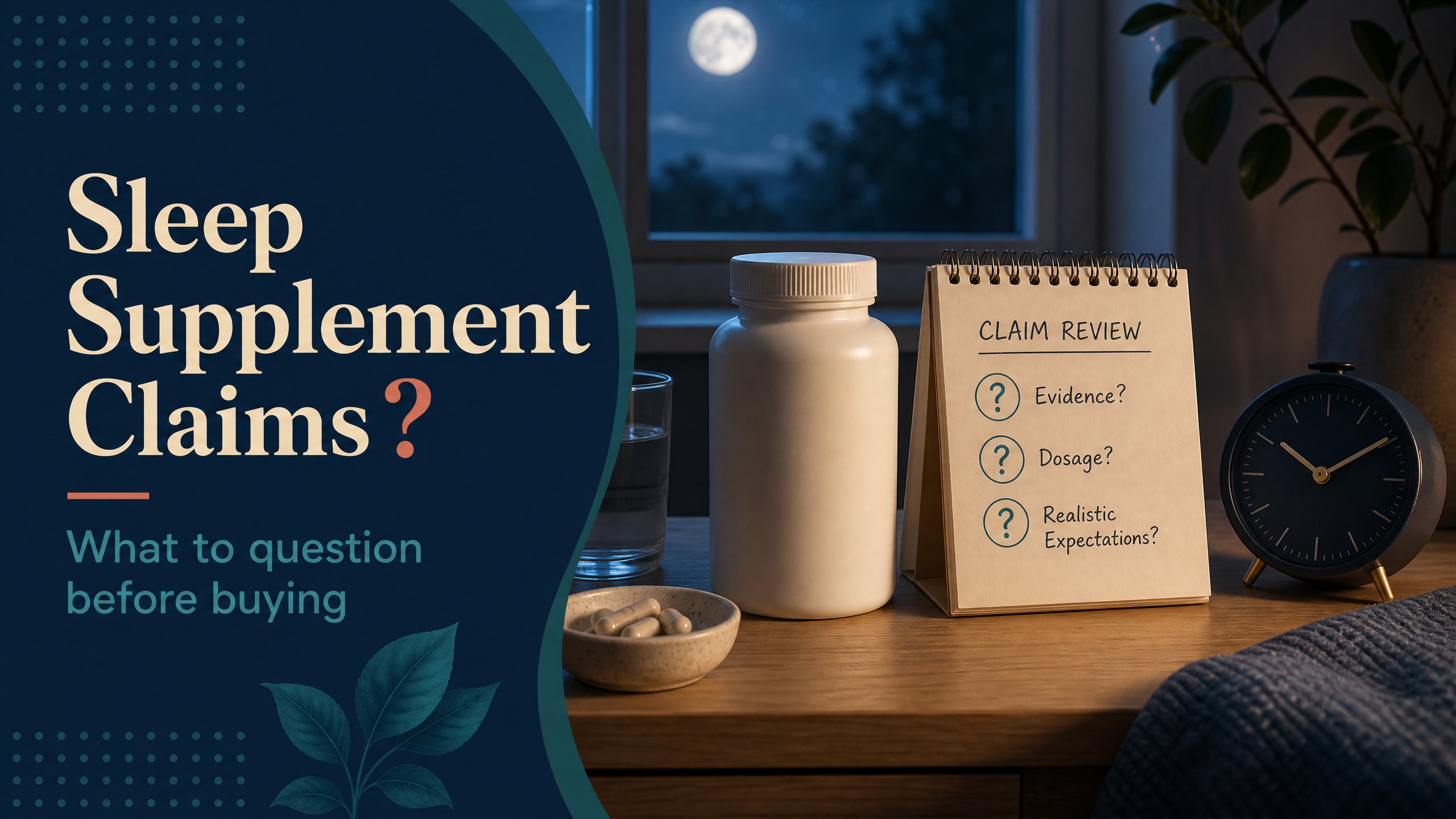
Many over-the-counter sleep supplements promise fast, deep, drug-free sleep. Some labels and ads claim to “reset your sleep cycle,” “guarantee no morning grogginess,” or “work for anyone.” While some ingredients (such as melatonin) may help some people with sleep onset, the supplement market is large and loosely regulated. That makes it important to separate reasonable claims from red flags and to take practical steps before trying a product.
This article explains common marketing claims to question, how to spot possible safety problems (including hidden or undeclared ingredients), what to check on a label, and when to talk with a clinician. It is educational information, not individualized medical advice.
Key takeaways
- Dietary supplements are regulated differently from prescription drugs; manufacturers do not need FDA pre‑market approval for most products. (See FDA dietary supplements information.)
- Watch for overbroad promises (“works for everyone,” “drug-like results,” “overnight cure”) and for claims that a product is “natural” or “non‑habit forming” without evidence.
- The FDA has found some products marketed for sleep, sexual enhancement, weight loss, and other uses that were contaminated or contained hidden active drug ingredients. Check the FDA’s health fraud database and medication‑fraud notifications for alerts.
- Ask a clinician before trying a sleep supplement if you take medicines, have chronic health conditions, are pregnant or breastfeeding, or have severe or persistent sleep problems.
Why sleep supplement claims can be misleading
- Supplements are not reviewed and approved by the FDA for safety and effectiveness in the same way prescription drugs are. Manufacturers are responsible for ensuring their products are safe and accurately labeled, but pre‑market approval is generally not required. For basic regulatory details, see the FDA dietary supplements page.
- Marketing can blur the line between general wellness and medical claims. The Federal Trade Commission (FTC) enforces truth in advertising; unsupported health claims or misleading testimonials are subject to enforcement. (See FTC guidance on health claims.)
- Some products marketed for sleep may contain undeclared prescription‑drug ingredients or other contaminants. The FDA has issued warnings about products with hidden active drugs in multiple categories; these findings are product‑specific, and a single alert does not mean every product with a similar name is unsafe. See the FDA’s guidance on avoiding products contaminated with hidden ingredients and its health fraud database for specific examples.
Common overpromising claims to question
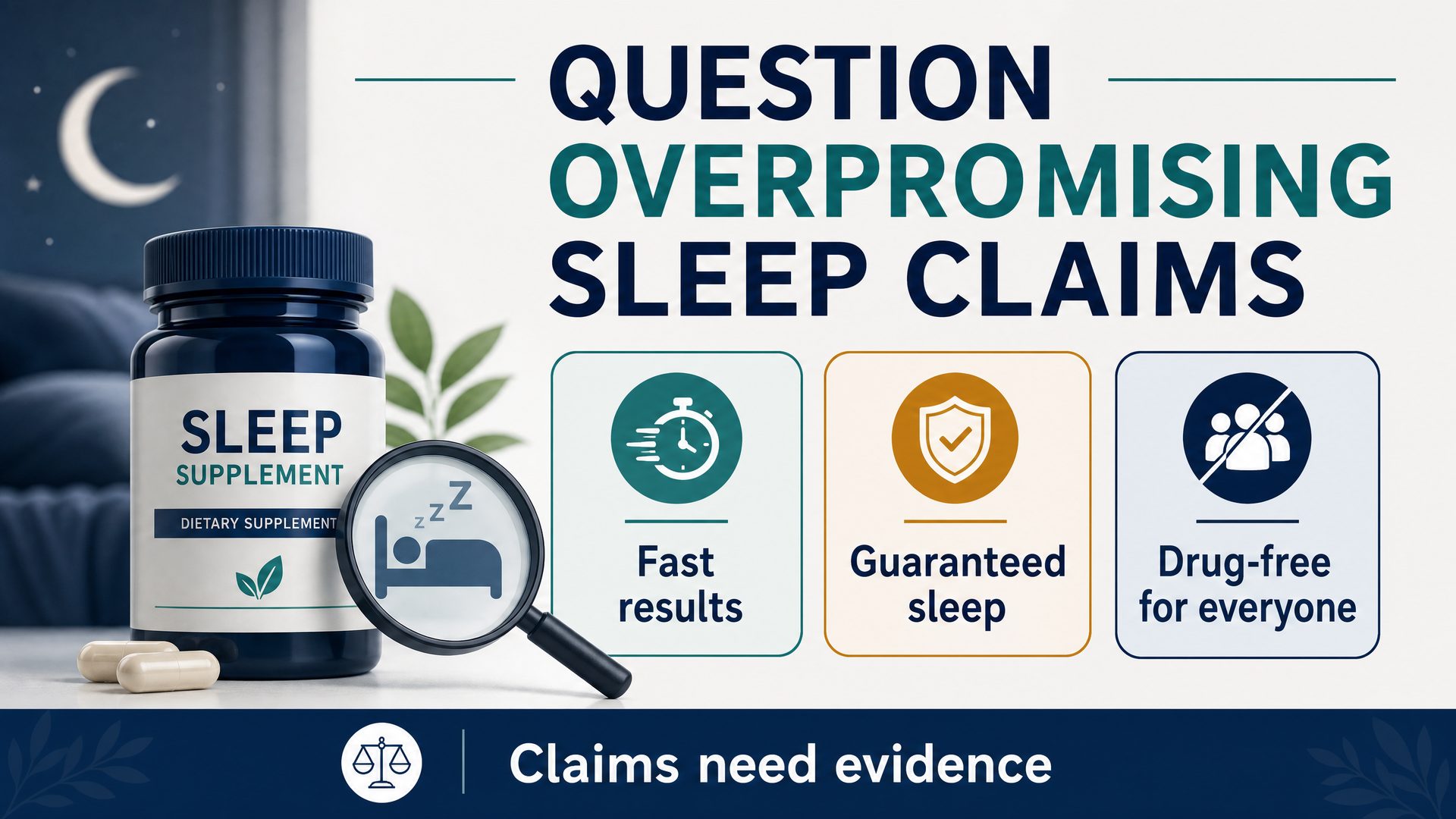
- “Works overnight for everyone”: Sleep needs and underlying causes of insomnia vary. No supplement has been shown to produce the same result for everyone.
- “Complete sleep cure” or “fixes chronic insomnia”: Chronic insomnia may have medical, psychiatric, behavioral, or environmental causes that require evaluation and treatment.
- “Drug‑like effects without side effects” or “as effective as prescription sleep medicines”: Prescription sleep medicines have known risks and monitored dosing; supplements are different compounds and may not have comparable evidence or safety profiles.
- “100% natural = completely safe”: Natural does not automatically mean safe, and some natural ingredients can interact with medications or cause side effects.
- “Non‑habit forming” or “no withdrawal” claims without supporting evidence: Long‑term safety and dependence potential are often not well studied for many supplements.
- Testimonials implying guaranteed outcomes: Anecdotes do not establish safety or effectiveness.
Hidden or undeclared ingredients: a real safety concern
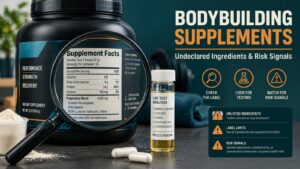
The FDA has repeatedly found products in different categories that contained hidden active drugs or other undeclared compounds. These are product‑specific findings, documented in the FDA’s medication health‑fraud notifications and health fraud database. Some items marketed in nonprescription forms (for example, some honey‑based products or supplements for sexual enhancement, energy, or weight loss) were found to contain undeclared drug ingredients. To reduce risk:
– Check the FDA’s health fraud database and the medication health fraud notifications for current alerts.
– Look for official recall or warning notices before buying a product. The FDA’s guidance on avoiding products contaminated with hidden ingredients explains how consumers can stay informed.
What to look for on the label
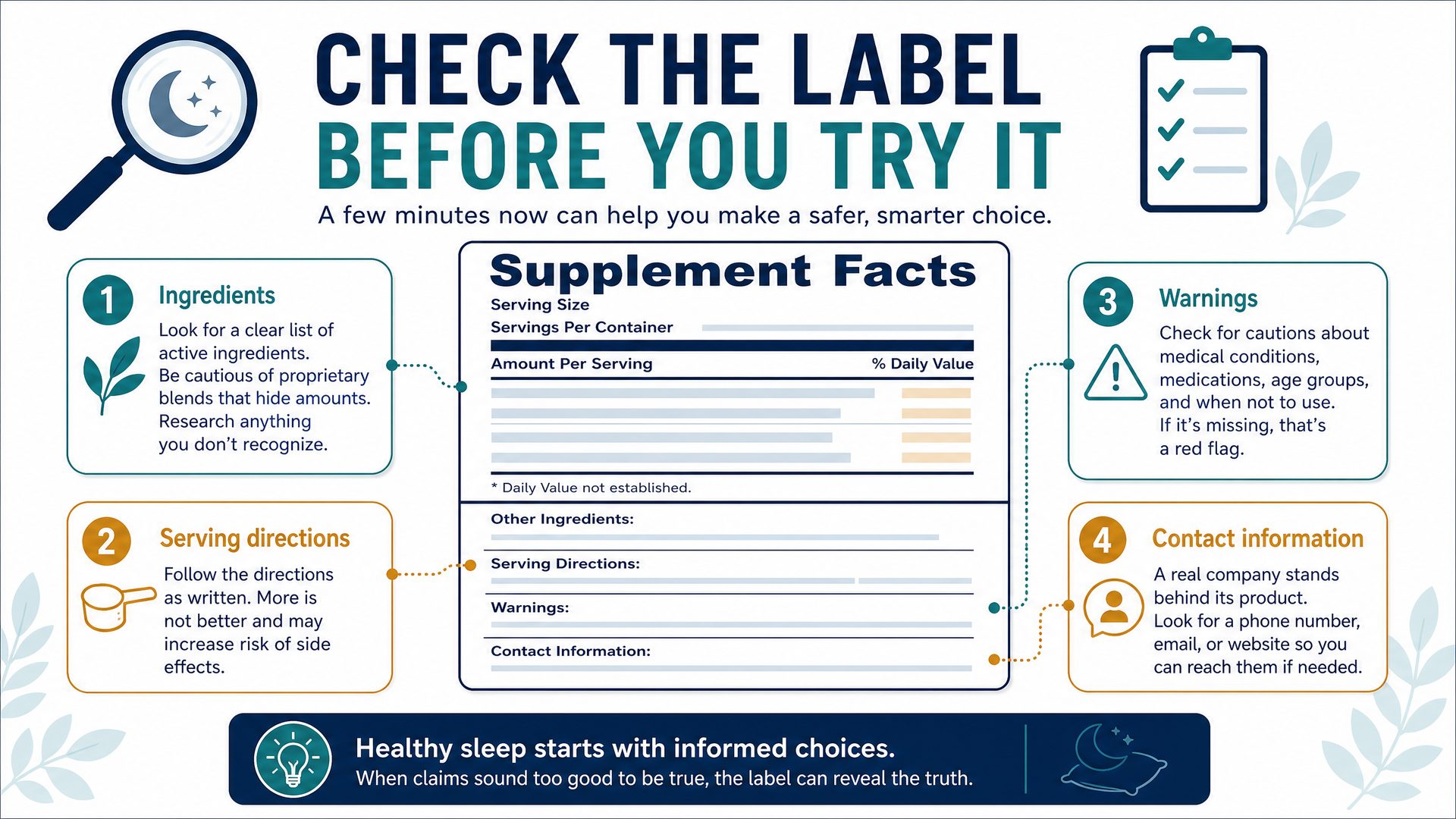
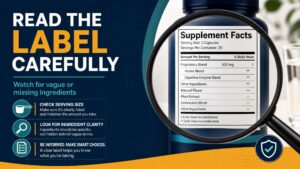
- Supplement Facts: Check serving size, listed ingredients, and total amounts. If the label lacks a clear Supplement Facts panel or lists vague ingredients (e.g., proprietary blend with no amounts), that’s a concern. (See FDA’s dietary supplement labeling guide.)
- Manufacturer and contact information: Reputable manufacturers provide a physical address and a phone or website for questions.
- Third‑party testing seals: Voluntary testing by independent organizations can add confidence, but seals are not a guarantee; verify the organization and what the seal covers.
- Claims vs. structure/function statements: Labels often use “structure/function” claims (e.g., “supports relaxation”) rather than disease claims (e.g., “treats insomnia”). Disease claims would require drug approval. If a product claims to treat or cure a medical condition, treat that as a red flag and examine evidence and safety more closely.
- Warnings and contraindications: Read any listed precautions, and compare them to your health conditions and medications.
Red flags in marketing and packaging
- Big promises (“guaranteed,” “fastest,” “clinically proven”) without accessible scientific references.
- Celebrity endorsements or dramatic before‑and‑after claims with no independent evidence.
- Claims of FDA approval or endorsement for a supplement — the FDA generally does not approve dietary supplements.
- Products marketed exclusively online with no clear company contact information.
- Packaging that mimics prescription drugs or medical devices to imply medical legitimacy.
Practical steps before trying a sleep supplement
- Understand your sleep problem. Ask: Do you have trouble falling asleep, staying asleep, waking too early, or nonrestorative sleep? Chronic sleep problems deserve clinical evaluation.
- Review your medications and supplements. Some sleep ingredients (or contaminants) can interact with prescription drugs, over‑the‑counter medicines, or other supplements. If you have medication concerns, consult a clinician. See our resource on supplements and medication interactions (/supplements-medication-interactions-questions/).
- Start with proven, low‑risk measures. Good sleep hygiene and behavioral approaches (like cognitive behavioral therapy for insomnia) are evidence‑based first steps for many people.
- Check public safety databases. Search the FDA’s health fraud database and medication health fraud notifications to see if the product or brand appears in alerts. Use the FDA’s guidance on avoiding products contaminated with hidden ingredients to learn what to watch for.
- If you choose a supplement, buy from a reputable source, follow dosing instructions on the label, and monitor for side effects.
Table: Claims to question — what to ask and what to do
| Claim on label or ad | Questions to ask | Practical next step |
|—|—:|—|
| “Works overnight / guaranteed” | Is there high‑quality clinical evidence? Who funded the research? | Look for independent studies; be skeptical of single‑study claims. |
| “Non‑habit forming / no withdrawal” | Is long‑term safety documented? Any studies on dependence? | Seek reliable evidence; consult a clinician if concerned. |
| “Natural and safe” | What is the ingredient and dose? Any known interactions? | Research ingredient safety and check drug interaction resources. |
| “Clinically proven” | Which clinical trials? Peer‑reviewed? Replicated? | Request study details or search the FDA health fraud database. |
| “FDA approved” (for a supplement) | Does the product actually have a drug approval or is this a misuse of FDA’s name? | Check FDA website; the FDA generally does not approve dietary supplements. |
When to contact a clinician
- Your sleep problems are severe, frequent, or causing daytime impairment (difficulty concentrating, mood changes, falls at night).
- You are pregnant, breastfeeding, elderly, or have chronic health conditions (cardiovascular disease, liver disease, psychiatric conditions).
- You take prescription medications or are on hormone therapy — to review interactions.
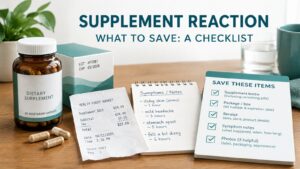
- You experience unexpected side effects after starting a supplement (worsening sleep, dizziness, palpitations, allergic reaction, or new symptoms).
- You’re considering combining multiple sleep supplements or using higher-than-recommended doses.
How to report suspicious products
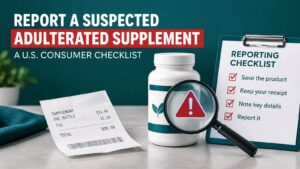
If you suspect a product contains undeclared ingredients, is contaminated, or caused harm, report it:
– Use the FDA’s health fraud database and follow guidance on how to contact the FDA about human drugs. See the FDA’s page on ways consumers can contact FDA about human drugs.
– False or misleading advertising may also be reportable to the FTC. See the FTC’s consumer and business guidance on health claims and compliance.
Limitations and final caution
This article summarizes regulatory information and consumer guidance; it does not evaluate individual products. FDA actions documented on the agency’s pages are product‑specific; a warning about one product should not be generalized to all products with similar names. Scientific evidence for many supplement ingredients is limited or mixed, and quality can vary across brands and batches.
Safety disclaimer
This content is educational and not a substitute for professional medical advice, diagnosis, or treatment. Talk with a healthcare professional about your personal health needs before starting any new supplement, especially if you take medications, have chronic conditions, are pregnant or breastfeeding, or have persistent sleep problems.
Safety disclaimer
This article provides general information and is not medical advice. It is not a substitute for professional medical evaluation. If you have health concerns, consult a licensed clinician.
References
- FDA: Questions and Answers on Dietary Supplements
- FDA: Avoiding Products Contaminated with Hidden Ingredients
- FDA: Health Fraud Product Database
- FTC: Health Products Compliance Guidance
- NCCIH: Melatonin: What You Need to Know
Last reviewed: August 2026
VitaEvidence Editorial Team