In this guide
- Key takeaways
- Why reviews matter — and why they don’t prove safety
- How the law and FDA oversight affect what reviews can tell you
- Common ways reviews can mislead
- Examples and official findings
- Practical steps to evaluate product safety beyond reviews
- When to contact a clinician or seek care
- Limitations and realistic expectations
- Safety disclaimer
- Summary
- Safety disclaimer
- References
- Review signal versus safety evidence
- Related VitaEvidence reading
Category: Consumer Protection and Product Verification
Key takeaways
- Customer reviews can reflect satisfaction but do not reliably show that a dietary supplement is safe or free from hidden, harmful ingredients.
- Dietary supplements are not reviewed or approved by the FDA for safety and effectiveness before they are sold; manufacturers are responsible for safety and accurate labeling.
- The FDA has found marketed products that contained undeclared prescription drugs or other hidden active ingredients, sometimes in products with strong positive reviews.
- To protect yourself: read labels carefully, check official FDA databases and notifications, be cautious about extraordinary claims, and talk with a clinician if you have health conditions or use medications.
Why reviews matter — and why they don’t prove safety
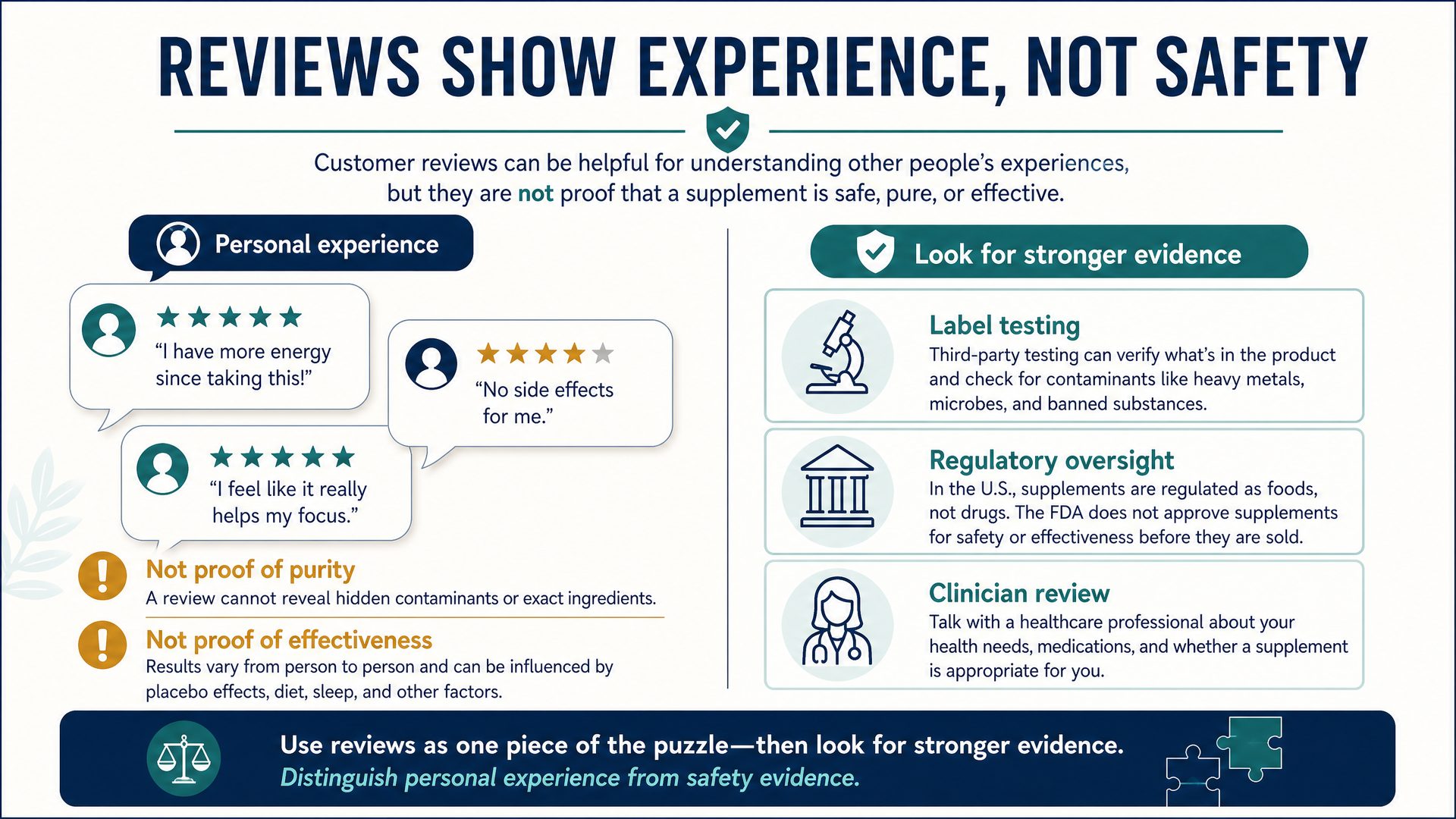
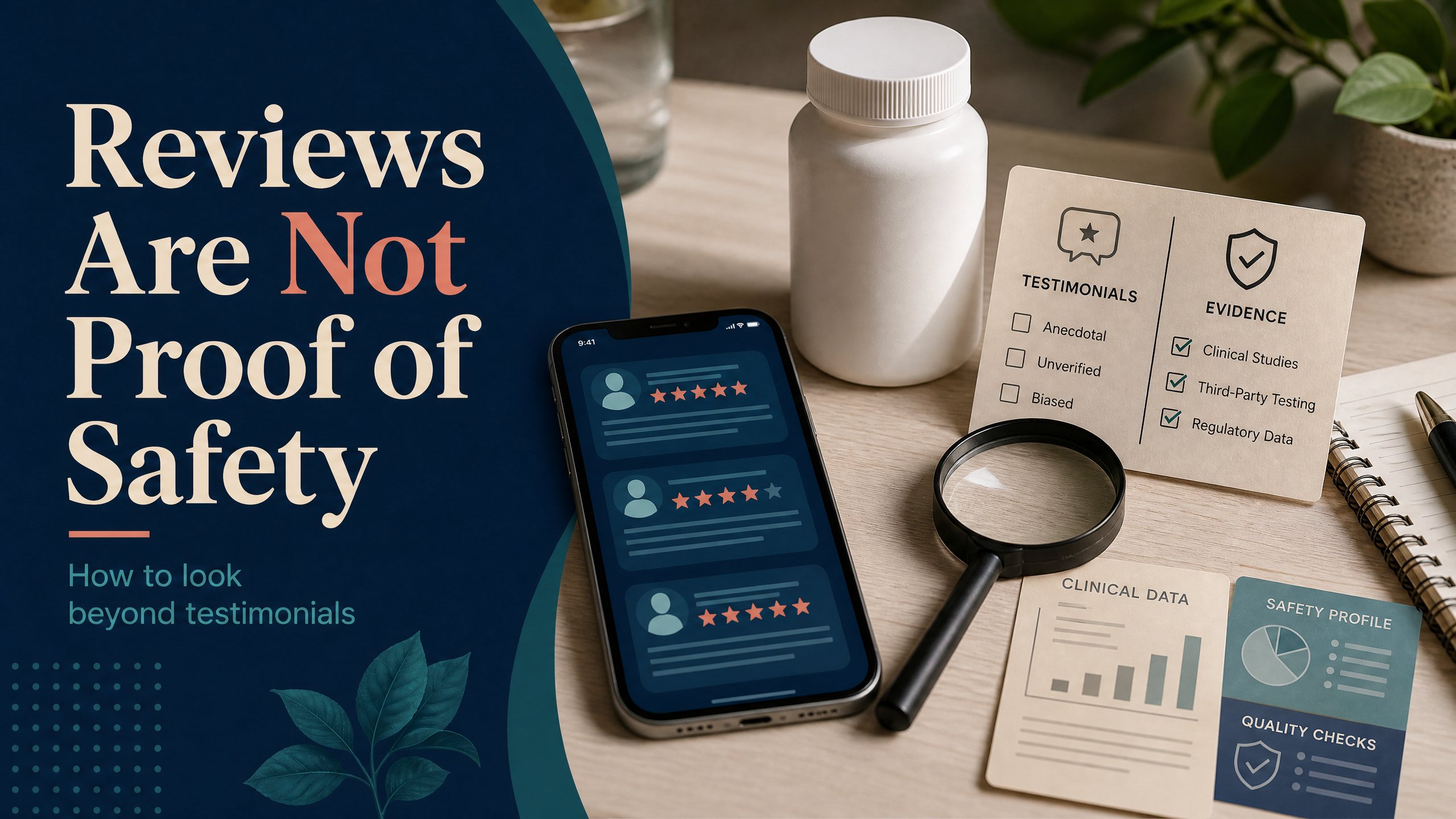
Online reviews can be useful: they may report how a product tasted, packaging quality, or whether a buyer experienced an intended short-term effect (for example, feeling less fatigued). But several important limitations mean positive reviews are not reliable proof that a supplement is safe:
- Reviews are subjective. A person’s positive experience does not guarantee the product is free of contaminants, adulterants, or undeclared active drugs.
- Reviews may be biased or fraudulent. Sellers or third parties can post fake reviews or selectively highlight favorable feedback.
- Reviews don’t capture long-term or rare harms. Many adverse effects show up only after wider use or over months to years; isolated reviewers rarely provide that perspective.
- Reviews rarely include objective testing. Consumers cannot tell from a review whether the ingredient amounts match the label, whether the product contained contaminants, or whether it was manufactured in a facility that follows good practices.
How the law and FDA oversight affect what reviews can tell you
In the United States, dietary supplements are regulated differently from prescription or over-the-counter drugs. The FDA does not pre‑approve dietary supplements for safety or effectiveness before they are marketed; instead, manufacturers are legally responsible for making sure products are safe and labeled accurately. This regulatory framework means that a supplement can reach consumers without FDA review that would independently verify safety or ingredient content (see FDA: Dietary Supplements and Questions & Answers about Dietary Supplements).
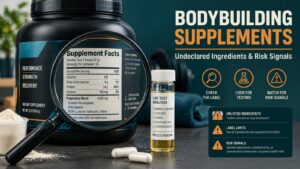
The FDA has documented cases in which marketed products were found to contain hidden or undeclared active drug ingredients. For example, the agency has alerted consumers about honey-based products that were found to include hidden active drug ingredients (FDA: Tainted Honey-Based Products). The FDA also maintains notifications and a database of health fraud and medication-health fraud actions where specific products were found to be adulterated or misbranded (FDA: Medication Health Fraud Notifications; FDA: Health Fraud Product Database).
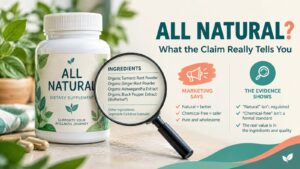
These official actions show that even products that look natural, have attractive reviews, or claim to be “herbal” can contain undisclosed substances. Positive reviews therefore cannot substitute for regulatory testing or laboratory analysis.
Common ways reviews can mislead
| How reviews can mislead | Why this matters |
|---|---|
| Selection bias | People who feel benefit are more likely to post reviews than those who do not, skewing impressions. |
| Short-term focus | Immediate effects are more often reported than delayed harms or cumulative toxicities. |
| Fake or incentivized reviews | Paid or manufactured reviews can inflate apparent satisfaction without reflecting real users. |
| Lack of ingredient verification | Reviews rarely include lab testing for purity, potency, or contaminants. |
| Confounding factors | Users may be taking other medications, changing diet/exercise, or experiencing placebo effects. |
Examples and official findings
The FDA’s actions provide concrete examples where marketed supplement-like products were found to contain hidden active drugs or other undeclared ingredients. These are product‑specific findings: they apply to the particular products the FDA tested and identified, not to all products with similar names or marketing. The existence of such findings is why regulators and public-health agencies advise caution and encourage consumers to rely on verified sources of information (see FDA: Avoiding Products Contaminated with Hidden Ingredients).
The Federal Trade Commission (FTC) also reminds companies that health-related claims must be truthful and substantiated; consumers should be skeptical of marketing that makes dramatic, unsupported promises (FTC: Truth in Advertising — Health Topics; FTC: Health Products Compliance Guidance).
Practical steps to evaluate product safety beyond reviews
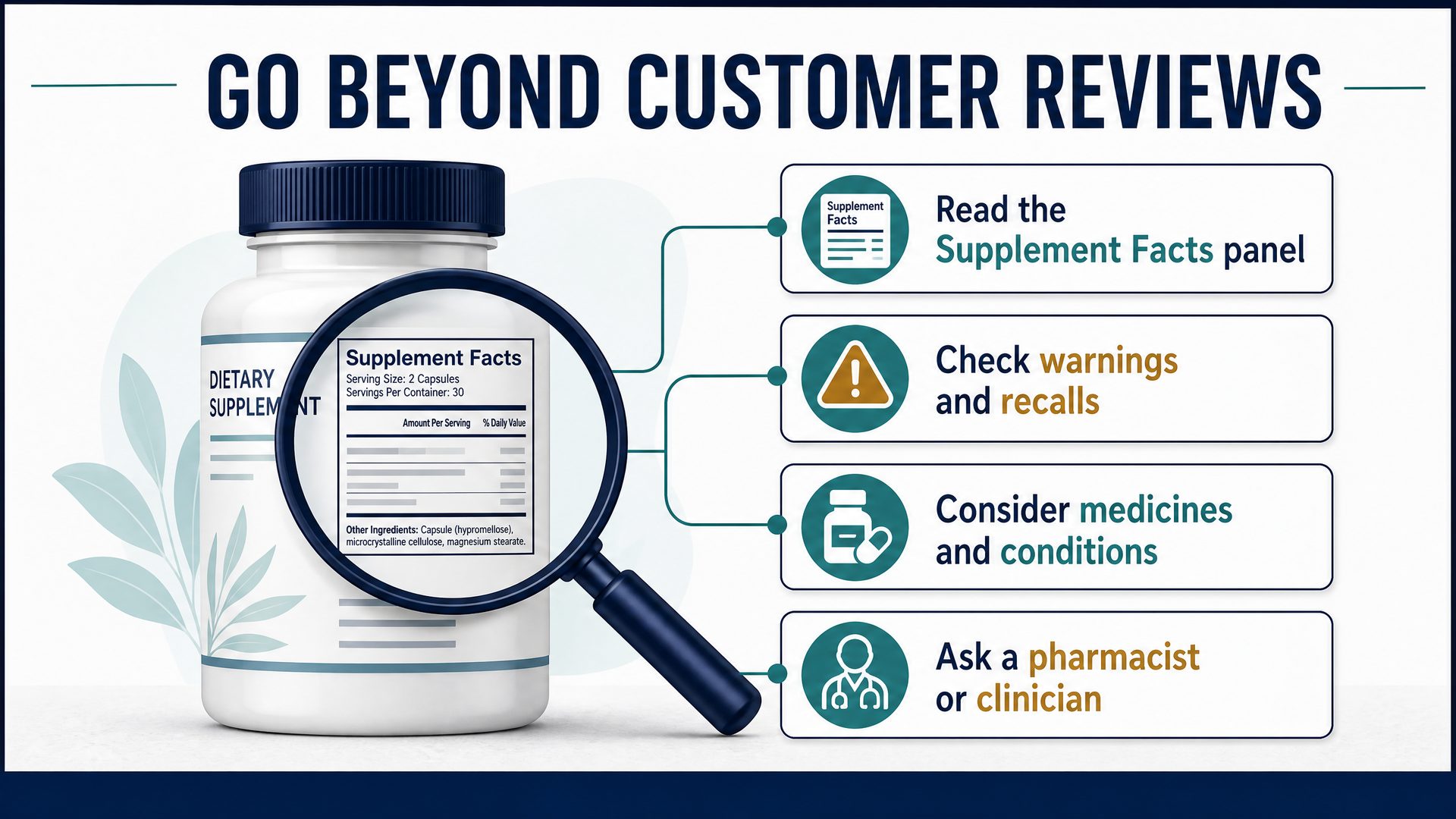
- Understand label claims and limits. Read the product label and Supplement Facts panel carefully. Labels can be misleading; the FDA provides guidance on dietary supplement labeling that explains what manufacturers must include and what claims they may make (FDA: Dietary Supplement Labeling Guide).
- Check official FDA resources. Use the FDA’s health fraud database and medication-health fraud notifications to see whether the agency has taken action against a named product or similar formulations (FDA: Health Fraud Product Database; FDA: Medication Health Fraud Notifications).
- Search for specific alerts. Look for FDA alerts about tainted products or hidden ingredients (for example, the FDA’s notices about tainted honey-based products) rather than relying on general impressions from reviews (FDA: Tainted Honey-Based Products; FDA: Avoiding Products Contaminated with Hidden Ingredients).
- Talk to a clinician when appropriate. If you are pregnant, breastfeeding, have chronic health conditions, or take prescription medications, consult a clinician before starting any supplement. Some supplements can interact with medications or worsen medical conditions (see our guide on supplements and medication interactions: /supplements-medication-interactions-questions/).
- Be cautious about extraordinary claims. If a product advertises dramatic cures or quick fixes, treat reviews and marketing claims with skepticism. The FTC requires truthful advertising for health claims and warns consumers to be wary of unproven assertions (FTC: Truth in Advertising — Health Topics).
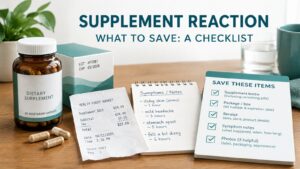
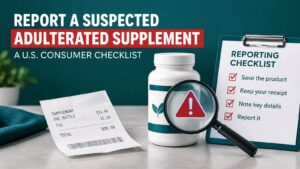
- Report suspicious products. If you suspect a product is mislabeled, contains undeclared ingredients, or caused harm, report it to the FDA. The agency provides ways for consumers to contact it about human drugs and suspected adverse events (FDA: Ways Consumers Contact FDA About Human Drugs).
When to contact a clinician or seek care
- You experience unexpected symptoms after taking a supplement, especially severe reactions (difficulty breathing, chest pain, fainting, severe rash, or signs of liver injury such as dark urine or jaundice).
- You are on prescription medications, have a chronic health condition, or are pregnant or breastfeeding — check with a clinician before starting any supplement.
- You suspect a supplement has harmed you or someone else. Your clinician can help evaluate symptoms, consider appropriate tests, and advise whether to report the adverse event to FDA MedWatch or other authorities.
Limitations and realistic expectations
- No single consumer action can guarantee a supplement’s safety. Laboratory testing and regulatory investigation are needed to detect undeclared pharmaceuticals, contaminants, or counterfeit products.
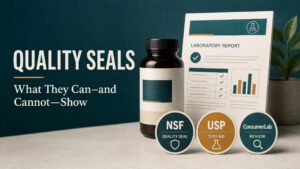
- Third‑party testing programs and certifications exist, but they vary in standards and scope. A third‑party seal does not replace the need for clinical guidance if you have medical conditions or take medications.
- Official sources such as the FDA and FTC provide alerts and guidance but may not list every problematic product immediately after it appears on the market. Ongoing vigilance is important.
Safety disclaimer
This article is educational and does not provide individualized medical advice. It does not diagnose or treat medical conditions. If you have health concerns or suspect a supplement has caused harm, contact a qualified clinician promptly.
Summary
Positive customer reviews can provide some consumer perspective on user experience, but they are not proof that a dietary supplement is safe, accurately labeled, or free from hidden and potentially harmful ingredients. Because the FDA does not pre‑approve dietary supplements for safety and because regulators have found products with undeclared active drugs or other adulterants, consumers should use official sources, read labels carefully, consult clinicians when appropriate, and report suspicious products to the FDA.
Safety disclaimer
This article provides general information and is not medical advice. It is not a substitute for professional medical evaluation. If you have health concerns, consult a licensed clinician.
References
https://www.fda.gov/drugs/medication-health-fraud/avoiding-products-contaminated-hidden-ingredients
https://www.fda.gov/consumers/health-fraud-scams/tainted-honey-based-products-hidden-active-drug-ingredients
https://www.fda.gov/consumers/health-fraud-scams/health-fraud-product-database
https://www.fda.gov/food/dietary-supplements
https://www.fda.gov/food/information-consumers-using-dietary-supplements/questions-and-answers-dietary-supplements
https://www.fda.gov/food/dietary-supplements-guidance-documents-regulatory-information/dietary-supplement-labeling-guide
https://www.fda.gov/drugs/medication-health-fraud-notifications/sexual-enhancement-and-energy-product-notifications
https://www.fda.gov/drugs/medication-health-fraud/medication-health-fraud-notifications
https://www.ftc.gov/news-events/topics/truth-advertising/health-claims
https://www.ftc.gov/business-guidance/resources/health-products-compliance-guidance
https://www.fda.gov/about-fda/cder-contact-information/ways-consumers-contact-fda-about-human-drugs
Last reviewed: August 2026
VitaEvidence Editorial Team