In this guide
- Key takeaways
- Why these claims deserve special attention
- Claim-Checking Flow
- What the FDA has said and done
- Common red flags on labels and in marketing
- Table — Red flags and what to do
- How hidden ingredients can harm you
- Practical steps before you buy or use a product
- When to stop the product and contact a clinician
- How to report suspicious or harmful products
- Limitations and realistic expectations
- Safety disclaimer
- Safety disclaimer
- References
- Related VitaEvidence reading
Category: Weight-Loss and Bodybuilding Products
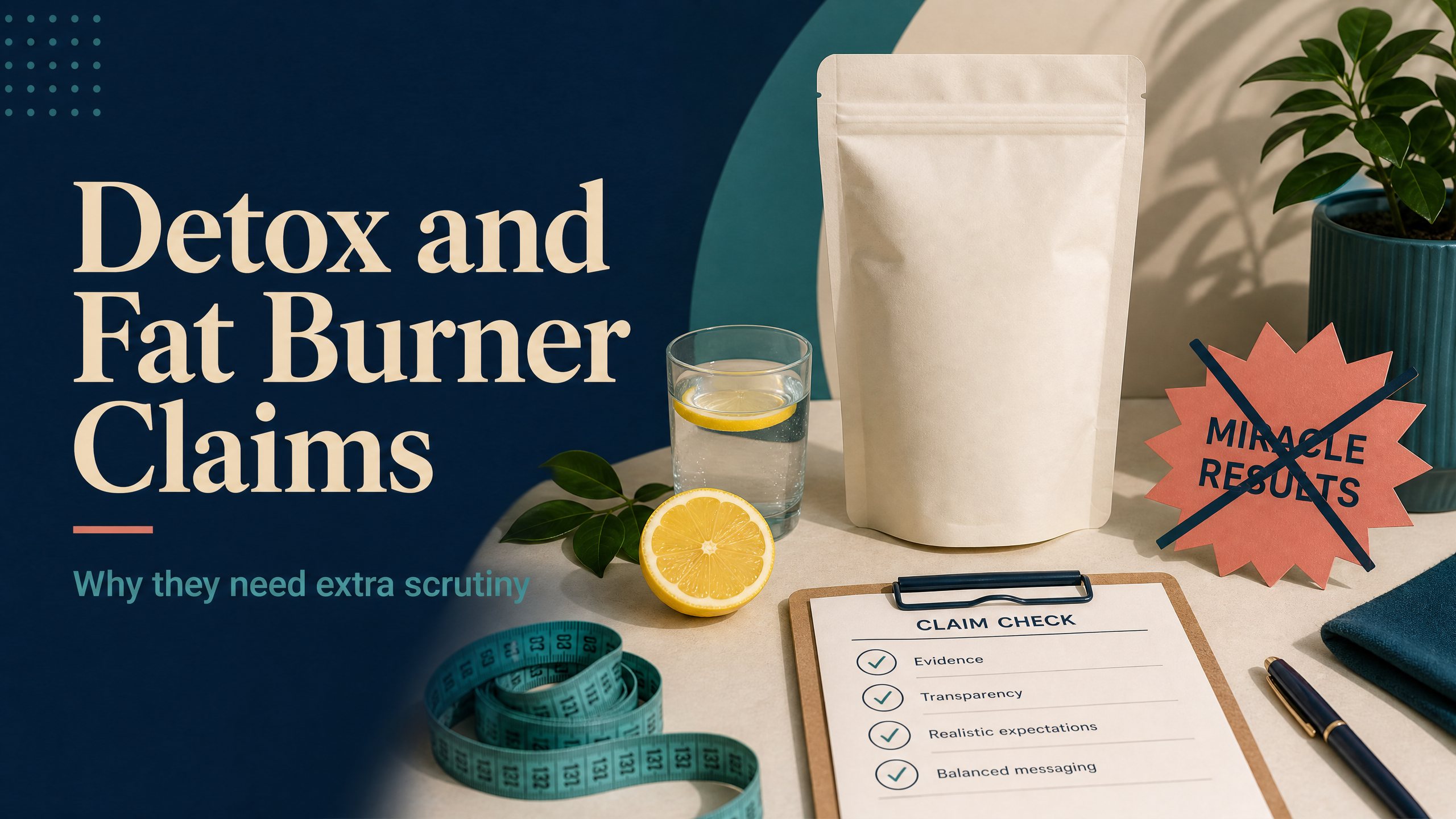
Products marketed as “detox,” “fat burners,” “metabolism boosters,” or similar are common in weight‑loss and bodybuilding aisles. Many are sold as dietary supplements or as “natural” remedies. Marketing language can be misleading, and regulators have identified specific products containing undeclared drugs or other hidden ingredients; those findings should not be generalized to every detox or fat-burner product. This article explains why extra caution is warranted, how to spot red flags, and practical steps you can take to protect your health.
Key takeaways
- The FDA has identified dietary supplements and other products marketed for weight loss, “detox,” sexual enhancement, or energy that contained hidden active drug ingredients or contaminants. These are not allowed to be sold as unapproved drugs. (See FDA resources in References.)
- “Detox” and “fat burner” are marketing terms rather than proof of a medical effect. They do not by themselves establish safety, effectiveness, or purity.
- Look for label transparency (complete Supplement Facts, no “proprietary blends”), third-party testing, and avoid products that promise rapid, dramatic weight loss.
- Report suspicious products to the FDA; seek medical care if you experience unusual symptoms after taking a supplement.
Why these claims deserve special attention
Claim-Checking Flow
Claim → Evidence → Context → Risk
- What exactly is being promised?
- What evidence supports the claim, and how strong is it?
- Does the evidence apply to this product and this person?
- What is the downside if the claim is wrong?
- Hidden active ingredients: The FDA has documented products marketed for weight loss, sexual enhancement, and energy that contained undeclared prescription‑strength drugs, drug analogues, or other pharmacologically active substances. These hidden ingredients can interact with medications, worsen medical conditions, or cause serious side effects. The FDA maintains notifications and a searchable health fraud product database documenting such findings. (See References.)
- Misleading or unsupported claims: Words like “detox,” “cleanse,” and “fat burner” suggest the product will remove toxins or substantially increase fat loss, but these claims often lack rigorous evidence. The Federal Trade Commission (FTC) enforces truth in advertising and warns that health claims must be supported by competent scientific evidence. (See References.)
- Regulatory limits for supplements: Dietary supplements are regulated differently than prescription drugs. Manufacturers do not need FDA pre‑market approval for most supplements, and the FDA’s role is primarily post‑market enforcement. This structure means unsafe or adulterated products may reach consumers before the FDA acts. (See References.)
What the FDA has said and done
- Guidance and alerts: The FDA offers guidance on avoiding products contaminated with hidden ingredients and has issued targeted notifications about specific products and product categories, including some sexual-enhancement, energy, and weight-loss products. The agency also maintains a Health Fraud Product Database where you can search for tainted products and public warnings. (See References.)
- Product seizures and recalls: When tests identify undeclared active drugs or contaminants, the FDA can ask manufacturers and retailers to remove products from the market and can issue public warnings. These actions apply to the specific products or batches tested; they don’t automatically mean all similar products are unsafe. The FDA’s public notifications list affected products so consumers can check whether a product they bought is included. (See References.)
Common red flags on labels and in marketing
- Big promises: “Lose X pounds in X days,” “melt fat fast,” “complete body detox,” or “clinically proven” without a clear, cited study are cause for skepticism.
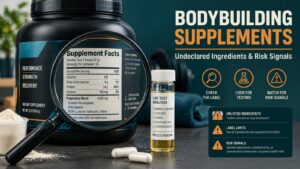
- Proprietary blends: Labels that list a “proprietary blend” without showing amounts for each ingredient make it hard to know how much of any active substance you would take.
- Imported or nonstandard ingredient names: Ingredients with unfamiliar chemical names, or references to obscure extracts with no explanation, should prompt caution.
- No Supplement Facts panel or unclear labeling: Legitimate dietary supplements should have a Supplement Facts label that lists serving size, ingredients, and amounts, and identify the manufacturer or distributor. (For tips on reading labels, see our guide: /how-to-read-supplement-facts-label/.)
Table — Red flags and what to do
| Red flag | Why it matters | What to do |
|---|---|---|
| Claims of rapid, dramatic weight loss | Likely unsupported; could rely on stimulants or unapproved drugs | Avoid product; look for independent clinical evidence |
| “Proprietary blend” hides amounts | Hard to assess dose or safety | Prefer products listing full ingredient amounts |
| No Supplement Facts or manufactured outside U.S. with vague contact info | Hard to verify contents or report problems | Skip product or verify manufacturer; keep receipt and label photo |
| Recent FDA warning listing the product | FDA found undeclared ingredients in that specific product | Stop using the listed product; follow FDA guidance |
| Celebrity endorsements or “miracle” before‑and‑after photos | Not scientific evidence | Seek peer‑reviewed research or regulatory status |
How hidden ingredients can harm you
Undeclared active pharmaceuticals or analogues can:
– Interact with prescription medicines (for example, blood thinners, heart medications, diabetes drugs).
– Increase risk for heart rhythm problems, high blood pressure, stroke, or other acute events.
– Cause allergic reactions, liver injury, or other organ toxicity.
Because many consumers take multiple supplements or medications, unlisted ingredients raise the risk of dangerous interactions. The FDA has specifically flagged products with hidden active drugs in its health fraud notifications and product database. (See References.)
Practical steps before you buy or use a product
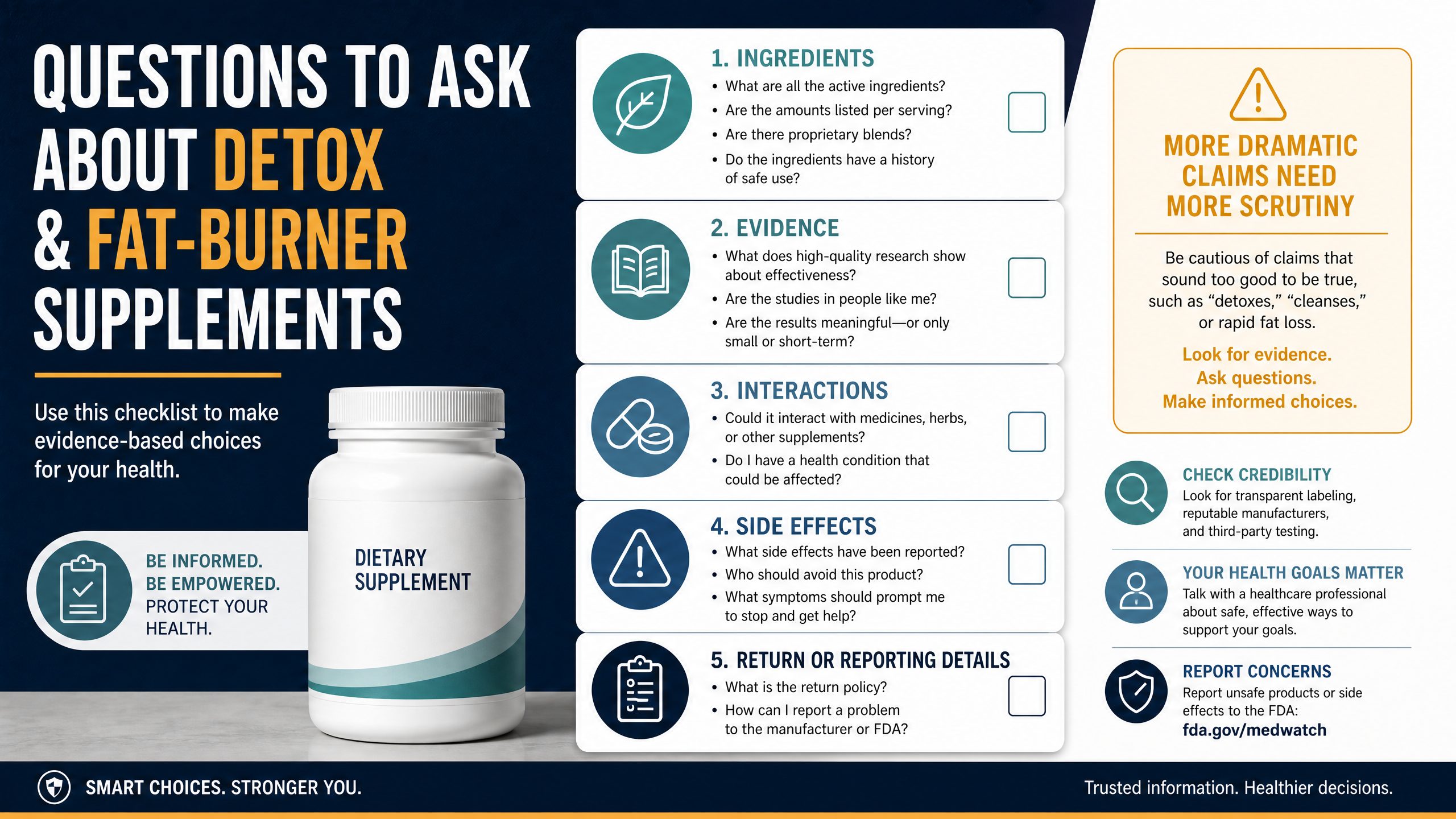
- Read the label carefully: Look for a clear Supplement Facts panel, ingredient names and amounts, manufacturer contact information, and lot/expiry details. (See /how-to-read-supplement-facts-label/ for more.)
- Be skeptical of quick fixes: Sustainable weight change typically involves diet, activity, and behavior changes. Claims of rapid weight loss from one pill or drink are unlikely to be evidence‑based.
- Check for FDA warnings: Search the FDA’s Health Fraud Product Database and medication/health fraud notifications for any product name, brand, or ingredient that looks familiar. (See References.)
- Consider third-party testing: Some independent labs test supplements for purity and label accuracy. Look for seals from reputable organizations that test for contaminants and ingredient verification.
- Talk with your clinician or pharmacist: Especially if you take prescription medications, have chronic conditions, or plan to use multiple supplements. See also supplements and medication interactions.
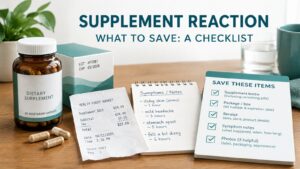
- Save packaging and receipts: If you experience an adverse reaction, having the product label and purchase information makes it easier to report and investigate.
When to stop the product and contact a clinician
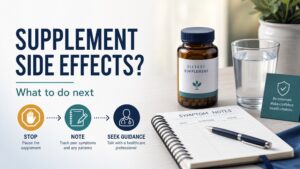
Stop taking any supplement immediately and seek medical attention if you have:
– Chest pain, severe headache, fainting, shortness of breath, or symptoms of a heart attack or stroke.
– Rapid or irregular heartbeat, severe dizziness, or loss of consciousness.
– Jaundice (yellowing of the skin or eyes), dark urine, severe abdominal pain, or other signs of liver injury.
– Severe allergic reaction (hives, swelling of face or throat, difficulty breathing).
Also contact your clinician if you have new or worsening symptoms after starting a supplement, or if you are unsure whether a supplement could interact with your prescriptions.
How to report suspicious or harmful products
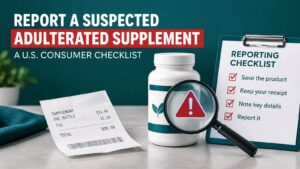
- Report adverse events or suspect products to the FDA. The FDA provides ways for consumers to contact them about human drugs and suspected product contamination. Keeping product labels, lot numbers, and photographs will help the agency investigate. (See References.)
- You can also search the FDA’s health fraud database and review medication health fraud notifications to see whether a product has been flagged. (See References.)
Limitations and realistic expectations
- Not all products with “detox” or “fat burner” on the label are adulterated or dangerous. Many legitimate supplements contain vitamins, minerals, or botanical ingredients sold as dietary supplements. Regulatory actions and public warnings usually target specific products or batches that tested positive for hidden drugs or contaminants.
- The absence of a public FDA warning does not guarantee safety. Likewise, a single FDA warning about a specific formulation does not mean every similarly named product is unsafe. Check the exact brand, lot number, and label details before assuming risk applies to other products.
Safety disclaimer
This article is educational and does not provide individualized medical advice. If you have specific health concerns or experience adverse effects after taking a supplement, consult a licensed healthcare provider promptly.
Safety disclaimer
This article provides general information and is not medical advice. It is not a substitute for professional medical evaluation. If you have health concerns, consult a licensed clinician.
References
- NIH ODS: Dietary Supplements for Weight Loss
- FDA: Avoiding Products Contaminated with Hidden Ingredients
- FDA: Health Fraud Product Database
- FDA: Questions and Answers on Dietary Supplements
- FTC: Health Products Compliance Guidance
Last reviewed: August 2026
VitaEvidence Editorial Team