
In this guide
This article summarizes practical, evidence-based nutrition steps that can help support health and daily function as people get older. It covers protein, fiber, staying hydrated, label-reading and meal planning tips, and food-safety practices tailored to older adults. This is a general overview, not individualized medical advice.
Protein: preserve strength and function
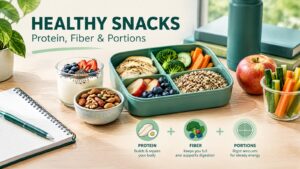
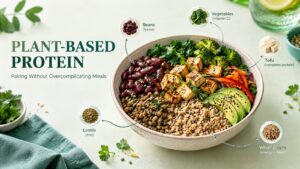
Protein helps keep muscle mass, bone health, and the ability to perform daily tasks. U.S. authorities provide a reference intake for protein and note it is an important nutrient across the lifespan (NIH Office of Dietary Supplements: Protein). Many older adults do well when they include a source of protein at each meal and snack rather than relying on a single large serving at one time.
Practical tips:
- Choose a variety of protein foods: lean meats, poultry, fish, eggs, dairy, legumes (beans, lentils), tofu and other soy products, and nuts and seeds.
- Include a protein-containing food with breakfast (for example, eggs or Greek yogurt) and with lunch and dinner to spread intake across the day.
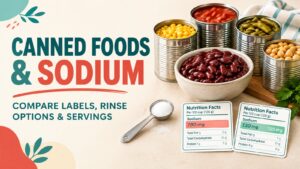
- Use the Nutrition Facts label to compare products—look at grams of protein per serving and consider how that fits into the whole meal (FDA: How to Understand and Use the Nutrition Facts Label).
Fiber: support digestion and regularity
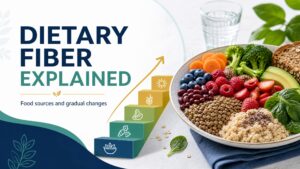
Dietary fiber from whole grains, fruits, vegetables, legumes, nuts and seeds helps support bowel regularity and can help with feelings of fullness. Fiber can also affect blood sugar and cholesterol levels.
Practical tips:
- Choose whole-grain versions of breads, cereals, rice and pasta when possible.
- Add beans or lentils to soups, salads and casseroles.
- Eat a variety of fruits and vegetables, aiming to include some with edible skins (apples, pears, carrots) or seeds when appropriate and tolerated.
- Increase fiber gradually and drink fluids as you increase fiber; abrupt increases can cause gas or bloating (NIH ODS: Fiber; NIDDK: Eating, Diet, & Nutrition for Constipation).
Fluids and caffeine: stay hydrated thoughtfully
Thirst signals can become less reliable with age, so it helps to sip fluids regularly during the day. Water, low-fat milk and other non-sugary beverages contribute to fluid needs. Drinks that contain caffeine can contribute to fluid intake but may affect sleep or interact with medications for some people; check with a clinician or pharmacist if you have questions (NIH ODS: Caffeine).
Practical tips:
- Keep a cup or bottle handy and have fluids with meals and snacks.
- If you limit liquids because of a medical condition (for example, certain heart or kidney conditions), follow your clinician’s instructions.
Food safety: reduce the risk of foodborne illness
Older adults are at higher risk of complications from foodborne illness. Follow basic safe-food-handling steps to reduce risk: keep raw and ready-to-eat foods separate, wash fresh produce, refrigerate per guidance, and reheat leftovers thoroughly. Use official resources for detailed instructions on storage and reheating (FDA: Safe Food Handling; USDA FSIS: Safe Food Handling and Preparation).
Other considerations:
- Read labels for allergy information and ingredient lists if you have food allergies (FDA: Food Allergies).
- If preparing food for others (caregivers, family), take extra care to avoid cross-contamination between raw meats and foods eaten without further cooking.
Label reading and simple planning
Use the Nutrition Facts label to make choices that fit your goals. Key items to scan include serving size, grams of protein and fiber, and the ingredient list to identify whole grains and sources of added sugars or sodium. The U.S. Nutrition Facts label page explains how to use these details (FDA Nutrition Facts).
Example day (simple pattern):
- Breakfast: Oatmeal made with milk, topped with chopped nuts and fruit (fiber + protein).
- Lunch: Mixed salad with chickpeas, grilled chicken or tofu, whole-grain roll.
- Snack: Yogurt or cottage cheese with berries.
- Dinner: Baked fish or lentil stew, steamed vegetables and a small portion of brown rice.
When to seek care
Contact a clinician or seek urgent care if you or someone you care for has any of the following after eating: high fever, repeated vomiting, bloody diarrhea, signs of dehydration (dizziness, very dry mouth, dark urine or inability to keep fluids down), sudden unexplained weight loss, or new difficulties swallowing or chewing. Also consult a health professional if you have chronic conditions (diabetes, kidney disease, heart disease) and are considering major diet changes or supplements.
Bottom line
For healthy aging, aim to include protein at each meal, increase dietary fiber gradually with plenty of fluids, and follow food-safety practices to lower the risk of foodborne illness. Read Nutrition Facts labels to compare products and build meals that include a variety of protein and fiber sources. For personalized advice or if you have complex medical issues, speak with a registered dietitian or clinician.
References
- National Institute on Aging: Healthy Eating, Nutrition, and Diet
- NIH Office of Dietary Supplements: Protein (Consumer)
- NIH Office of Dietary Supplements: Fiber (Consumer)
- FDA: Safe Food Handling
- FDA: How to Understand and Use the Nutrition Facts Label
- NIDDK: Eating, Diet, & Nutrition for Constipation