In this guide
“Immune-boosting” is a popular phrase on packaging and in headlines, but it’s important to separate marketing from what science and official guidance say. Good nutrition helps maintain normal immune function and reduces the risk of nutrient deficiencies that can impair immune-related processes. However, no single food or supplement can prevent illness. This article explains what nutrition can reasonably support, practical food choices and planning tips, safe handling, and when to seek care.
What nutrition can reasonably support
Overall dietary patterns that meet nutrient needs help the body maintain normal immune function. The U.S. Dietary Guidelines and MyPlate emphasize a variety of vegetables, fruits, whole grains, lean protein, low-fat dairy or fortified alternatives, legumes, nuts and seeds—patterns that provide vitamins, minerals, protein and fiber needed for healthy body systems.
The NIH Office of Dietary Supplements (ODS) explains that specific nutrients — including adequate protein and certain vitamins and minerals — are essential for immune system cells to function. Nutrients most commonly linked to supporting normal immune processes include vitamin C, vitamin D, several B vitamins, zinc, iron, selenium, and adequate protein. But the ODS also cautions that supplements aren’t a substitute for a varied diet and that high-dose supplements can cause harm.
Foods and practical examples
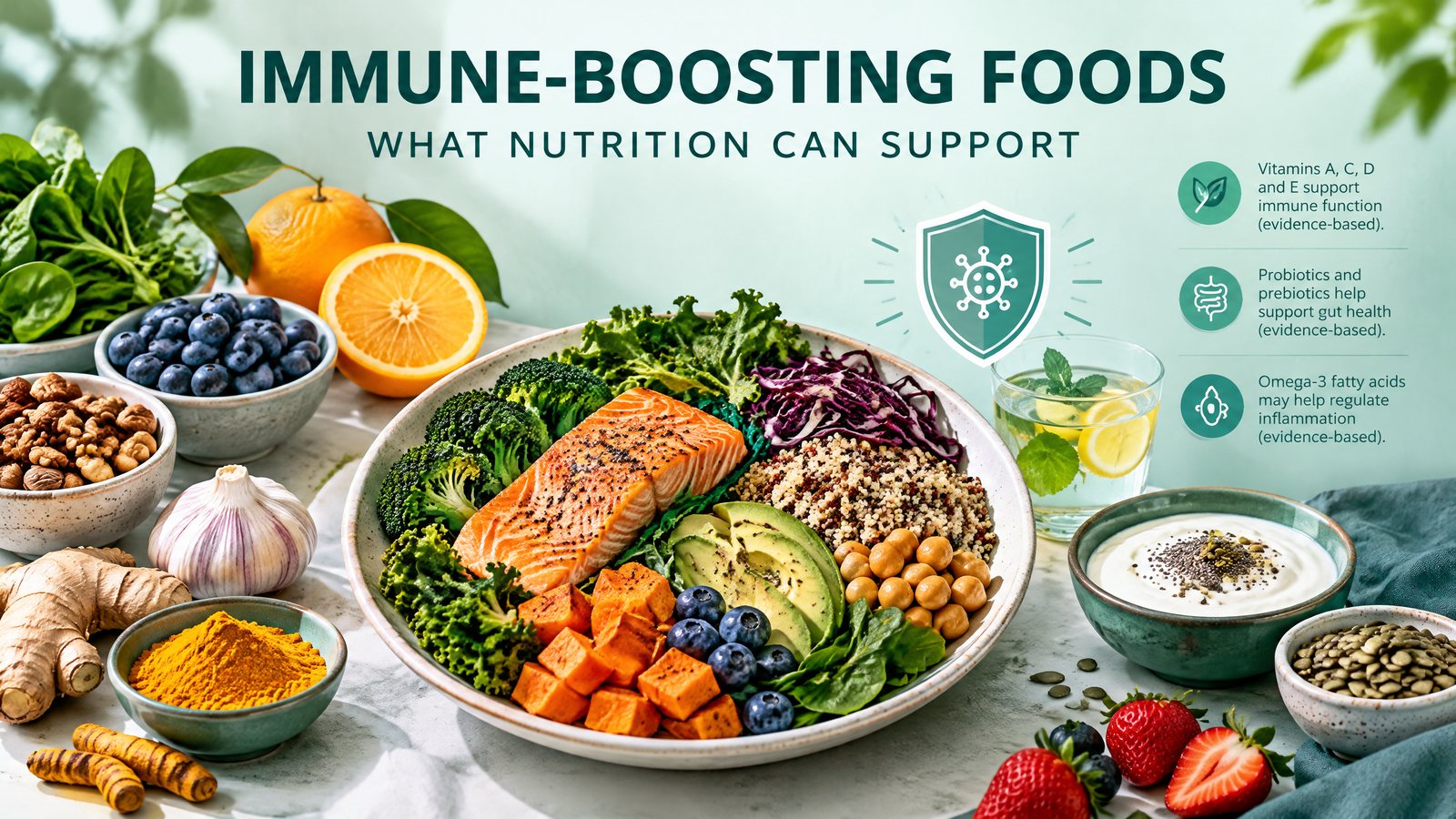
Rather than searching for a magic “immune” ingredient, aim for a nutrient-rich pattern. Examples of foods that help supply key nutrients:
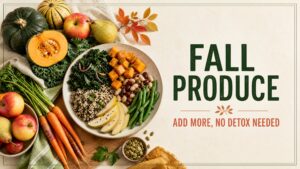
- Fruits and vegetables: citrus, berries, bell peppers, dark leafy greens and cruciferous vegetables—for vitamin C, fiber and phytochemicals.
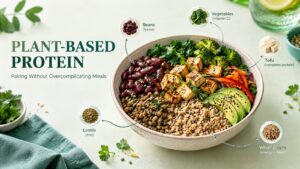
- Protein sources: lean meat, poultry, fish, eggs, dairy or fortified plant milks, beans, lentils and tofu—for amino acids needed to build immune cells and antibodies.
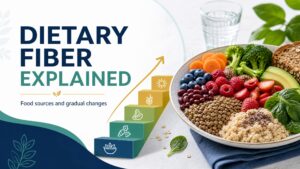
- Whole grains and legumes: source of B vitamins, fiber and minerals.
- Nuts, seeds and vegetable oils: provide vitamin E, healthy fats and trace minerals.
- Fortified foods: some dairy and plant milks, cereals and juices can help supply vitamin D and other micronutrients.
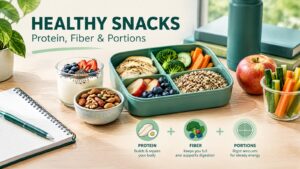
Meal ideas that follow these principles: a salmon salad with mixed greens and citrus, lentil soup with whole-grain bread, Greek yogurt with berries and chopped nuts, or a stir-fry with tofu, mixed vegetables and brown rice. Snacks such as hummus with raw vegetables or a piece of fruit with nut butter are ways to add nutrients between meals.
Label-reading and planning tips
- Use the Nutrition Facts label to compare products: check serving size, calories, and important nutrients such as protein, iron and vitamin D (when listed). The % Daily Value (%DV) can help you see whether a food is a good source of a nutrient.
- Pay attention to the ingredient list for fortified foods (look for added vitamin D, for example) and for common allergens if you have food allergies; FDA requires labeling of major food allergens.
- Follow dietary-pattern guidance rather than chasing single nutrients. The Dietary Guidelines and MyPlate recommend filling half your plate with vegetables and fruits and choosing a variety of protein foods across the week.
Supplements and special situations
Supplements can be helpful when a clinician identifies a deficiency (for example, vitamin D or iron) or when dietary intake is insufficient. However, routine supplementation specifically to “boost” immunity is not advised for everyone: the ODS notes evidence is mixed and high doses can be harmful. Speak with a healthcare provider before starting supplements, especially for older adults, people with chronic conditions, pregnant people, or those taking medications.
The National Institute on Aging highlights that older adults may have different needs due to changes in appetite, digestion and absorption. Nutrient-dense foods or fortified products can help meet needs without excess calories.
Safe food handling
Food safety is part of protecting health. Follow official safe-handling practices: wash hands and surfaces, avoid cross-contamination between raw and ready-to-eat foods, refrigerate perishables promptly, and cook and store foods according to official guidance. These practices reduce the chance of foodborne illness, which can compromise overall health.
When to seek care
- Signs of a severe allergic reaction (such as hives, swelling of the face or throat, difficulty breathing, or fainting) require immediate emergency care; people with known severe food allergies should follow their action plan and carry prescribed rescue medication.
- If you have prolonged fever, shortness of breath, persistent vomiting or diarrhea with signs of dehydration, high-risk status (for example, a weakened immune system), or worsening symptoms after a food-related illness, contact a healthcare provider promptly.
Bottom line
No single food or product can prevent infection. A varied, nutrient-rich eating pattern consistent with MyPlate and the Dietary Guidelines supports normal immune function and reduces the risk of nutrient deficiencies. Use Nutrition Facts and ingredient lists to choose nutrient-dense foods, practice safe food handling, and consult a clinician before starting supplements or if you have special health needs.