In this guide
- Key takeaways
- How before-and-after claims commonly mislead
- Red flags and what to do about them
- How to verify a before-and-after claim
- 1. Check the evidence behind the claim
- 2. Inspect the product label
- 3. Search regulator databases and notifications
- 4. Verify seller and sponsor transparency
- 5. Look for independent reviews and clinical evidence
- 6. Consider interactions and safety
- When to be especially cautious
- What to do if you suspect a misleading or dangerous product
- Limitations and realistic expectations
- When to contact your clinician
- Safety disclaimer
- Final note
- References
- Related VitaEvidence reading
Category: Consumer Protection and Product Verification
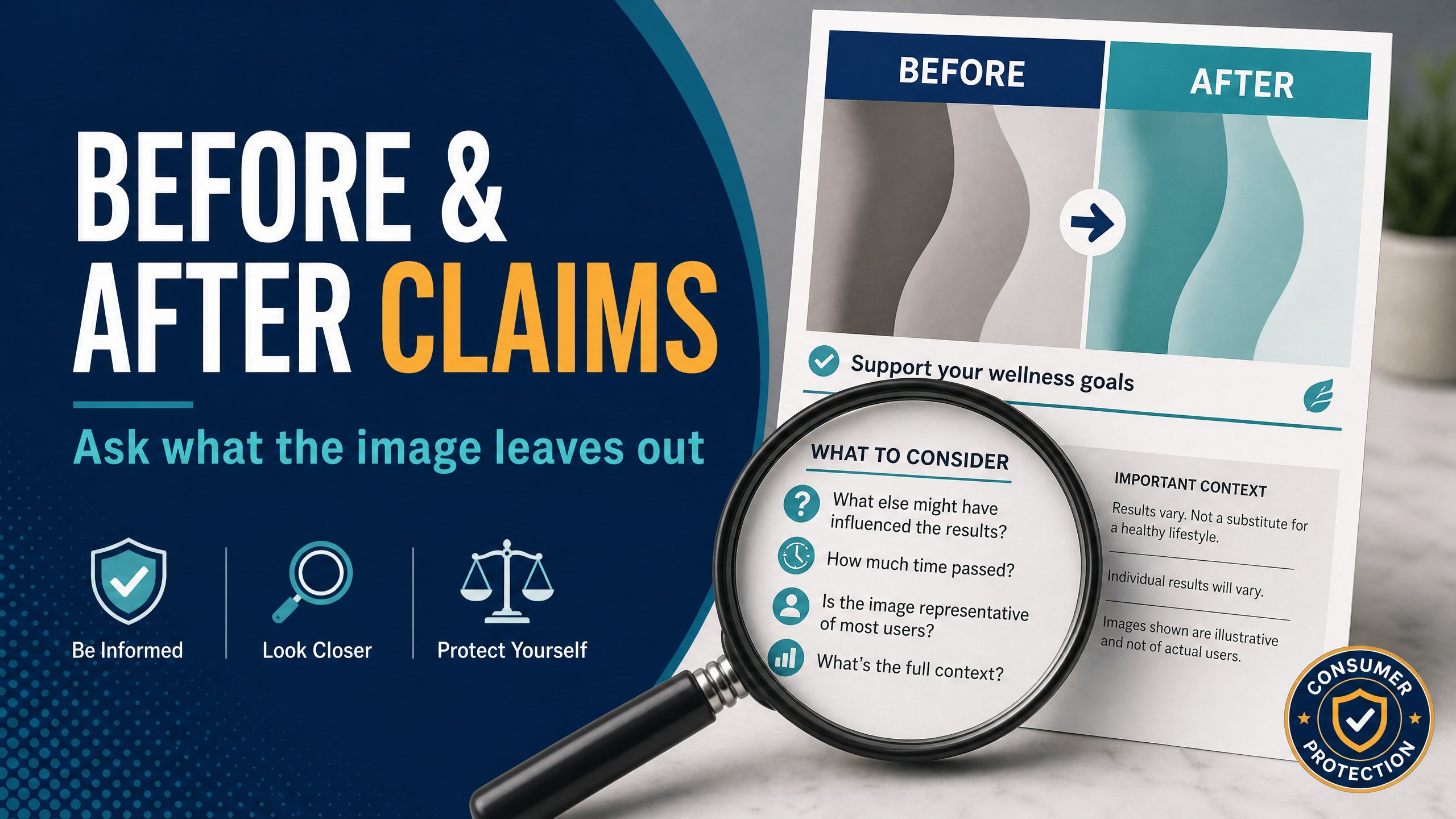
Before-and-after photos and short testimonial videos are ubiquitous in ads for supplements, weight-loss plans, skincare treatments, and “wellness” gadgets. They can be informative when used honestly, but they’re also a well-known tactic to create exaggerated impressions of benefit. This article explains common ways these claims can mislead, practical checks you can do, when to be especially cautious, and how to report suspicious products.
Key takeaways
- Before-and-after images and testimonials can be genuine yet still be incomplete, selectively presented, or affected by lighting, posture, clothing, timing, or image editing.
- Regulators (FDA, FTC) monitor deceptive health claims, and the FDA has found products that contain hidden active drug ingredients in some cases — but a finding about a specific product doesn’t mean all similar products are unsafe.
- Look for verifiable evidence (peer-reviewed studies, transparent labeling, consistent images) and check regulator databases before trusting dramatic claims.
- If you have health conditions or take medicines, consult a clinician before trying a product, and report suspected fraud or dangerous products to the FDA or FTC.
How before-and-after claims commonly mislead
- Image manipulation: Photos may be retouched or filtered, or shadows and contrast may be adjusted to exaggerate changes.
- Different conditions in the two photos: Before and after pictures are often taken with different lighting, camera angles, facial expressions, posture, clothing, or levels of makeup and hair styling that make the “after” look better even if the product did nothing.
- Timing and selection bias: Advertisements rarely show how long changes took or how many people were tested. Results shown may be from a few select users who had unusually positive outcomes.
- Hidden ingredients and unlabeled drugs: The FDA has found some products marketed for weight loss, sexual enhancement, or energy that contained undisclosed active drug ingredients. Examples have included certain honey-based products and other marketed supplements that were found to be “tainted” with active pharmaceuticals (see FDA guidance and notifications).
- Misleading language or small-print disclaimers: Phrases like “results not typical” may appear in hard-to-read text while the main images imply widespread success.
Red flags and what to do about them
| Red flag | What it might mean | What to do |
|---|---|---|
| Dramatic transformation in a very short time | Photos may be staged, edited, or reflect other changes (diet, makeup, lighting) | Be skeptical; look for published studies that match the advertised timeframe |
| No clear timeline or methods described | Results could be selective or not reproducible | Ask the seller for details; seek independent evidence |
| Before/after photos with different angles, lighting, or clothing | Visual differences may be due to photography, not product effect | Compare only images taken under known, identical conditions |
| Product labeled as “natural” but no ingredient list or incomplete labeling | Could contain undisclosed or harmful substances | Check the label and the FDA’s guidance on hidden ingredients; avoid products with incomplete labels |
| “Doctor-recommended” or celebrity endorsements without named studies | May be paid endorsements or misleading claims | Look for the study that supports the claim and check credentials |
| Small-print “results not typical” combined with large photos | Conflicting messages; likely cherry-picked results | Treat large photos as marketing unless backed by credible trials |
| Product has FDA warning letters, recalls, or is on a health-fraud list | May have shown safety or labeling issues for specific lots or products | Review the FDA’s notices before buying; a specific notification doesn’t apply to all similar products |
How to verify a before-and-after claim
1. Check the evidence behind the claim
- Ask whether the product’s benefits are supported by high-quality, peer-reviewed research. Marketing claims are not the same as independent studies.
- The Federal Trade Commission (FTC) requires advertisers to have reliable evidence for health claims; review the FTC guidance on health claims and compliance if you want to understand how claims should be substantiated (FTC links in References).
2. Inspect the product label
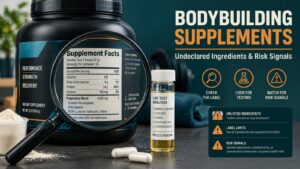
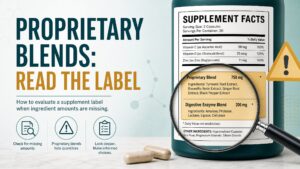
- For dietary supplements, examine the Supplement Facts and ingredient list carefully. The FDA provides guidance on supplement labeling you can use to spot missing or incomplete information. If a product lacks full labeling, that is a significant red flag. (See the FDA’s dietary supplement labeling guide and general pages on supplements.) For help reading labels, see our guide: /how-to-read-supplement-facts-label/.
3. Search regulator databases and notifications
- The FDA maintains a health-fraud product database and posts medication health fraud notifications and thematic lists (for example, sexual-enhancement and energy product notifications). If a product or brand appears in these FDA notices, it means regulators found issues with that specific product or batch — not that every product of that type is unsafe. Use these sources to check whether the product has already drawn regulatory attention.
- The FDA has also issued specific notices about certain honey-based products and other items found to contain hidden active drug ingredients; consult those pages if a honey-based or similar product is being marketed with drug-like claims.
4. Verify seller and sponsor transparency
- Legitimate companies typically provide contact information, clear return policies, and references to published research. Anonymous sellers, vague company information, or pressure tactics (limited-time offers, “act now” language) are concerning.
5. Look for independent reviews and clinical evidence
- Independent, well-controlled clinical trials provide stronger evidence than testimonials. Ask whether the claim comes from controlled studies and whether the reported results are typical.
6. Consider interactions and safety
- If you are taking prescription medicines or have chronic conditions, an unlabeled ingredient could be harmful. Review potential interactions and talk to your clinician: see /supplements-medication-interactions-questions/ for guidance on questions to raise.
When to be especially cautious
- You’re pregnant, breastfeeding, trying to conceive, or giving a product to a child. Many substances can be harmful in these situations.
- You have chronic health conditions (heart disease, diabetes, high blood pressure) or take prescription medicines. Undisclosed drug ingredients can interact with medicines or worsen conditions.
- The product claims fast cures or promises to replace prescribed medicines. Claims that a supplement or over-the-counter product will cure, treat, or prevent a medical condition should be treated with skepticism and checked against FDA/FTC guidance.
- The product is imported, sold only online, or packaged with little labeling. These factors increase the risk of mislabeling.
What to do if you suspect a misleading or dangerous product
- Stop using the product if you experience unexpected symptoms or adverse effects, and seek medical care if symptoms are concerning.
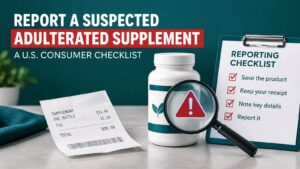
- Report the product to the FDA. The FDA provides ways for consumers to contact them about suspicious human drugs, dietary supplements, and other products. Use the FDA reporting page listed in References.
- Check the FDA’s Health Fraud Product Database and Medication Health Fraud notifications to see whether the product or similar items have been reported before.
- File a complaint with the FTC if you suspect deceptive advertising practices; the FTC provides guidance for consumers and businesses about health claims.
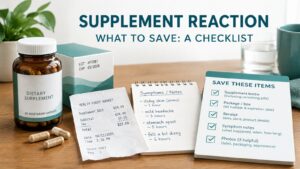
- Save packaging, receipts, photos, and a record of your communications with the seller — these can help regulators investigate.
Limitations and realistic expectations
- Regulators can and do act, but investigations take time. Not all misleading products are immediately removed, and a regulatory notice about one product, batch, or company doesn’t mean every product with a similar name or ingredient is affected.
- Absence of a regulator notice does not prove safety or effectiveness. Many products marketed with dramatic before-and-after claims have limited or no high-quality clinical evidence.
- Testimonials and photos are persuasive but not a substitute for replicated scientific evidence.
When to contact your clinician
- You experience any new or worsening symptoms after starting a product shown in before-and-after ads.
- You are considering stopping or replacing a prescribed medicine with an over-the-counter product.
- You take medicines that could interact with supplements (blood thinners, diabetes drugs, blood pressure medicines, antidepressants, etc.).
- You need help interpreting product labels or choosing safe alternatives. Your clinician can help assess risks in the context of your health.
Safety disclaimer
This article is educational and not medical advice. It does not diagnose conditions, recommend treatment, or guarantee safety or effectiveness of any product. Talk with a licensed clinician before making changes to your medications or trying products that claim to affect your health.
Final note
Before-and-after images and testimonials can be useful starting points, but they are marketing tools first. Apply the checks above, look for transparent labeling and independent evidence, and report suspicious or dangerous products to regulators. Being an informed, skeptical consumer helps protect you and others.
References
- FDA — Avoiding products contaminated with hidden ingredients: https://www.fda.gov/drugs/medication-health-fraud/avoiding-products-contaminated-hidden-ingredients
- FDA — Tainted honey-based products and hidden active drug ingredients: https://www.fda.gov/consumers/health-fraud-scams/tainted-honey-based-products-hidden-active-drug-ingredients
- FDA — Health Fraud Product Database: https://www.fda.gov/consumers/health-fraud-scams/health-fraud-product-database
- FDA — Dietary supplements: https://www.fda.gov/food/dietary-supplements
- FDA — Questions and answers about dietary supplements: https://www.fda.gov/food/information-consumers-using-dietary-supplements/questions-and-answers-dietary-supplements
- FDA — Dietary supplement labeling guide: https://www.fda.gov/food/dietary-supplements-guidance-documents-regulatory-information/dietary-supplement-labeling-guide
- FDA — Sexual enhancement and energy product notifications: https://www.fda.gov/drugs/medication-health-fraud-notifications/sexual-enhancement-and-energy-product-notifications
- FDA — Medication health fraud notifications: https://www.fda.gov/drugs/medication-health-fraud/medication-health-fraud-notifications
- FTC — Health claims: https://www.ftc.gov/news-events/topics/truth-advertising/health-claims
- FTC — Health products compliance guidance: https://www.ftc.gov/business-guidance/resources/health-products-compliance-guidance
- FDA — Ways consumers contact FDA about human drugs: https://www.fda.gov/about-fda/cder-contact-information/ways-consumers-contact-fda-about-human-drugs
Last reviewed: August 2026
VitaEvidence Editorial Team