
In this guide
This article explains practical approaches to eating before exercise, how portion size and food composition can affect comfort and performance, and how to adjust for individual tolerance. The guidance distinguishes established nutrition principles and official food-safety and labeling advice from areas where individual experience matters or evidence is limited.
Key principles
- What you eat before activity influences hunger, energy availability and digestive comfort.
- Carbohydrate is the most readily used fuel for many kinds of exercise; protein helps with recovery and satiety; fiber and fat slow digestion and may increase the chance of stomach upset if consumed very close to activity.
- Individual tolerance varies: people differ in how much and what they can eat before exercise without symptoms such as bloating, cramping or reflux.
Timing and portion-size considerations
There is no single timing or portion-size rule that fits everyone. Reasonable, practical options include:
- Plan your meal or snack relative to how you typically feel. If you often feel heavy or sluggish after larger meals, choose a smaller portion or allow more time to digest before exercise.
- Shortly before activity some people prefer a small, carbohydrate-focused snack to top off energy; others do better with a more substantial meal eaten earlier.
- Adjust portion size to the workout: longer or more intense sessions usually call for more energy (carbohydrate) beforehand than a short, low-intensity session.
These are practical principles rather than prescriptive rules. Official U.S. nutrition guidance emphasizes balanced eating patterns and choosing nutrient-dense foods rather than endorsing a specific pre-exercise timing plan; individual experimentation within those principles is appropriate.
What to include (and what to limit)
- Focus on carbohydrate-rich choices for quick availability of energy (e.g., fruit, toast, yogurt). The Dietary Guidelines and MyPlate resources recommend including foods from the main food groups as part of overall healthy eating patterns.
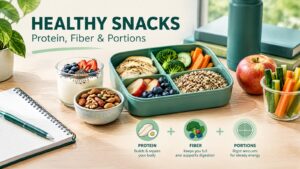
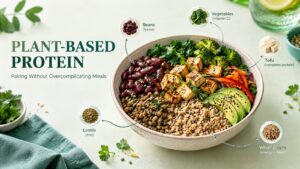
- Add moderate protein to support satiety and recovery (e.g., Greek yogurt, nut butter, lean turkey). The Office of Dietary Supplements describes protein’s role in muscle and tissue maintenance.
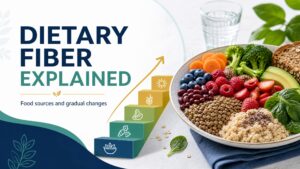
- Be mindful of fiber- and fat-rich foods if you plan to eat shortly before activity—these slow digestion and may increase the risk of gas or cramping for some people. The ODS fiber fact sheet explains fiber’s effects on digestion and comfort.
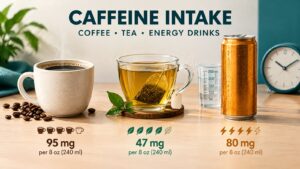
- Use caffeine cautiously. Some people use a small amount of caffeine to improve alertness during workouts, but sensitivity varies. The ODS caffeine factsheet describes individual differences and recommended limits.
Practical examples
- Short snack (for people who exercise soon after eating): a banana or slice of toast with a thin spread of nut butter; plain yogurt with a small amount of fruit.
- Larger pre-exercise meal (for people who have more time to digest): whole-grain toast with eggs and fruit, or oatmeal with milk and berries—balanced across carbohydrate and protein.
- If you have known food allergies, choose alternatives that meet your nutritional needs without exposure; follow FDA guidance on food allergies when reading labels and selecting packaged foods.
Label-reading and planning tips
- Use the Nutrition Facts label to compare carbohydrate, protein, fiber and added sugar content among snack options—this helps select a choice that provides energy without excess fiber or fat if you’re eating shortly before activity.
- For packaged items, read the ingredient list for common allergens and for sources of concentrated fats or sugars that could affect comfort or energy.
- Plan meals and snacks as part of an overall healthy eating pattern recommended by MyPlate and the Dietary Guidelines, rather than relying on single “performance” foods or supplements.
Food safety and serving tips
Handle and store pre-exercise foods safely: follow guidance from the FDA, USDA Food Safety and Inspection Service, and CDC on safe food handling, storage and reheating. For perishable snacks (e.g., yogurt, cooked eggs), keep them chilled until you are ready to eat and do not leave them at room temperature for extended periods. For information on safe storage and temperatures, consult the official food-safety resources listed below.
Individual tolerance and special situations
Pay attention to personal patterns: keep a brief log noting what you ate, how long before exercise, and any symptoms. That can help you identify what works best. People with digestive conditions (constipation, reflux, IBS) or older adults may need different strategies; the NIA and NIDDK resources offer general information about eating and digestion with age or medical conditions.
When to seek care
- Seek immediate medical attention for signs of a severe allergic reaction after eating (hives, swelling, throat tightness, difficulty breathing).
- Contact your health care provider if you have persistent or severe gastrointestinal symptoms (severe abdominal pain, vomiting, persistent diarrhea or lightheadedness) associated with eating or exercise.
- If you have chronic medical conditions (diabetes, severe heart disease, recent surgery), ask your clinician or a registered dietitian for individualized guidance on meal timing and composition before exercise.
Bottom line
Eating before exercise should balance energy needs with digestive comfort. Focus on carbohydrate-rich choices with some protein, limit high-fiber and high-fat foods immediately before activity if they cause symptoms, and adjust timing and portion size based on your own tolerance. Use Nutrition Facts labels and official food-safety guidance when choosing and preparing pre-exercise foods. If you have allergies, chronic health conditions, or severe symptoms, seek professional advice.