In this guide
Eating mostly plant-based proteins can meet your needs without elaborate recipes or strict mixing rules. Current nutrition guidance emphasizes variety, nutrient-dense choices, and meeting overall daily protein targets rather than combining specific plant foods at every meal. This article explains simple pairing approaches, quick meal examples, label-reading tips, and basic safety and digestion considerations to make plant-first eating practical.
What’s important: variety and overall intake
Proteins from plants—beans, lentils, whole grains, nuts, seeds, soy products, and some vegetables—can all contribute to daily protein needs. Official nutrition guidance focuses on eating a variety of foods across the day and choosing nutrient-dense options rather than enforcing strict food-combining rules at each meal. Aim to include plant-protein foods regularly across meals and snacks to reach your personal protein target.
Simple pairing principles that keep meals easy
- Think Across the Day, Not Each Plate: You don’t have to combine complementary proteins (for example, beans and rice) at the same sitting if your overall day includes diverse protein sources.
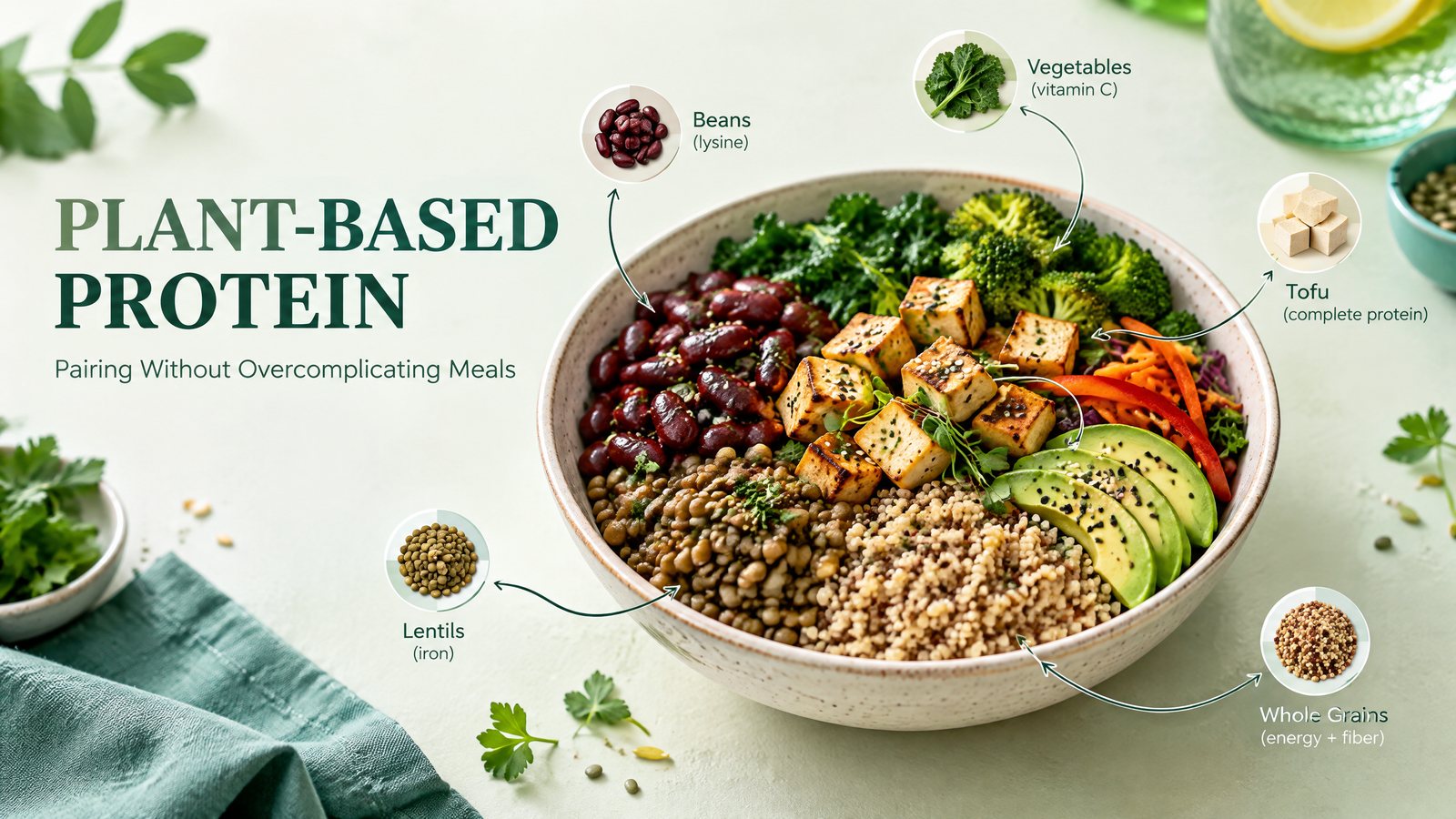
- Pair One Plant Protein with a Grain or Veg: When convenient, combine a legume, tofu, tempeh, or nut/seed spread with a whole grain or vegetable for a more balanced amino acid profile and extra fiber.
- Focus on Nutrient Density: Choose whole foods (beans, lentils, edamame, tofu, tempeh, quinoa, nuts, seeds) over highly processed meat alternatives most of the time.
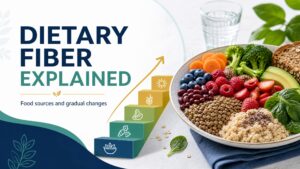
- Watch Fiber Transitions: If you’re increasing beans, lentils, and whole grains, add them gradually and drink water to reduce gas or constipation as your gut adapts.
Practical, low-effort pairings
- Cooked lentils over brown rice with a side of sautéed greens.
- Hummus with whole-grain pita and raw veggies.
- Peanut or almond butter sandwich on whole-grain bread with banana slices.
- Tofu or tempeh stir-fry with quinoa and mixed vegetables.
- Greek yogurt or cottage cheese (if you include dairy) with nuts and fruit for a snack.
How to read labels and plan portions
Use the Nutrition Facts label to compare products. Look at serving size first—many packaged foods contain more than one serving per container. Check grams of protein per serving and also note fiber, saturated fat, added sugars, and sodium so your choice supports overall nutrition goals.
- If you rely on packaged plant-based meats, compare protein per serving to whole-food options and choose lower-sodium varieties when possible.
- For convenience items (canned beans, tofu), rinse canned beans to reduce sodium and check the ingredient list for added oils, sugars, or sodium.
Sample day that keeps it simple
- Breakfast: Oatmeal made with milk or fortified plant milk, topped with peanut butter and chopped nuts.
- Lunch: Lentil and vegetable soup with a slice of whole-grain bread.
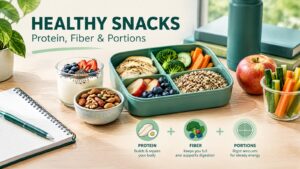
- Snack: Greek yogurt or soy yogurt with berries, or apple with almond butter.
- Dinner: Black beans with brown rice, salsa, avocado, and a side salad.
These examples show how mixing plant proteins across meals gives variety and helps meet total daily protein without complex rules.
Digestion, fiber, and adapting foods
Plant foods bring fiber, which is healthful but can cause gas or changes in bowel habits if you increase intake quickly. Increase fiber gradually over a few weeks and keep fluids up to help your digestive system adapt. If you have chronic digestive conditions, check with your health professional for personalized guidance.
Food safety and allergies
Handle, store, and cook plant-based and prepared foods safely—follow package instructions and refrigerate per the label. If you have food allergies (for example to peanuts, tree nuts, soy, or wheat), read labels carefully and avoid cross-contact. People with severe allergies should carry emergency medications as prescribed and follow their clinician’s guidance.
When to seek care
- Immediate medical attention for signs of a severe allergic reaction (difficulty breathing, swelling of face or throat, sudden dizziness).
- Talk to your primary care provider or a registered dietitian if you have unintended weight loss, persistent fatigue, or concerns about meeting protein needs—especially if you are older, pregnant, breastfeeding, or recovering from illness or surgery.
- See a clinician if you have severe, persistent digestive symptoms (severe constipation, persistent abdominal pain, or unexplained changes in bowel habits).
Note: This article provides general information and is not individualized medical or dietetic advice. For personalized recommendations, consult a licensed professional.
Bottom line
Meeting protein needs with plant foods is practical and doesn’t require complicated combining at every meal. Aim for a variety of legumes, whole grains, nuts, seeds, and soy foods across the day, read labels to choose nutrient-dense options, increase fiber gradually, and follow safe handling and allergy guidance when applicable.