In this guide
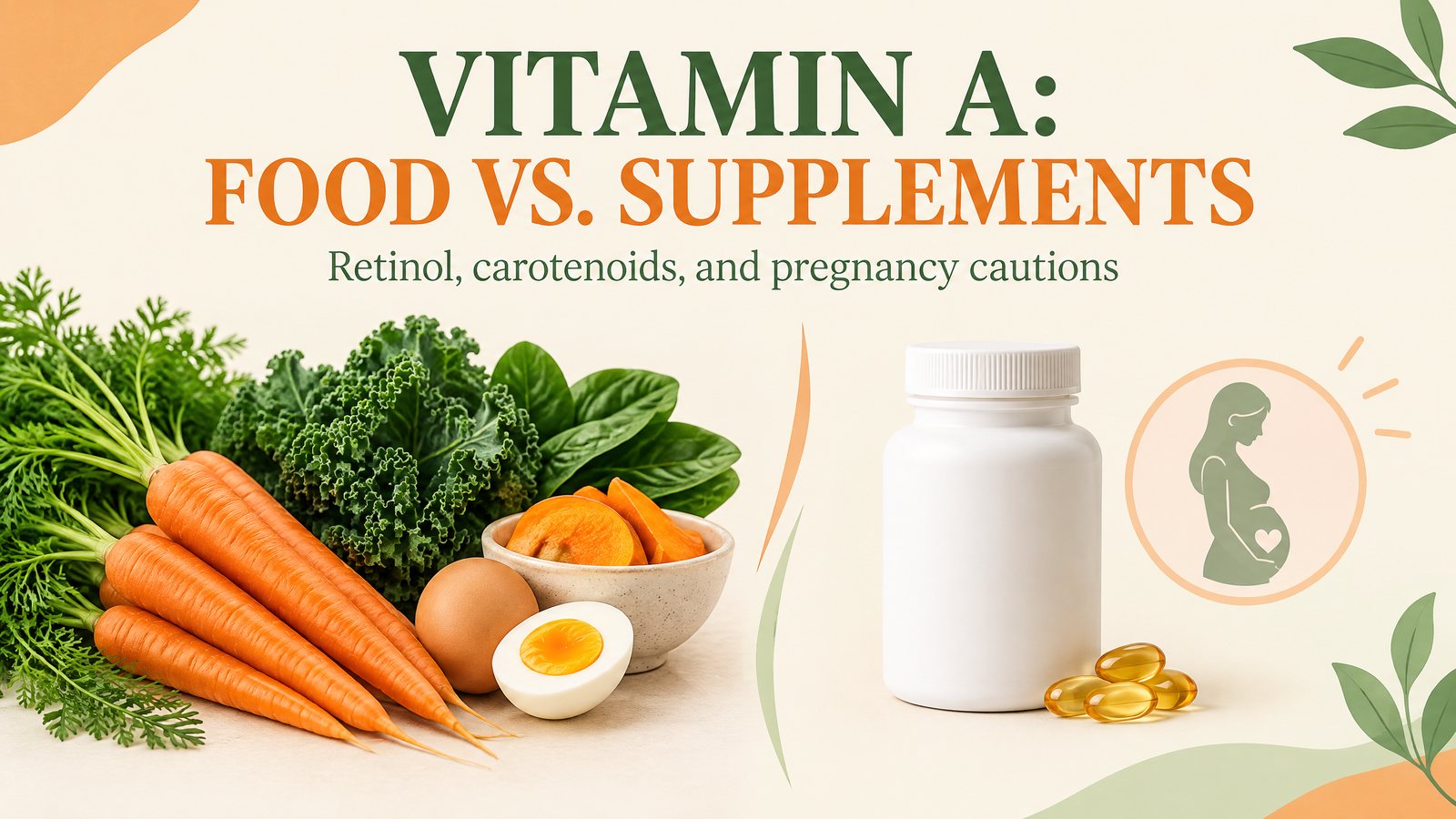
This article explains the difference between preformed vitamin A (retinol) and provitamin A carotenoids (for example, beta‑carotene), why vitamin A from food is usually preferred, and what to watch for if you use supplements—especially during pregnancy.
Retinol vs. carotenoids: what’s the difference?
Vitamin A is a group of related compounds. “Preformed” vitamin A (retinol and retinyl esters) is found mainly in animal foods and in many vitamin A supplements. Carotenoids (such as beta‑carotene) are pigments in plant foods that the body can convert to active vitamin A when needed.
Major differences that affect safety and use:
- Conversion and control: The body regulates conversion of carotenoids from plant foods so they are less likely to cause excess vitamin A than preformed retinol.
- Toxicity risk: High intakes of preformed vitamin A from supplements or very large amounts of animal‑source foods can cause adverse effects; carotenoids from food generally do not cause vitamin A toxicity.
- Supplement variability: Some supplements provide retinol (preformed) while others supply carotenoids; the two are labeled differently and have different safety profiles.
Why food sources are usually preferable
Getting vitamin A from a balanced diet that includes both colorful fruits and vegetables (carotenoids) and moderate amounts of animal foods (preformed vitamin A) helps reduce the risk of consuming too much preformed vitamin A while providing other nutrients. Federal guidance notes nutrient recommendations and Daily Values for labeling, and emphasizes that nutrients in foods come with additional nutritional benefits that supplements may not provide.
Pregnancy cautions
Pregnancy is a key time to be cautious about vitamin A supplements. Health authorities identify that excessive intakes of preformed vitamin A during pregnancy have been linked with an increased risk of birth defects. For this reason, pregnant people and those who may become pregnant should avoid high‑dose vitamin A supplements containing preformed retinol unless advised and monitored by a clinician.
Most prenatal multivitamins are formulated with pregnancy‑appropriate amounts and forms of vitamin A. Discuss any supplements you take with your prenatal care provider before starting or stopping them.
Label‑reading: how to tell what kind of vitamin A is in a product
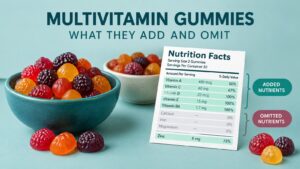
- Check the ingredient list for specific names. Words to look for that indicate preformed vitamin A include “retinol,” “retinyl palmitate,” or “retinyl acetate.”
- Look for “beta‑carotene” or other carotenoid names (lutein, zeaxanthin) to identify provitamin A forms.
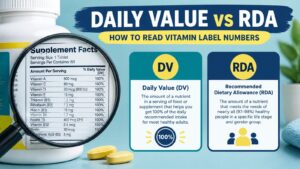
- Use the % Daily Value (%DV) on the Supplement Facts panel to see how a product’s amount compares to the label reference value. If you are pregnant or have medical conditions, show the label to your clinician for advice.
- Remember that dietary supplements are not approved by FDA for safety and effectiveness before they are marketed; check for third‑party testing seals if you want independent verification of contents.
Interactions and contraindications
- If you are taking prescription retinoid medicines (for example, some acne drugs), avoid additional preformed vitamin A supplements unless your clinician says they are safe. Retinoid drugs themselves are associated with birth defect risk if used in pregnancy.
- People with certain liver conditions should discuss vitamin A use with their clinician, because the liver stores vitamin A and liver disease can affect vitamin A handling.
- Tell your clinician about all supplements and medications you take so potential interactions can be reviewed in your individual context.
When to seek care
- Call your clinician or urgent care if you are pregnant (or planning pregnancy) and you have taken high‑dose vitamin A supplements without medical advice.
- Seek medical attention if you have symptoms that could indicate vitamin A excess—such as persistent nausea, severe headache, vision changes, unusual fatigue, or skin changes—or if you have signs of liver trouble.
- If you are unsure whether a supplement contains preformed vitamin A, bring the product bottle to your clinician or pharmacist for evaluation.
Bottom line
Vitamin A from a varied diet that includes plant carotenoids and appropriate amounts of animal foods usually meets needs and carries less risk of excess than high‑dose preformed vitamin A supplements. Pregnant people should avoid high‑dose preformed vitamin A supplements unless advised by their clinician; use of pregnancy‑appropriate prenatal vitamins is recommended and decisions about additional supplements should be made with clinical guidance. Because dietary supplements are not reviewed by FDA before marketing, check labels carefully and discuss supplements with your health care provider.
Note: This is general information for editorial review and not individualized medical advice. For personal recommendations, consult your health care provider.