In this guide
“Adaptogen” is a popular term used by supplement makers for products marketed to help the body handle stress. However, the term is not a regulated medical designation, and evidence for multi-ingredient adaptogen blends is mixed and often incomplete. This article helps you read labels, weigh claims against the evidence, and identify safety issues to discuss with your clinician.
What the evidence and regulation say
Dietary supplements are regulated differently than prescription drugs. The U.S. Food and Drug Administration (FDA) does not approve dietary supplements for safety or effectiveness before they are sold. Manufacturers are responsible for ensuring safety and truthful labeling, and the FDA can take action if products are unsafe or misbranded.
Scientific evidence for individual botanicals and nutrients varies. Some single ingredients have been studied in clinical trials, but results are often small, short-term, or inconsistent. Evidence for multi-ingredient blends is harder to interpret because studies may not test the specific combination on the label, and ingredient interactions are often not well studied.
In short: product marketing can overstate benefit. Look for evidence for the specific ingredients and reliable label information rather than relying on the word “adaptogen.”
Established evidence vs. preliminary findings vs. marketing
- Established evidence: For most herbal ingredients marketed as adaptogens, high-quality, consistent clinical evidence showing clear benefit is limited. Where stronger evidence exists, it usually applies to single-ingredient preparations studied under controlled conditions.
- Preliminary findings: Early or small trials may suggest potential benefits for stress-related outcomes for some herbs or nutrients, but these findings need confirmation in larger, well-controlled studies and for specific populations.
- Marketing claims: Terms like “adaptogen,” “stress support,” or “restore balance” are marketing language, not FDA-verified medical claims. Statements that a product cures, treats, or prevents disease would make it a drug under FDA rules and are not permitted for dietary supplements.
How to read the label — practical steps
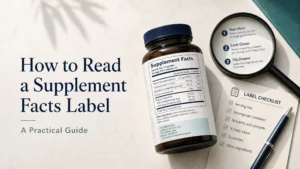
- Find the Supplement Facts panel. Confirm serving size and the amount of each active ingredient per serving.
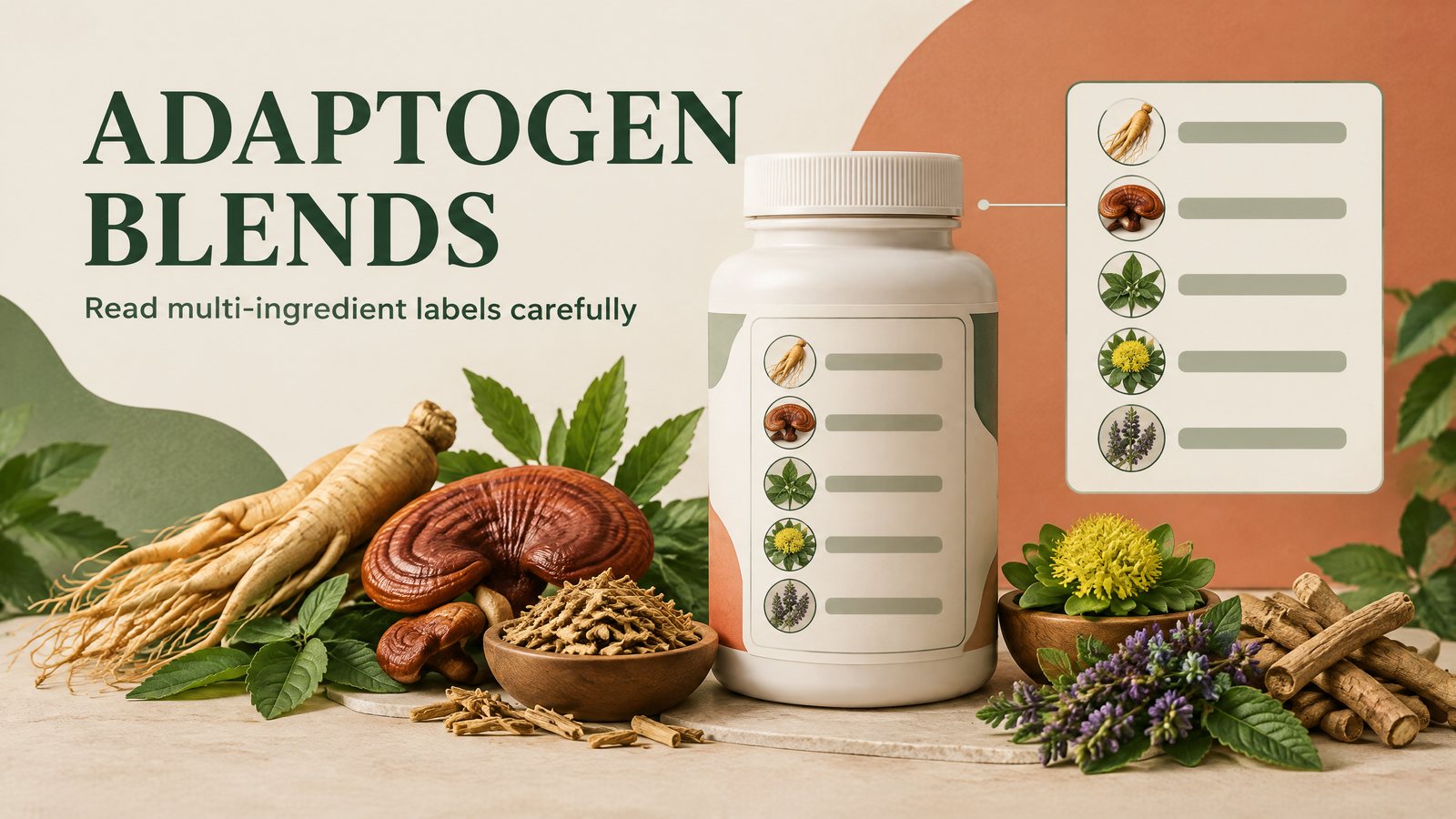
- Watch for “proprietary blends.” These lists ingredients but may not show the amount of each component. That makes it impossible to compare doses or judge whether an ingredient is present at levels used in research.
- Check the full ingredient list. Look for other herbs, nutrients, or excipients that could cause allergies or interact with medicines.
- Manufacturer contact information. A responsible company will list a phone number, address, and lot or expiration information so you can report problems or ask questions.
- Third-party testing claims. Seals from independent labs (for example, organizations that test for purity or contaminants) can be useful, but they are not the same as FDA approval. Verify the certifier’s name and check what they test for.
- Use label databases. The NIH Dietary Supplement Label Database (DSLD) lets you look up labels for marketed products, and the Dietary Supplement Ingredient Database (DSID) provides analyses of actual content variability across products. These tools can help you see how labels compare to measured ingredient levels.
Interactions, contraindications, and safety considerations
Herbal ingredients can interact with prescription medicines, affect pregnancy and breastfeeding, or be unsafe for people with certain medical conditions. Because adaptogen blends include multiple components, the potential for interactions or unexpected effects is higher and harder to predict.
- If you are pregnant, breastfeeding, trying to conceive, or giving supplements to a child, talk with a clinician before use.
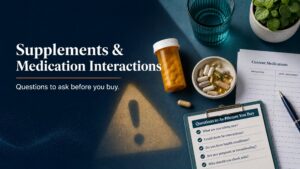
- If you take prescription medicines (for example, for blood pressure, diabetes, blood thinning, or psychiatric conditions), ask a clinician or pharmacist about interactions before starting any supplement.
- People with chronic health conditions should check with their health care team before adding a multi-ingredient supplement.
- Stop the product and seek medical care if you experience severe side effects such as difficulty breathing, chest pain, severe rash, yellowing of the skin or eyes, or sudden worsening of symptoms.
Practical buying checklist
- Prefer products that list ingredient amounts rather than only proprietary blends.
- Verify manufacturer contact details and lot/expiration dates.
- Look for independent testing and check what the testing covers.
- Search the NIH label and ingredient databases to compare labels and known variability.
- Discuss any planned use with your clinician, especially if you take other medicines or have chronic conditions.
When to seek care
Seek emergency care for signs of a serious allergic reaction (trouble breathing, swelling of the face or throat), chest pain, fainting, seizures, or any sudden, severe symptoms. Contact your health care provider promptly for new or worsening symptoms after starting a supplement, and report adverse events to the manufacturer and to the FDA’s MedWatch program.
Choosing to try an adaptogen blend is a personal decision that should be informed by realistic expectations, careful label reading, and discussion with a clinician when you have health conditions or take medicines. Public databases and independent testing information can help you evaluate products, but they do not replace professional medical advice.
References
- NIH Office of Dietary Supplements — What You Need To Know About Dietary Supplements (consumer page)
- FDA — Dietary Supplements
- FDA — It Really Isn’t FDA-Approved
- NIH Dietary Supplement Label Database (DSLD)
- Dietary Supplement Ingredient Database (DSID)
- NCCIH — Herbs at a Glance
Bottom line
Adaptogen blends often combine several herbs and nutrients with marketing claims about stress resilience. This guide explains what is known, what isn’t, how to read labels, and safety steps before you try one.