In this guide
Coenzyme Q10 (CoQ10) is a substance many people see in supplement aisles and online stores. Interest typically comes from people hoping to support heart health, reduce muscle symptoms related to statin medicines, or improve general energy. This article explains who commonly asks about CoQ10, what authoritative sources say about the current evidence and safety, and what to check on a supplement label before you buy or use one.
Who asks about CoQ10 and why
Questions about CoQ10 most often come from three groups:
- People with heart conditions or those concerned about cardiovascular health who want to know whether CoQ10 helps with symptoms or outcomes.
- People taking statins who have muscle aches and wonder if CoQ10 might help.
- Consumers attracted by marketing claims about “energy,” antioxidant effects, or general aging support.
Those groups commonly ask clinicians or pharmacists whether CoQ10 is effective, safe to combine with their medicines, and worth the cost. Official government resources emphasize careful evaluation because supplement labeling and claims are not reviewed like prescription drugs.
What the evidence and official guidance say
Authoritative agencies stress that evidence for dietary supplements varies by ingredient and condition. For CoQ10 specifically, research includes a mix of small clinical trials and preliminary studies; results vary by the condition studied and the quality of the research. Because conclusions depend on the particular health question, many official sources recommend talking with a clinician before starting a supplement and looking for reliable, up-to-date reviews.
Key points from official sources:
- Federal consumer guidance explains that dietary supplements are regulated differently from prescription drugs: manufacturers are responsible for safety and labeling, and the FDA does not approve supplements for effectiveness before they reach the market.
- National institutes that review complementary and integrative health topics note that scientific evidence for many supplements is mixed or limited and that more high-quality research is often needed.
- Databases run by federal agencies provide label copies and analytical data for some supplements and can help consumers compare what a product claims versus what analyses have found.
The bottom line: interest in CoQ10 is common, but evidence strength varies by intended use. Official resources recommend discussing supplements with your health care team and using federal databases and fact sheets to learn about ingredients and research status.
Marketing claims vs. research
Supplement makers may advertise benefits that sound medical. Official consumer guidance reminds buyers to separate marketing from evidence. Claims about preventing, treating, or curing a disease are red flags for unverified marketing. Because the FDA does not approve supplements for treating disease, any product that appears to claim such effects should prompt caution and verification from trusted information sources.
What to check on a label
Before buying a CoQ10 product, use these practical checks based on federal consumer and database resources:
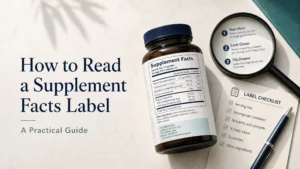
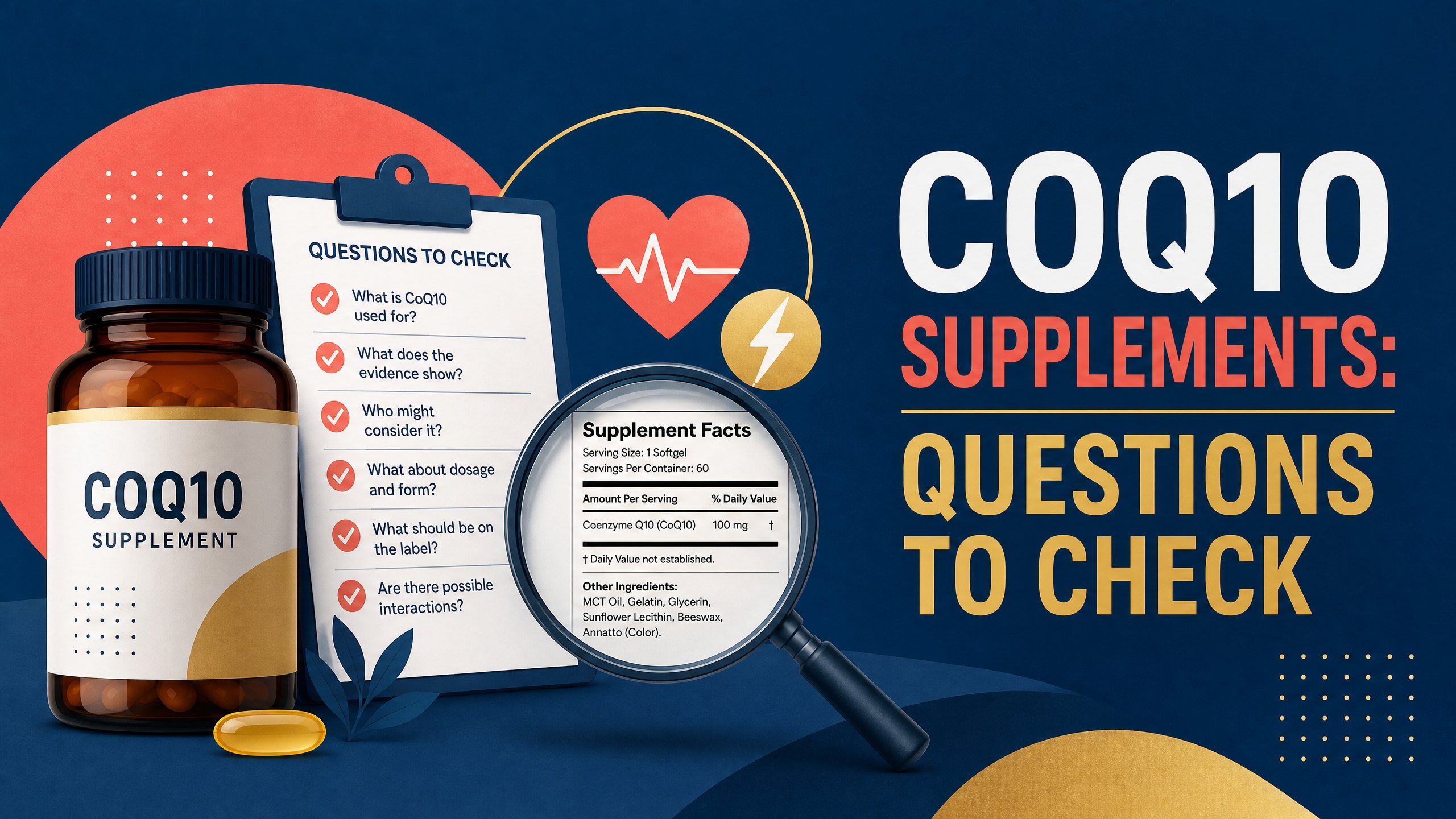
- Look for a complete “Supplement Facts” panel showing the ingredient name and amount per serving, serving size, and other listed ingredients.
- Note the manufacturer or distributor name and a contact (phone or website). Legitimate companies provide a way to reach them.
- Check lot number and expiration or best-by date when available.
- Compare the label to entries in the Dietary Supplement Label Database (DSLD) to confirm label claims and see ingredient lists for similar products.
- Use the Dietary Supplement Ingredient Database (DSID) when available to see if laboratory analyses exist for the ingredient in certain product types. DSID and DSLD are federal resources that can help you verify product information.
- Avoid products that make explicit disease-treatment claims; consult a clinician instead.
Interactions, contraindications, and safety considerations
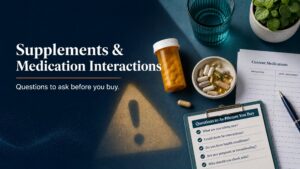
Federal health agencies advise caution when combining supplements with prescription medicines. Supplements can interact with medications or affect medical tests. Official guidance recommends telling your clinician and pharmacist about any supplements you take.
Because individuals differ in health status and medication use, check with a clinician before starting CoQ10 if you:
- Are on prescription medicines (especially blood-thinning agents, medicines for blood pressure, or other chronic-condition drugs).
- Have chronic health conditions or are pregnant or breastfeeding.
- Are planning a medical or surgical procedure.
These are general safety precautions drawn from federal consumer guidance about supplements. For specifics about known interactions or contraindications, consult your clinician and trusted federal fact sheets or databases.
When to seek care
Stop a supplement and seek immediate medical attention if you experience signs of an allergic reaction (hives, swelling, difficulty breathing), severe gastrointestinal symptoms, or other sudden, unexplained problems after starting a product. Contact your clinician before starting a new supplement if you are taking prescription medicines, have an unstable medical condition, or are pregnant or breastfeeding.
How to use federal resources
Official sites useful for learning more:
- The Office of Dietary Supplements (ODS) provides fact sheets and an index of evidence summaries that help place supplements in context.
- The Dietary Supplement Label Database (DSLD) lets you view product labels collected from manufacturers.
- The Dietary Supplement Ingredient Database (DSID) contains laboratory analyses for some ingredients and product types.
- The FDA explains how dietary supplements are regulated and what consumer protections — and limitations — exist.
These resources can help you make a more informed choice and prepare specific questions to bring to your health care provider.
Bottom line
CoQ10 is a commonly asked-about supplement. Interest spans heart-related concerns, muscle symptoms, and general energy, but authoritative sources emphasize that evidence quality varies and more research is often needed. Use federal databases to check labels and analyses, avoid products with disease-treatment claims, and discuss supplements with your clinician — especially if you take prescription medicines or have chronic conditions.
When in doubt, consult a clinician or pharmacist and use federal fact sheets and databases as trusted references.