In this guide
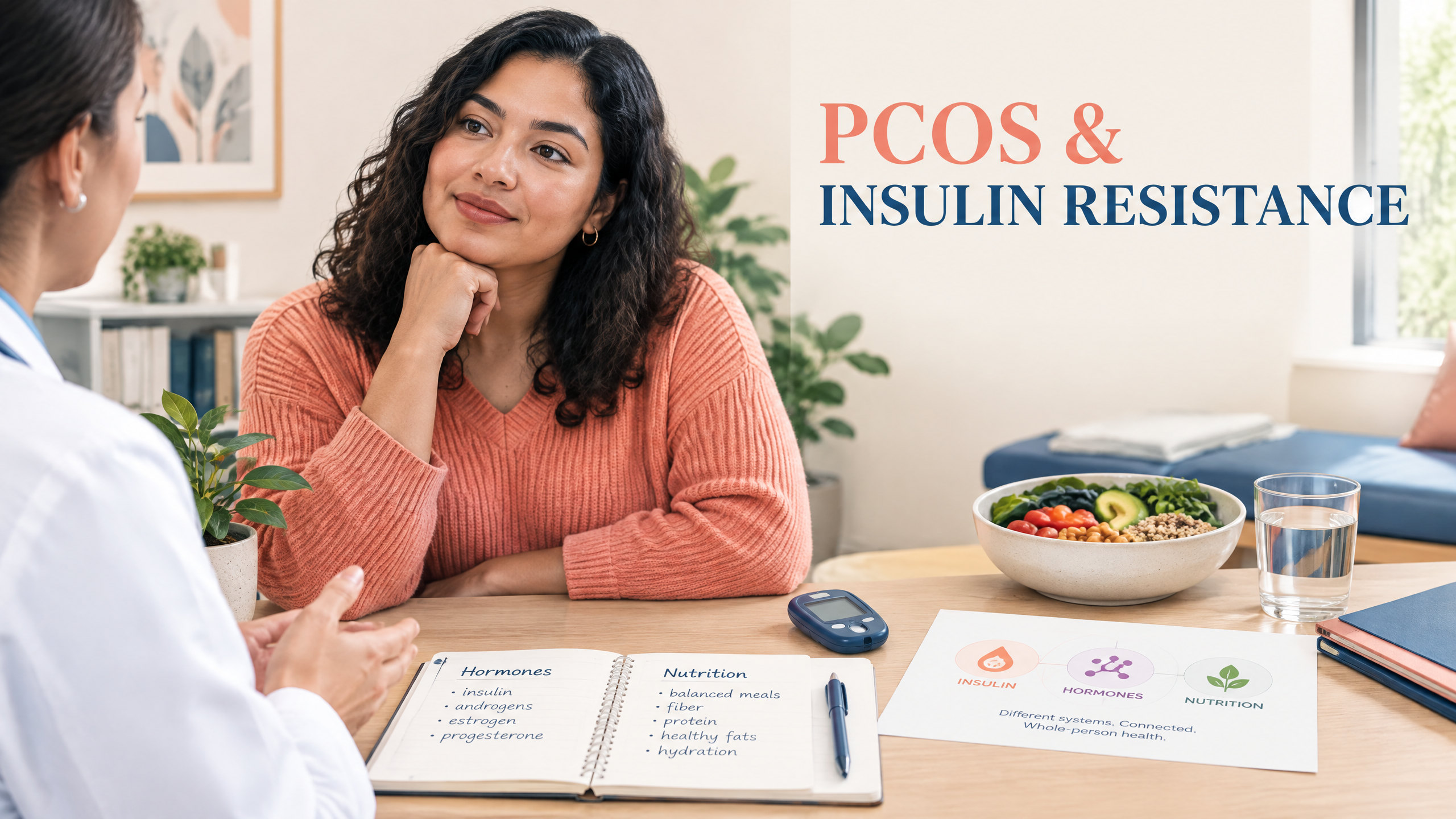
Polycystic ovary syndrome (PCOS) is a common hormonal condition that affects menstrual cycles, fertility, and other aspects of health. Many people with PCOS also have differences in how their bodies handle insulin. Understanding what each term means and what is supported by reliable guidance can help you make informed choices about lifestyle, clinical care, and any supplements you might be considering.
What is PCOS?
PCOS is an umbrella term for a pattern of symptoms that may include irregular or absent menstrual periods, signs of higher androgen levels (for example, excess facial or body hair), and ovaries that appear polycystic on ultrasound. Not everyone with PCOS has the same features or the same health risks; diagnosis and management are individualized.
PCOS is a common hormonal disorder that can affect menstrual regularity, fertility, and metabolic health.
What does insulin resistance mean?
Insulin is a hormone that helps the body move glucose (sugar) from the bloodstream into cells for energy. Insulin resistance refers to a state in which cells respond less effectively to insulin. To compensate, the body may make more insulin. Higher insulin levels can affect other hormones and metabolic processes.
In people with PCOS, insulin resistance is common but not universal. When present, it can contribute to higher androgen levels and make symptoms — such as irregular menstruation or difficulty with weight — more likely to occur or harder to manage. Because PCOS and metabolic health intersect in different ways for different people, evaluation and follow-up with a clinician help guide individualized care.
Common practical approaches supported in guidance
Clinical and public health resources emphasize symptom management and overall health rather than one-size-fits-all cures. Approaches commonly recommended include:
- Lifestyle measures: A balanced pattern of eating, regular physical activity, and weight management when appropriate are often suggested to improve menstrual regularity and metabolic health. Guidance on healthy eating can be applied to long‑term habits rather than quick fixes.
- Medical evaluation: A health professional can help confirm a PCOS diagnosis, assess for related conditions, and discuss treatment goals (for example, managing menstrual symptoms, improving fertility, or reducing metabolic risk).
- Targeted medical treatments: Depending on symptoms and goals, clinicians may recommend hormonal therapies, fertility treatments, or medications to address metabolic issues. These are prescribed case-by-case.
Because PCOS has both reproductive and metabolic aspects, coordinated care that considers menstrual health and overall cardiometabolic risk is important.
What about supplements for insulin resistance or PCOS?
It is common to see supplements marketed for PCOS or insulin resistance. However, it is important to be cautious:
- Regulation: In the U.S., dietary supplements are regulated differently from prescription drugs. Manufacturers do not need FDA approval before marketing supplements, and product quality and labeling can vary.
- Evidence: Some nutrients have recognized roles in general health — for example, vitamin D supports bone health and omega‑3 fatty acids are associated with certain aspects of cardiovascular health — but that does not mean they are proven cures for PCOS or insulin resistance. High‑quality, condition‑specific evidence is often limited or mixed.
- Safety and interactions: Supplements can interact with medicines or have unwanted effects at high amounts. For people who are pregnant, planning pregnancy, or taking medications, certain nutrients (such as folate) have clear clinical roles, while others should be used only under clinician advice.
Because research is ongoing and product quality varies, most guidance recommends discussing any supplement with a clinician before starting it, rather than relying on marketing claims.
How to approach supplements responsibly
- Talk with your clinician about why you are considering a supplement and whether it’s appropriate for your situation.
- Use reputable sources to learn about potential benefits, known risks, and interactions with prescriptions or conditions.
- Consider product quality: look for manufacturers that follow good manufacturing practices and provide third‑party testing information, when available.
- Monitor symptoms and laboratory measures that your clinician recommends; stop the product and seek care if you have adverse effects.
When to seek care
Make an appointment with a health professional if you have:
- Irregular, very infrequent, or absent menstrual periods.
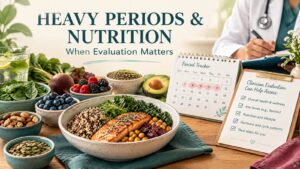
- Heavy or prolonged bleeding.
- New or worsening symptoms such as excess hair growth, severe acne, or troubling changes in weight.
- Difficulty getting pregnant and you want to conceive.
- Concerns about metabolic health (for example, elevated cholesterol or blood sugar) or questions about starting any supplement.
If you are already using a supplement and notice side effects, or if you begin new prescription medications, tell your clinician so they can review for possible interactions.
Bottom line
PCOS and insulin resistance are related but distinct concepts. Lifestyle measures and individualized medical care are central to managing PCOS. While some people try supplements, these are not a guaranteed fix, and their quality and effects vary. Discuss any supplement with your clinician, and rely on trusted clinical guidance for diagnosis and management.
References
- Polycystic ovary syndrome (PCOS) — Office on Women’s Health (womenshealth.gov)
- Healthy eating and women — Office on Women’s Health (womenshealth.gov)
- Dietary supplements — U.S. Food and Drug Administration (FDA)
- Vitamin D — Office of Dietary Supplements (NIH)
- Omega-3 fatty acids — Office of Dietary Supplements (NIH)