In this guide
- Key takeaways
- Why hidden ingredients happen
- Types of hidden ingredients the FDA has identified
- What labeling often does — and does not — tell you
- Regulatory and advertising oversight
- A practical checklist for safer supplement use
- Where to look for authoritative information
- When to worry and when to call a clinician
- Limitations of consumer checks and testing
- What to do if you suspect a product is unsafe or fraudulent
- Practical buying tips
- Safety disclaimer
- Safety disclaimer
- References
- Related VitaEvidence reading
Category: Consumer Protection and Product Verification
Key takeaways
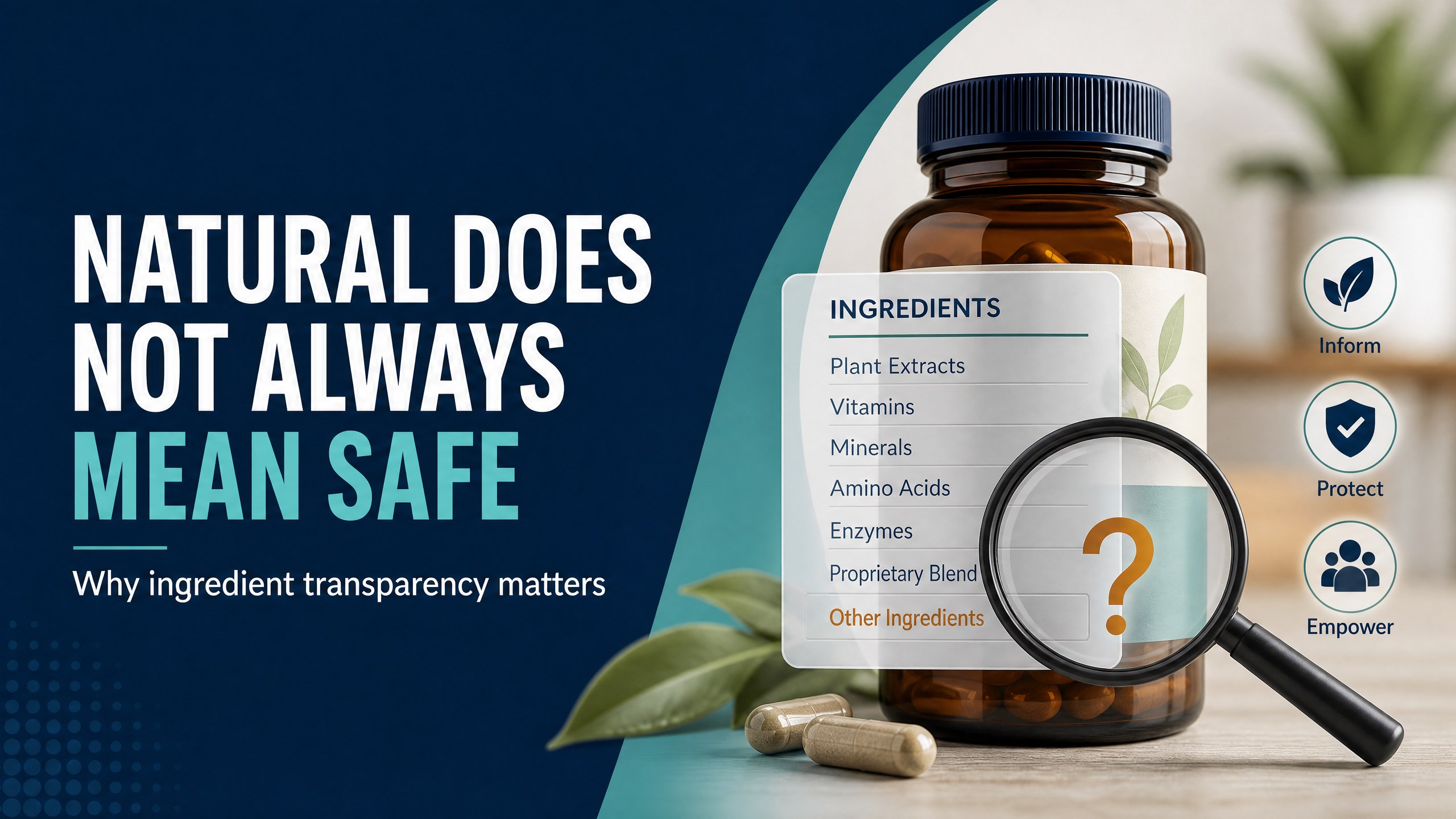
- “Natural” or “herbal” labeling does not guarantee a supplement is free from hidden pharmaceutical ingredients or contaminants.
- The FDA regulates dietary supplements differently than prescription drugs; manufacturers are responsible for product safety and truthful labeling, and the FDA acts mainly after products are on the market.
- The agency has repeatedly found undeclared active drug ingredients in products marketed for sexual enhancement, weight loss, energy, and other uses — and has removed some products from sale.
- To reduce risk: read labels carefully, be skeptical of extraordinary claims, check FDA alerts and the Health Fraud Product Database, look for transparent manufacturers and third‑party testing information, and tell your clinician about any supplements you take.
- Contact a clinician or the FDA if you experience unexpected side effects, suspect contamination, or find a product that makes suspicious claims.
Why hidden ingredients happen
Dietary supplements are widely used and legally sold without pre-approval by the U.S. Food and Drug Administration (FDA). Under current U.S. rules, manufacturers are responsible for ensuring their products are safe and honestly labeled, and for submitting certain notifications in some cases — but the FDA typically evaluates supplements after they reach the market. That regulatory framework creates opportunities for products that are mislabeled, contaminated, or intentionally spiked with undeclared pharmaceutical ingredients to be sold to consumers. The FDA warns consumers to “avoid products contaminated with hidden ingredients” and provides guidance on this risk. (See the FDA guidance on products contaminated with hidden ingredients.)
Types of hidden ingredients the FDA has identified
The FDA’s inspections and testing have repeatedly found dietary supplements that contained undeclared, pharmacologically active substances. The agency has posted specific health fraud notifications and maintains a Health Fraud Product Database listing products identified as unsafe or mislabeled. Examples include products marketed for sexual enhancement, weight loss, energy, and other health claims that tested positive for prescription‑only drugs or other active pharmaceutical ingredients the labels did not list. The agency has also issued specific warnings about honey‑based products marketed for health uses that contained hidden active drug ingredients. (See the relevant FDA health-fraud notifications and product-specific notices.)
What labeling often does — and does not — tell you
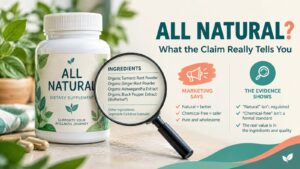
- “Natural,” “herbal,” or “organic”: These terms do not guarantee absence of pharmaceutical drugs or contaminants. They also do not imply FDA approval.
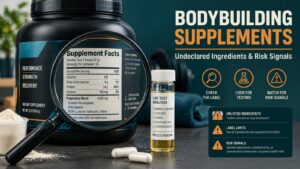
- Supplement Facts panel: Required on most products, it lists ingredients and serving size; however, if a product is intentionally adulterated, the concealed ingredient will not appear.
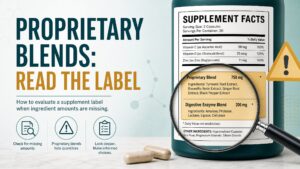
- “Proprietary blend”: This can be legally used to withhold exact amounts of individual ingredients; it can make it difficult to evaluate safety and dosing.
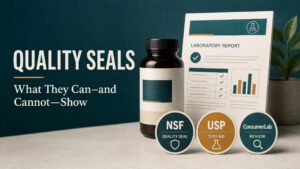
- Third‑party seals: Independent testing organizations exist, but seals vary in scope and do not equal FDA approval. Look for clear information about what was tested (identity, purity, potency, contaminants).
Regulatory and advertising oversight
- The FDA’s role: The agency inspects, tests, issues warnings, detains or removes dangerous products, and publishes notifications about tainted or fraudulent products after investigating complaints or sampling. (See FDA dietary supplements page and medication health fraud notifications.)
- Advertising claims: The Federal Trade Commission (FTC) enforces truth‑in‑advertising rules and requires that health benefit claims be supported by competent and reliable scientific evidence. Suspect marketing claims (unrealistic “miracle” results, cured conditions, or celebrity endorsements without evidence) are red flags. (See FTC pages on health claims and health products compliance guidance.)
A practical checklist for safer supplement use
Below is a quick table to help evaluate supplements before you buy or use them.
| Question to ask | Why it matters | Where to check |
|---|---|---|
| Does the product promise rapid, dramatic results? | Extraordinary claims are common in fraudulent products | Product label and advertising |
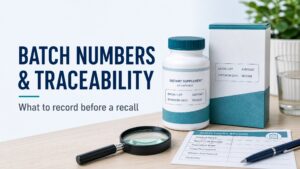
| Is the manufacturer transparent (address, contact info, lot numbers)? | Transparency helps with reporting and recalls | Product label, company website |
| Is there a clear Supplement Facts panel and full ingredient list? | Undeclared ingredients won’t appear, but a complete label is a minimum expectation | Product label |
| Is the product listed in FDA warnings or the Health Fraud Product Database? | FDA posts known tainted or fraudulent products | FDA Health Fraud Product Database and notification pages |
| Is there evidence of independent third‑party testing, and what was tested? | Third‑party testing can increase confidence — but tests vary | Manufacturer site; certification body documentation |
| Could this interact with my medications or medical conditions? | Hidden drugs or active botanicals can cause dangerous interactions | Discuss with clinician; see resources on drug–supplement interactions |
Where to look for authoritative information
- FDA health fraud notifications (sexual enhancement, energy products, other medication fraud): FDA posts specific product warnings and what was found during testing.
- FDA Health Fraud Product Database: searchable list of products the FDA has identified as potentially dangerous, misbranded, or adulterated.
- FDA guidance on dietary supplements: general regulatory information and labeling requirements.
- FTC guidance on health product advertising: standards for truthful claims.
When to worry and when to call a clinician
Contact a health care provider or seek urgent care if you experience:
– New or severe symptoms after taking a supplement (chest pain, severe headache, fainting, sudden breathing problems, seizures, severe allergic reactions).
– Signs of liver injury (jaundice, dark urine, abdominal pain), which have been associated with some supplements.
– Unexpected bleeding or bruising if you’re on blood thinners.
– Low or high blood sugar symptoms if you have diabetes.
– Any unusual heart palpitations, fast or slow heart rate, or blood pressure changes.
Also tell your clinician about all supplements and herbal products you use before medical procedures, surgical anesthesia, or when starting new prescription medications — because even unlabeled ingredients can interact with other drugs.
Limitations of consumer checks and testing
- No label guarantee: A readable, complete label is necessary but not sufficient to prove safety or purity.
- Third‑party testing varies: Some organizations test only identity, others check contaminants or potency. A seal doesn’t mean the product is free of all risks.
- FDA action is often post‑market: The agency can remove products and issue alerts, but detection depends on sampling, complaints, and investigations. Not every unsafe or adulterated product is currently identified.
What to do if you suspect a product is unsafe or fraudulent
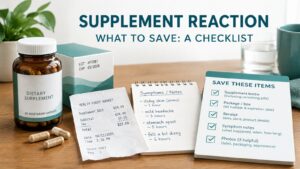
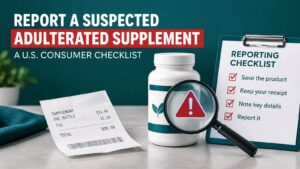
- Stop using the product and keep the packaging and bottle.
- Report the product to the FDA using the agency’s contact pathways for suspicious human drugs and supplements. The FDA lists ways consumers can contact the agency about human drugs and other products. (See FDA contact information for consumers.)
- You can also report false or misleading advertising to the FTC.
- If you experience adverse effects, seek medical care and report the adverse event to the FDA’s MedWatch program through your clinician or directly.
Practical buying tips
- Be cautious of exaggerated claims (e.g., “quickly cures,” “secret ingredient,” “miracle pill”).
- Prefer products from manufacturers that list contact information, lot numbers, and clear testing policies.
- Ask your health care provider whether a supplement is appropriate for you and whether any ingredients can interact with your medications or conditions. See our resources on supplement interactions and label reading for more details (links with further guidance on our site).
- Keep a list or photo of all supplements you take and bring it to health visits.
Safety disclaimer
This article provides general information for educational purposes and does not replace individualized medical advice. If you have health concerns or questions about supplement safety, speak with a qualified health care professional.
Safety disclaimer
This article provides general information and is not medical advice. It is not a substitute for professional medical evaluation. If you have health concerns, consult a licensed clinician.
References
- https://www.fda.gov/drugs/medication-health-fraud/avoiding-products-contaminated-hidden-ingredients
- https://www.fda.gov/consumers/health-fraud-scams/tainted-honey-based-products-hidden-active-drug-ingredients
- https://www.fda.gov/consumers/health-fraud-scams/health-fraud-product-database
- https://www.fda.gov/food/dietary-supplements
- https://www.fda.gov/food/information-consumers-using-dietary-supplements/questions-and-answers-dietary-supplements
- https://www.fda.gov/food/dietary-supplements-guidance-documents-regulatory-information/dietary-supplement-labeling-guide
- https://www.fda.gov/drugs/medication-health-fraud-notifications/sexual-enhancement-and-energy-product-notifications
- https://www.fda.gov/drugs/medication-health-fraud/medication-health-fraud-notifications
- https://www.ftc.gov/news-events/topics/truth-advertising/health-claims
- https://www.ftc.gov/business-guidance/resources/health-products-compliance-guidance
- https://www.fda.gov/about-fda/cder-contact-information/ways-consumers-contact-fda-about-human-drugs
Last reviewed: August 2026
VitaEvidence Editorial Team