In this guide
Glutamine is an amino acid that appears in foods and supplements. Products marketed as glutamine supplements are promoted for uses such as supporting gut health and aiding recovery after exercise. Before deciding whether to try a glutamine product, it helps to understand what federal health agencies and evidence summaries actually say about benefits, safety, and product labeling.
What the official evidence and guidance say
There is no single, authoritative U.S. government fact sheet that endorses glutamine for specific health or performance benefits in the general population. The Office of Dietary Supplements (ODS) and other federal resources emphasize that evidence for many dietary supplements is limited, variable, or context-dependent (for example, differing by health condition or type of athlete). The ODS exercise and athletic performance guidance points out that dietary supplements marketed for exercise often have mixed or insufficient evidence to support broad claims.
Regulatory context matters: in the United States, dietary supplements are regulated under a different framework than prescription drugs. The U.S. Food and Drug Administration (FDA) does not approve dietary supplements for safety and effectiveness before they are marketed. Labels, claims, and product composition vary across manufacturers, and independent third‑party testing may help verify what a product contains.
Bottom line: marketing claims for glutamine related to gut healing or improved athletic performance are not the same as proven, government‑endorsed treatments. Official sources recommend cautious interpretation of supplement claims and consultation with a health professional.
What we can say about uses commonly promoted
Because official resource lists and general guidance from ODS and FDA focus on the overall quality of evidence for supplements rather than endorsing specific products, the prudent summary is:
- Gut health: Some products are marketed to support intestinal lining health or reduce gastrointestinal symptoms, but official resources stress that evidence for dietary supplements is often incomplete. Consider proven interventions and discuss symptoms with a clinician rather than relying on supplements alone.
- Exercise and recovery: ODS materials on exercise and athletic performance note that many supplements claim to boost recovery or performance. Evidence often varies by supplement and by the athlete population; official guidance encourages evidence-based approaches to training, nutrition, and hydration first.
When strong, high‑quality evidence exists for any supplement, it is typically summarized in dedicated fact sheets. If you do not find a clear, evidence‑based ODS or NIH statement supporting a specific health claim for glutamine, assume that claim lacks firm government endorsement.
Practical label‑reading tips
Because the FDA does not review supplements for effectiveness before sale, read labels carefully and use reputable databases when evaluating a product:
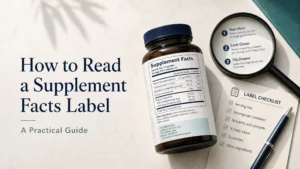
- Check the ingredient list and serving size — amino acids like glutamine may be listed by name; there is no required “% Daily Value” for many amino acids.
- Look for the manufacturer’s contact information, lot number, and expiration date.
- Search the product in the Dietary Supplement Label Database (DSLD) to compare ingredient lists across brands and confirm label claims.
- Use the Dietary Supplement Ingredient Database (DSID) to learn more about reported ingredient amounts in tested products when available.
- Prefer products with independent third‑party testing seals (for example, USP, NSF) and evaluate those organizations’ standards separately.
Links to government tools that list and describe products and ingredients can help you check labels and claims.
Interactions, precautions, and who should be careful
Official sources advise extra caution with any dietary supplement if you:
- Have chronic medical conditions (for example, kidney or liver disease) or are taking prescription medications.
- Are pregnant, breastfeeding, or trying to conceive.
- Are a child or an older adult with multiple health issues.
Supplements can interact with medications or change how some health conditions are managed. Because the FDA does not preapprove supplements for safety or interactions, discuss any supplement use with your clinician or pharmacist so they can evaluate potential interactions or contraindications for you personally.
When to seek care
- If you develop new or worsening gastrointestinal symptoms after starting a supplement (severe abdominal pain, persistent vomiting, bloody diarrhea), seek medical attention.
- If you experience allergic reactions (hives, swelling, difficulty breathing), call emergency services.
- Before starting a supplement when you have a chronic disease, are pregnant or breastfeeding, or are taking prescription medicines, consult your clinician to discuss risks and alternatives.
Supplements are not substitutes for medical evaluation or prescribed treatments. Use them only after discussing goals and safety with a health professional.
How to weigh marketing claims
Manufacturers may cite small studies, laboratory research, or preliminary findings to market products. Official federal sources recommend skepticism of broad claims and encourage reliance on high‑quality human clinical research and professional guidance. If you cannot find a clear, authoritative government or professional endorsement for a health claim, treat marketing claims cautiously.
Next steps
If you are considering a glutamine supplement for gut issues or exercise recovery: talk with your clinician, check the product in the DSLD and DSID, prefer third‑party tested products if you choose to proceed, and monitor for side effects. Focus first on proven strategies for gut health (diagnosis and treatment of underlying causes) and for exercise (evidence‑based training, nutrition, and rest).
References
- Office of Dietary Supplements — What You Need to Know (consumer guide)
- Office of Dietary Supplements — Exercise and Athletic Performance
- U.S. Food and Drug Administration — Dietary Supplements
- FDA — Dietary Supplement Products & Ingredients
- Dietary Supplement Label Database (DSLD)
- Dietary Supplement Ingredient Database (DSID)